desk
desk Share
Share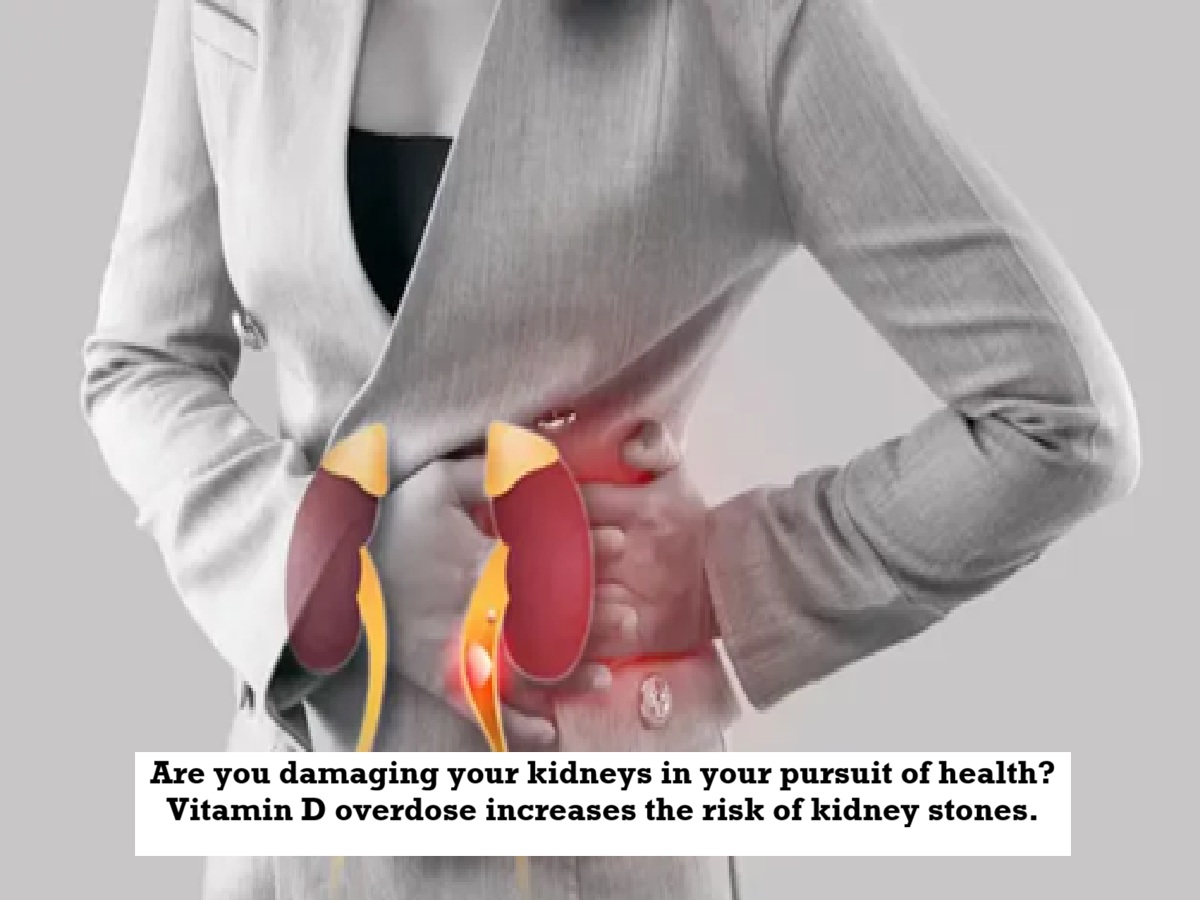
News Topical, Digital Desk : The risk of chronic diseases is increasing worldwide. Kidneys are one of the organs most affected by lifestyle and dietary imbalances. Kidney-related diseases were once considered a problem of aging. However, cases of kidney disease are now increasing among younger people, even children. Kidney stones have emerged as a serious condition.
Poor eating habits can lead to kidney stones
If the kidneys malfunction due to some disease, toxins can accumulate. People with poor eating habits are at higher risk for kidney stones. When substances like calcium oxalate and uric acid are not properly filtered and excreted from the body due to a kidney problem, their tiny crystals combine to form stones. These stones can cause extreme pain and discomfort.
Drinking less water thickens the urine, which increases the risk of stone formation. Obesity and dietary irregularities like eating junk food, excess salt and sugar, lack of fiber also increase the risk of stone formation . Many reports have been alerting that the risk of Vitamin D and calcium deficiency is increasing among Indians. This has a direct impact on the bones. To make up for the deficiency of these nutrients, people keep taking supplements for a long time or without medical advice. Sometimes this mistake can prove to be very costly for you.
Danger of excess calcium and vitamin D
Health experts say that consuming calcium and vitamin D together in high amounts and for a long time can increase the risk of kidney stones. This is because high levels of vitamin D increase the body's absorption of calcium, which increases the level of calcium in the urine. This is called hypercalciuria, and this increases the risk of kidney stones in such people. While supplements are safe to take in moderation and under the advice of a doctor, taking them in high doses or for a long time can increase the risk.
Severe pain in the back or lower abdomen
Excessive vitamin D increases the absorption of calcium in the intestines, which increases the excretion of calcium through urine. It is advisable to take calcium supplements with food, because taking them alone has been shown to increase the risk of stone formation. In case of kidney stones, the first symptom is severe pain in the back or lower abdomen. Along with this, problems like burning sensation while urinating, bleeding, and frequent urination are seen. This also causes fever and vomiting.
What is the diagnosis?
Diagnosis is made through ultrasound, blood tests, and urine tests. Treatment includes pain relievers and stone-dissolving/expelling medications. Surgery is performed if necessary. Modern laser surgery can provide quick relief.
--Advertisement--