desk
desk Share
Share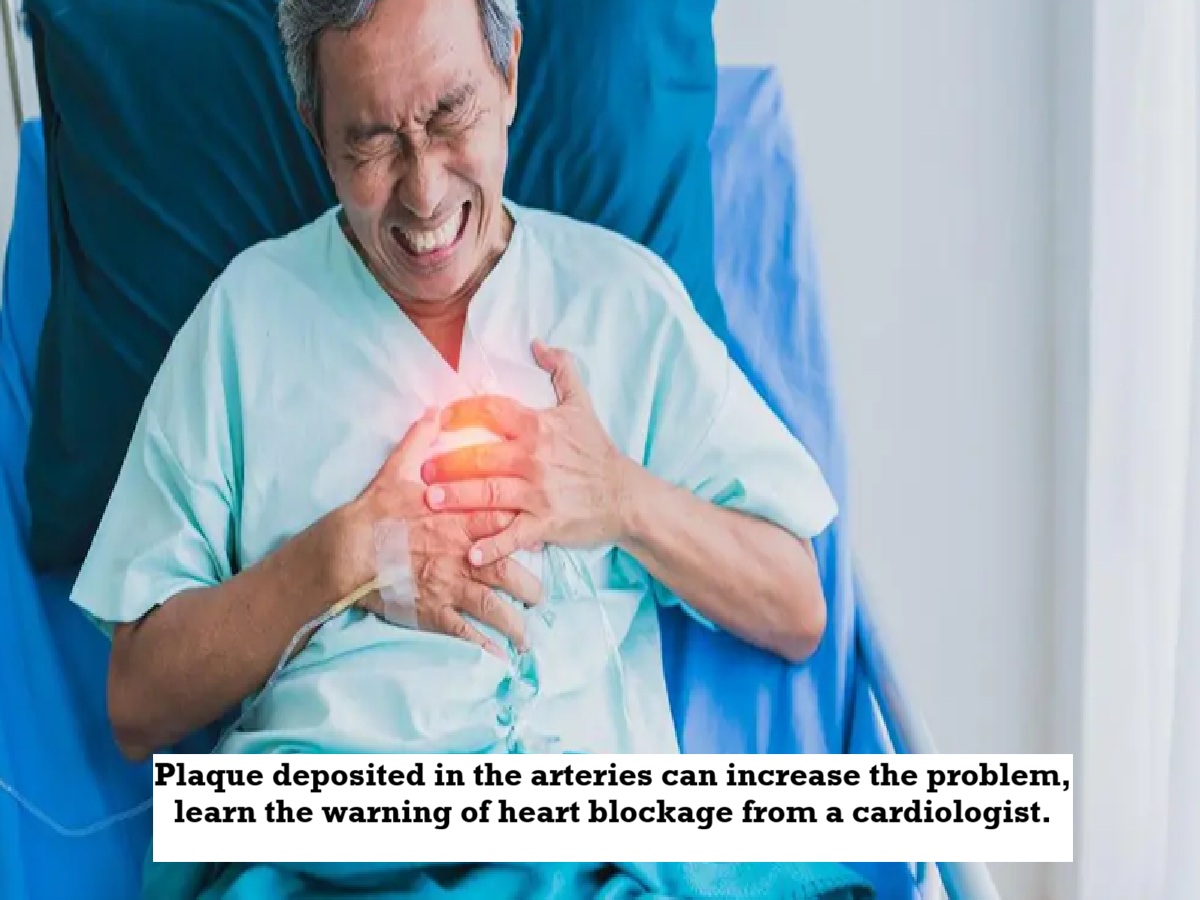
News Topical, Digital Desk : Heart blockage, also known as coronary artery disease, is a condition in which the arteries that supply blood to the heart become narrowed or blocked. This is usually due to plaque buildup in the arteries, which reduces the flow of oxygen-rich blood to the heart. This condition can also increase the risk of a heart attack. People often associate heart disease with sudden, severe chest pain, but according to experts, many of the early signs are mild and often overlooked.
What do experts say?
Cardiac sciences expert Dr. Praveen Raman Mishra told TOI that the most common symptom of a blockage in the heart arteries is chest pain or pressure. Many people describe it as a heaviness, tightness, or burning sensation in the chest. However, this pain isn't always severe; it can come and go, especially when a person engages in physical activity or is under stress. Shortness of breath can also be a significant sign. Some people experience difficulty breathing while climbing stairs, walking a short distance, or even performing simple tasks.
What are the symptoms?
Doctors say that heart blockage can also cause unusual fatigue. When adequate oxygen-rich blood doesn't reach the heart, the body experiences persistent weakness and fatigue. In many cases, the pain isn't limited to the chest but can spread to the arms, neck, jaw, or back. People often mistake this for muscle pain or gas or acidity. Furthermore, dizziness, nausea, or excessive sweating without a specific reason can also be warning signs, especially if these symptoms occur during physical activity.
How can you control it?
According to experts, high blood pressure, diabetes, smoking, high cholesterol, and lack of physical activity can increase the risk of blockage in the heart arteries. Therefore, regular exercise, a balanced diet, and regular health checkups are essential for maintaining heart health. If symptoms recur or worsen, it's best to consult a cardiologist immediately to avoid serious complications. Ignoring these symptoms could lead to complications later in life.
Read More: IBS Problem: Soluble fiber is effective in treating stomach problems like IBS.
--Advertisement--