desk
desk Share
Share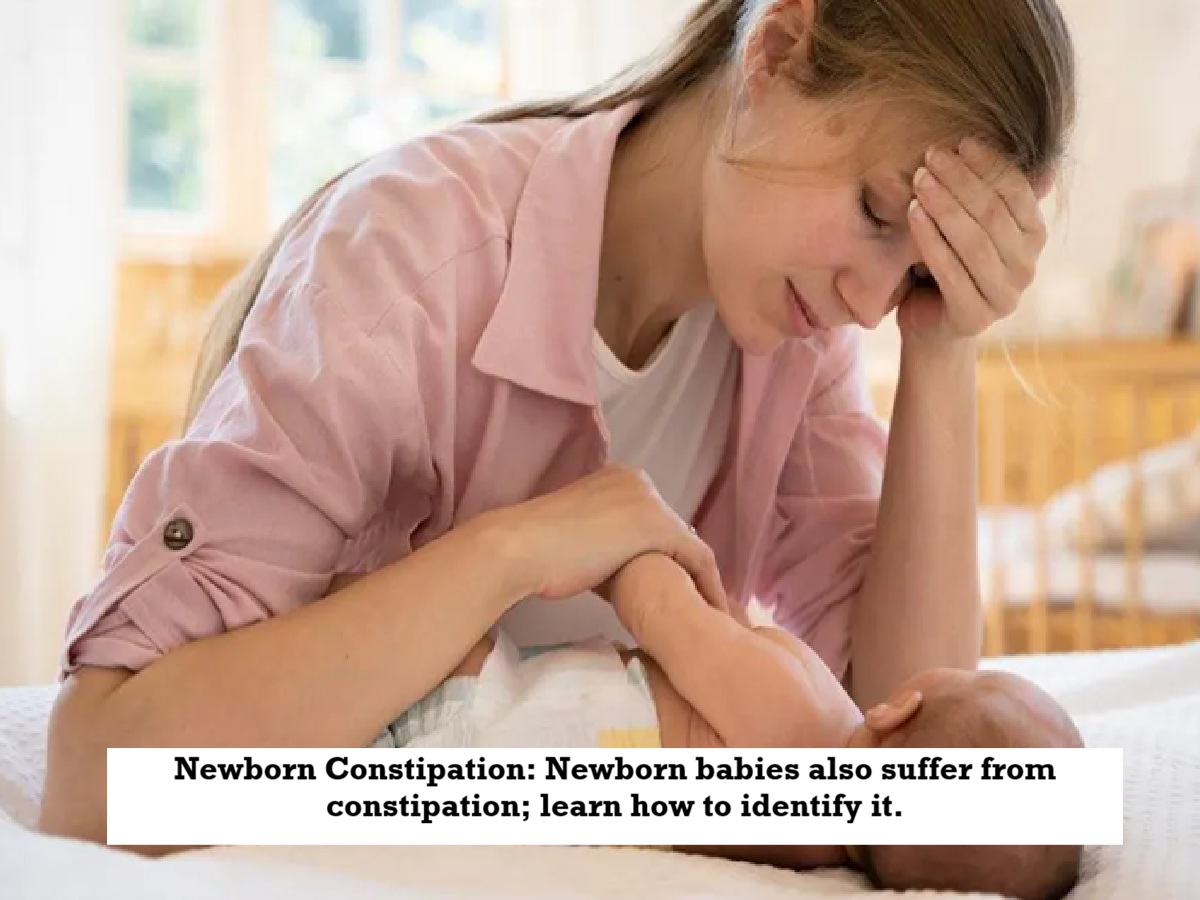
News Topical, Digital Desk : Constipation in newborn babies and young children becomes a cause of worry for many parents. It is often difficult to understand whether the child is actually suffering from constipation or it is a normal condition according to his age. Therefore, it is important to first understand its signs and causes properly. Constipation in infants and children means that their stool has become very hard or they are having difficulty in defecating. Sometimes the child feels pain when straining or is unable to pass stool despite efforts. However, every child's bowel pattern is different, hence not passing stool every day is not always a sign of constipation.
How to identify whether children are constipated or not?
According to MedlinePlus, an online health information website, if a child becomes very irritable, frequently vomits, has very hard and dry stools, experiences pain during bowel movements, or feels bloated, these could be signs of constipation. In older children, passing stools less than three times a week, stool marks on their underwear, or blood in their stools are also warning signs.
When does constipation occur?
MedlinePlus reports that constipation occurs when stool remains in the intestines for a long time, causing excess water to be absorbed. This hardens the stool. In infants, it can be caused by the introduction of solid foods, a transition from breast milk to formula, insufficient fluid intake, or a change in environment. Sometimes, children deliberately suppress the urge to go to the toilet. This may be due to fear of toilet training, previous traumatic experiences, or aversion to using school or public restrooms. In some cases, intestinal diseases or certain medications can also cause constipation.
What things can be taken care of at home?
To prevent constipation in newborns and young children, several things can be taken care of at home. Babies older than two months can be given a little water or fruit juice, as advised by a doctor. After four months, if a child begins eating solid foods, fiber-rich baby foods are beneficial. For older children, providing adequate water, fruits, vegetables, and whole grains is helpful. If a child experiences difficulty with toilet training due to constipation, it is best to stop for a while.
When is it necessary to see a doctor?
If a baby under two months of age has constipation, no bowel movements for three days, and is accompanied by vomiting or excessive irritability, you should immediately consult a doctor. With timely identification and care, constipation in newborns can be easily managed.
--Advertisement--