desk
desk Share
Share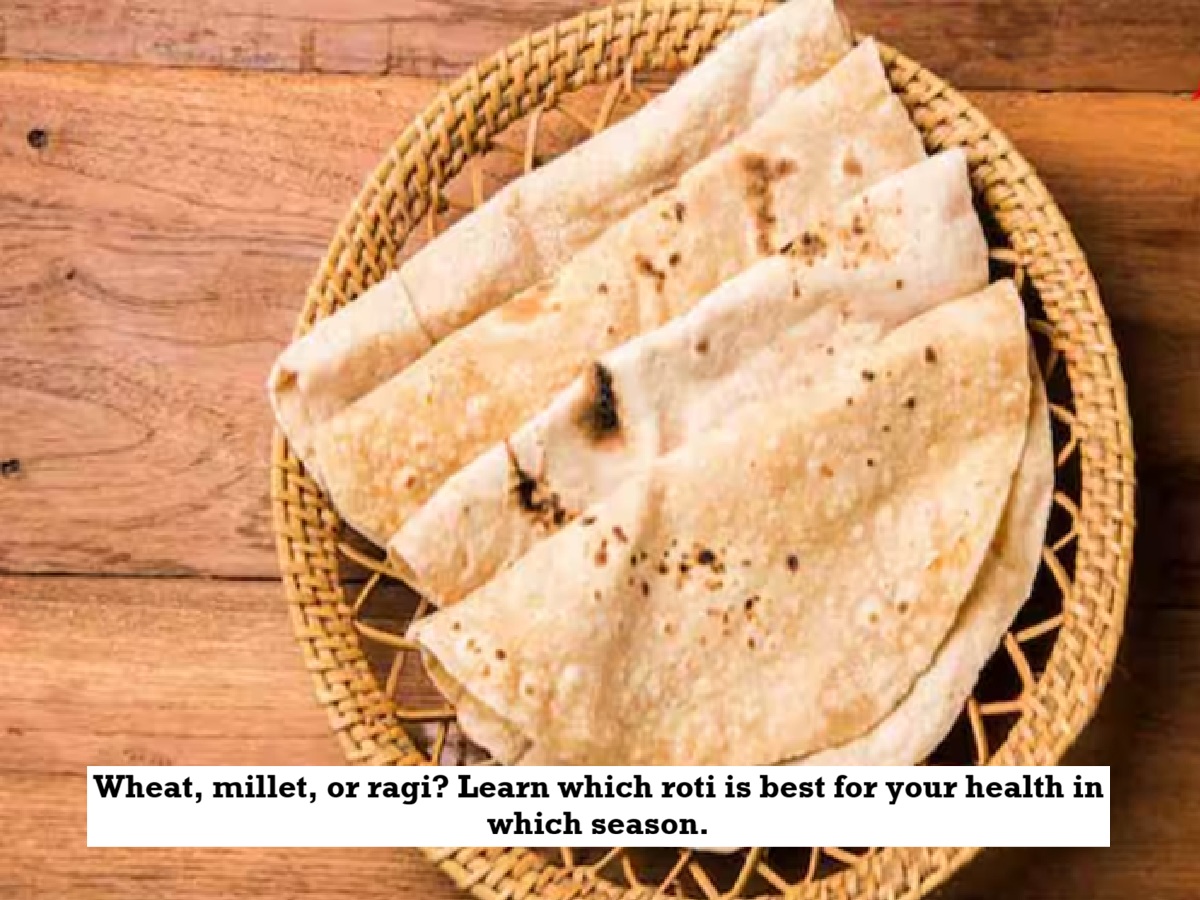
News Topical, Digital Desk : In our country, roti isn't just a food, it's a part of everyday life. Whether it's breakfast or dinner, roti is almost a given. But have you ever wondered why we eat the same type of roti year-round? Does the body need the same food in every season? This wasn't the case in earlier times. Our grandparents would adjust their cereals as the seasons changed. They would eat coarse grains in winter, light foods in summer, and easily digestible foods in the monsoon season. The direct reason for this was the changing nature of the body and digestive system with the seasons.
Today, due to convenience and habit, wheat bread is eaten year-round. However, nutritionists and Ayurveda believe that each grain has its own properties and is more beneficial for the body in a particular season. Choosing bread based on the season improves digestion, reduces stomach problems, and leaves the body feeling light and energetic. So, let's explore which bread is best for health in which season: wheat, millet, or ragi.
Why should our diets change with the seasons?
Our bodies function according to the seasons. In winter, digestion is stronger, so even heavy and slow-digesting foods are easily digested. In summer, digestion slows down, and the body prefers cooling, light foods. During the monsoon, digestion is at its weakest, so simple and light foods are preferred. For this reason, in ancient times, people ate bread made from different grains in each season.
How does wheat bread suit each season?
Wheat bread is the most commonly consumed bread today. It's readily available, easy to make, and suits most people. Wheat bread is considered best during spring and mild winters. Digestion is neither too strong nor too weak during these times. Wheat provides good energy and keeps the stomach full, but eating only wheat bread during extreme heat or harsh cold isn't suitable for everyone. It may be heavy for some in the summer, and it's not sufficient to provide adequate warmth in the winter.
How much energy does millet bread have?
Bajra roti is especially recommended for winter. Bajra is a warm grain, meaning it generates heat in the body. Bajra roti is especially beneficial during the cold season, when the body needs more energy and strength. It is heavier than wheat and takes longer to digest, but this is what makes it special in winter. Bajra roti is often eaten with ghee, butter, or jaggery to balance its dry nature and facilitate digestion.
How healthy is ragi roti?
Ragi roti is considered ideal for summer. It cools the body and doesn't weigh heavily on the stomach. During the summer, when appetite is low and digestion is weak, ragi helps calm the stomach. This is why ragi is consumed extensively in South India during the summer. However, eating too much ragi in winter can cause some people to feel stiff or cold, so it's best to consume it in moderation during the cold season .
Jowar and Maize Bread
Jowar and maize rotis keep you full for a long time, but they are dry in nature. Digestion requires a strong digestive system. Therefore, these rotis are especially suitable for people who do a lot of physical work, such as farmers or laborers. If you eat them, be sure to have vegetables, lentils, or a little ghee with you to avoid putting pressure on your stomach.
Read More: Is your child ready for school? Learn from a counselor the 40-day formula for building confidence.
--Advertisement--