desk
desk Share
Share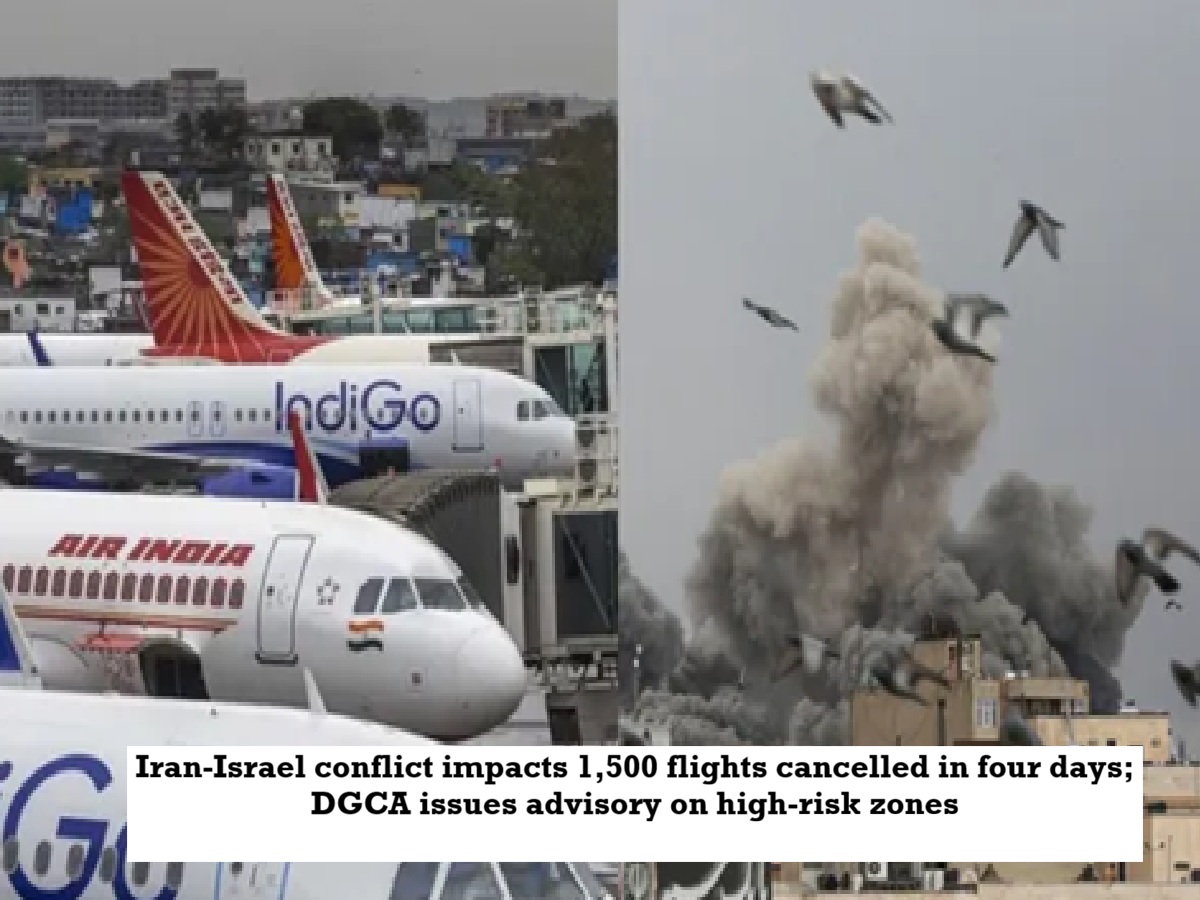
News Topical, Digital Desk : The ongoing crisis in West Asia has disrupted air travel for a fourth day. The major upheaval, triggered by US-Israeli attacks on Iran, has forced the closure of airspace in several countries in the region, stranding millions of passengers and canceling thousands of flights.
From India to the Gulf countries, airlines are now operating special flights to evacuate Indian citizens. The crisis continued on Wednesday, with airlines increasing the number of relief flights.
According to the Civil Aviation Ministry, as of Tuesday, 1,221 international flights by Indian airlines and 388 by foreign airlines had been cancelled. On Wednesday, Indian airlines planned to operate 58 special flights, including 30 by IndiGo and 23 each by Air India and Air India Express.
Airlines gave relief
IndiGo is one of the airlines hardest hit by the crisis. The company reported in a stock exchange filing that it has canceled more than 500 flights since February 28th. This is a significant number and has caused significant inconvenience to passengers.
Meanwhile, Air India has announced capacity increases on some key long-haul routes to meet demand. This includes additional flights to destinations like Toronto, Frankfurt, and Paris. These additional services are intended to provide better connections and flexibility to the domestic and Southeast Asian networks from Delhi.
Dubai airport shuts down, halts services in several cities
Passenger services at airports in Bahrain, Doha and Kuwait are completely suspended. Emirates and Air Arabia confirmed on Wednesday that all scheduled flights to and from Dubai would be suspended until midnight on Saturday.
Emirates posted on X that passengers affected by recent flight cancellations can message them directly. If someone needs urgent assistance, they can call, but wait times on the call may be 2-3 hours. The company added that refunds can be requested without contacting anyone for bookings made on or before March 12th.
DGCA issues strict advisory, avoid high-risk zones
On February 28th, the day the crisis began, the Directorate General of Civil Aviation (DGCA) issued an advisory to all Indian airlines, advising them to avoid the airspace of high-risk zones such as Tehran, Tel Aviv, Beirut, Jeddah, Bahrain, Muscat, Baghdad, Amman, Kuwait, and Doha. This advice was issued with safety in mind, and airlines are changing routes or canceling flights accordingly.
--Advertisement--