desk
desk Share
Share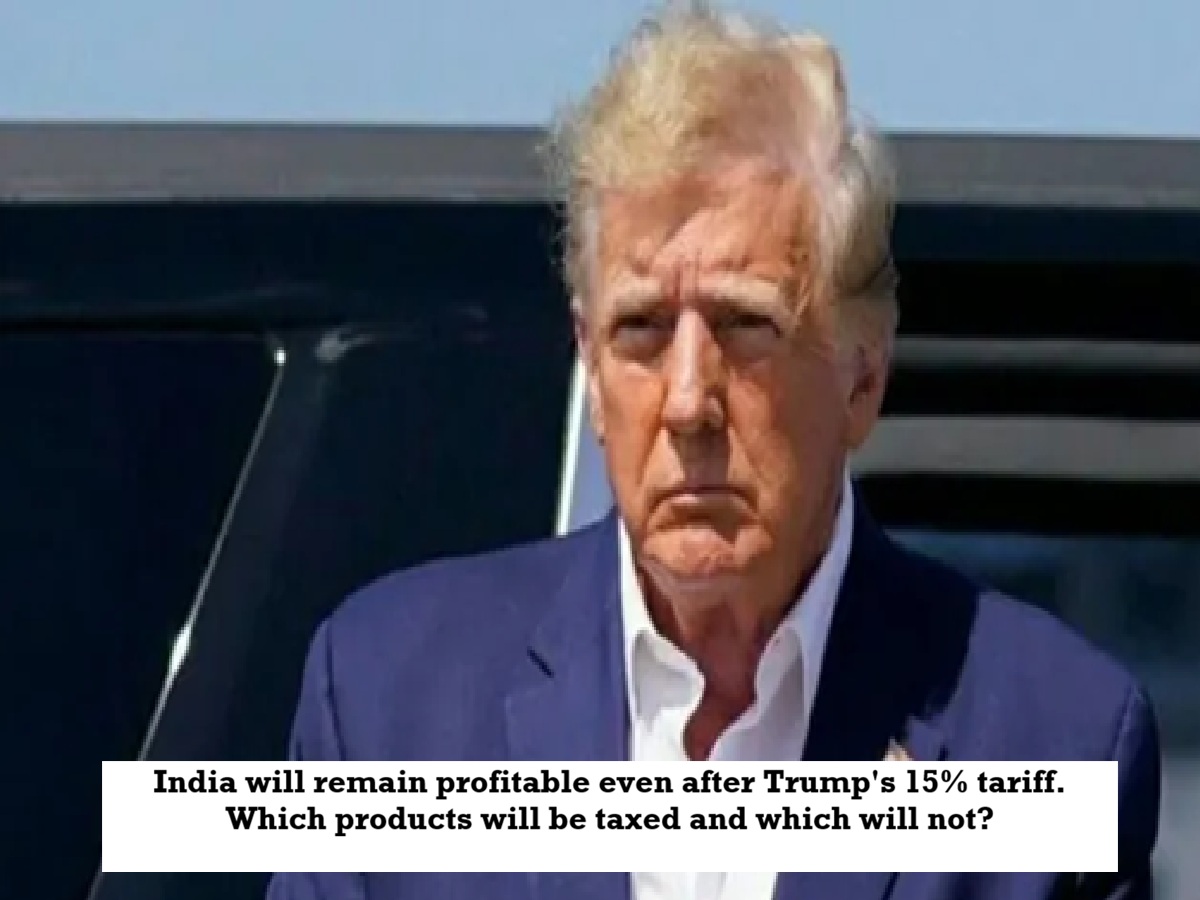
News Topical, Digital Desk : Following the recent US Supreme Court decision, President Donald Trump has announced a reduction in the reciprocal tariffs imposed on several countries, including India. Under this decision, the additional import duty on goods going from India to the US has been reduced from 25 percent to 15 percent. The new rates will be effective from February 24, 2026, and this arrangement will remain in place temporarily for 150 days. The White House issued an official order in this regard on February 20.
Tariffs, or import duties, are taxes imposed by a country on goods imported from another country. This directly impacts prices, as companies often pass these additional costs on to consumers. Reducing tariffs would make Indian products cheaper in the US market and strengthen their competitive position.
India-US trade talks gain momentum
This decision is considered significant in the context of ongoing trade negotiations between India and the United States. The Indian delegation will hold talks in Washington starting February 23rd to draft the legal framework for the Phase 1 trade agreement. It is expected that the two countries could sign the agreement next month.
Which items are exempted?
The US has exempted certain essential goods from the 15 percent tariff, based on domestic needs. These include medicines, pharmaceutical ingredients, some electronic goods, energy products, fertilizers, passenger vehicles, buses, and some aerospace products.
This new arrangement will remain in effect until approximately July 2026. It's unclear what stance the US will take after that. For now, Indian industry is viewing this decision as a relief, and hopes for an improvement in the trade balance between the two countries.
What is Reciprocal Tariff?
Reciprocal tariffs mean reciprocal tariffs. This means that if a country imposes a tariff on American products, the US will impose the same tariff on goods coming from that country. The Trump administration announced the implementation of this policy on approximately 60 countries, including India, on April 2, 2025. This tariff is imposed on top of the already existing MFN (most favored nation) duty.
The journey of tariffs on India
Last year, the United States announced a 26 percent reciprocal tariff on India. This was followed by an additional 25 percent punitive tariff on Russian crude oil purchases in August 2025, bringing the total tariff to 50 percent. Following the agreement on the framework of an interim trade agreement between the two countries in February 2026, the United States removed the punitive tariff and reduced the tariff to 18 percent. This has now been further reduced to 15 percent.
Which areas will benefit
India's major exports to the United States include pharmaceuticals, biological products, telecom equipment, precious stones, petroleum products, auto parts, jewelry, and ready-made garments. Companies in these sectors are expected to directly benefit from the tariff reduction. However, some sectoral tariffs will remain in place. A 50 percent tariff will remain on steel, aluminum, and copper, while a 25 percent tariff will remain on some auto components.
Meanwhile, sectoral tariffs of 50% on steel, aluminum, and copper will remain in place. A 25% duty will also apply to certain auto components. In the services sector, India exported $28.7 billion and imported $25.5 billion. Overall, India realized trade benefits of approximately $44.4 billion.
Read More: Trump announces three-week ceasefire extension between Israel and Hezbollah
--Advertisement--