desk
desk Share
Share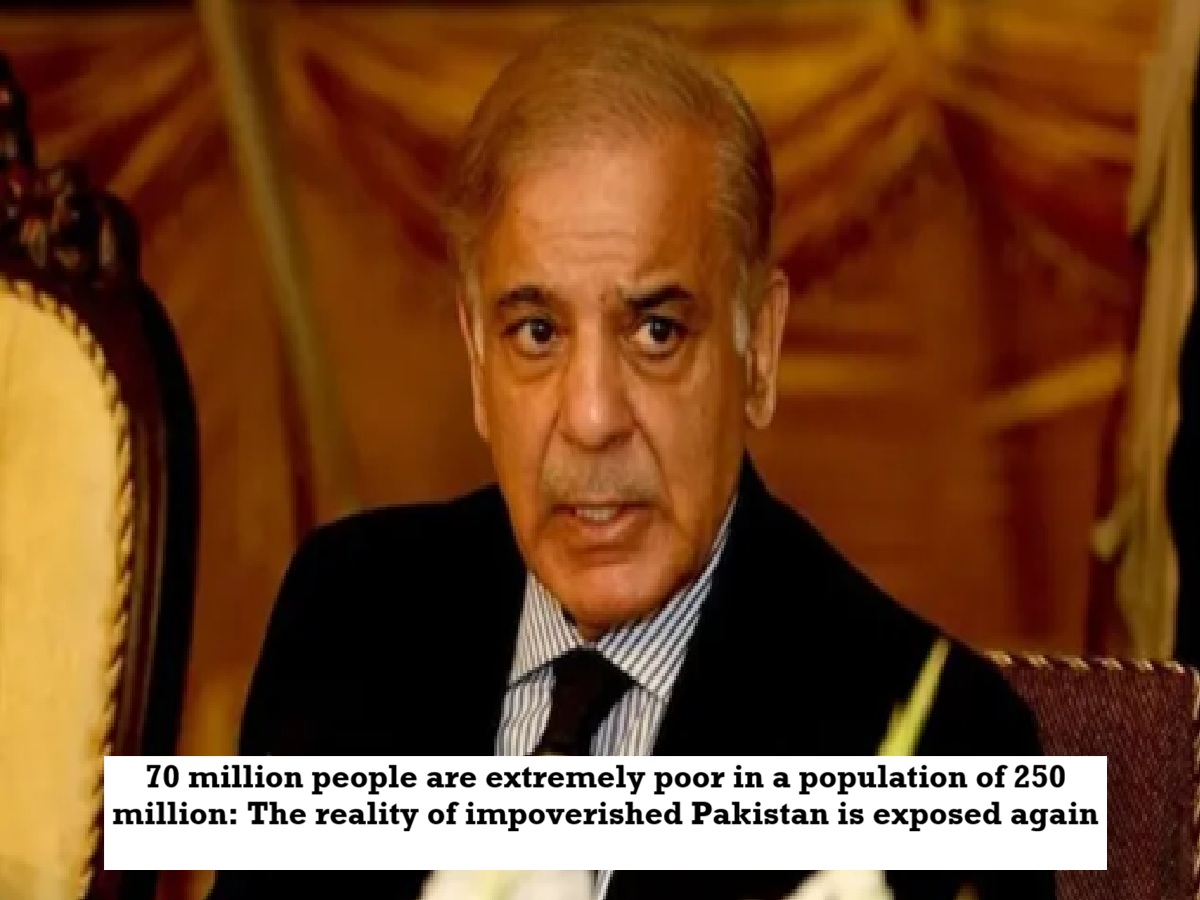
News Topical, Digital Desk : The poverty rate in Pakistan has risen to 29 percent, the highest in 11 years. This information was revealed in a government survey released by Planning Minister Ehsan Iqbal Chaudhry. According to the report, income inequality in the country has also reached a 27-year high.
According to the survey, approximately 70 million people live in extreme poverty. Extreme poverty means that a person earns less than ₹8,484 per month to meet their basic needs. According to preliminary data for the 2024-25 fiscal year, the poverty rate has risen to 28.9 percent, up from 21.9 percent in 2019. This is the highest level since 2014.
After declining since 2014, poverty has risen again.
The report states that poverty decreased between 2014 and 2019, but the situation has deteriorated sharply in recent years. The unemployment rate has also risen to 7.1 percent, the highest in 21 years.
Poverty in rural areas has risen from 28.2% to 36.2%, while in urban areas it has risen from 11% to 17.4%. The greater increase in rural areas clearly indicates that inflation and the economic slowdown have had a greater impact on rural areas.
The situation has worsened in all provinces
According to provincial data, poverty has increased in every region. In Punjab, poverty rose from 16.5 percent to 23.3 percent, in Sindh from 24.5 percent to 32.6 percent, and in Khyber Pakhtunkhwa from 28.7 percent to 35.3 percent.
Balochistan remains the poorest province, with poverty rates rising from 42% to 47%. The report said security challenges in Khyber Pakhtunkhwa and Balochistan have adversely affected livelihoods.
Income decreased, inflation increased difficulties
Over the past seven years, real monthly household income has declined by 12 percent to ₹31,127. Real expenditure has declined by 5.4 percent. This means that while income has increased only marginally, inflation has increased more than that.
Minister Ehsan Iqbal acknowledged that conditions imposed under the International Monetary Fund (IMF) program, such as subsidy cuts and currency devaluation, had exacerbated hardship for the people. He also cited natural disasters and weak economic growth as factors.
He stated that cash assistance provided under the Benazir Income Support Program is not a permanent solution. Sustained economic growth and job creation are essential for poverty reduction. While he ruled out an early exit from the IMF program, he expressed hope that improved incomes will gradually reduce poverty.
Read More: Israel issues warning to Lebanon: 'Evacuate these seven towns'
--Advertisement--