desk
desk Share
Share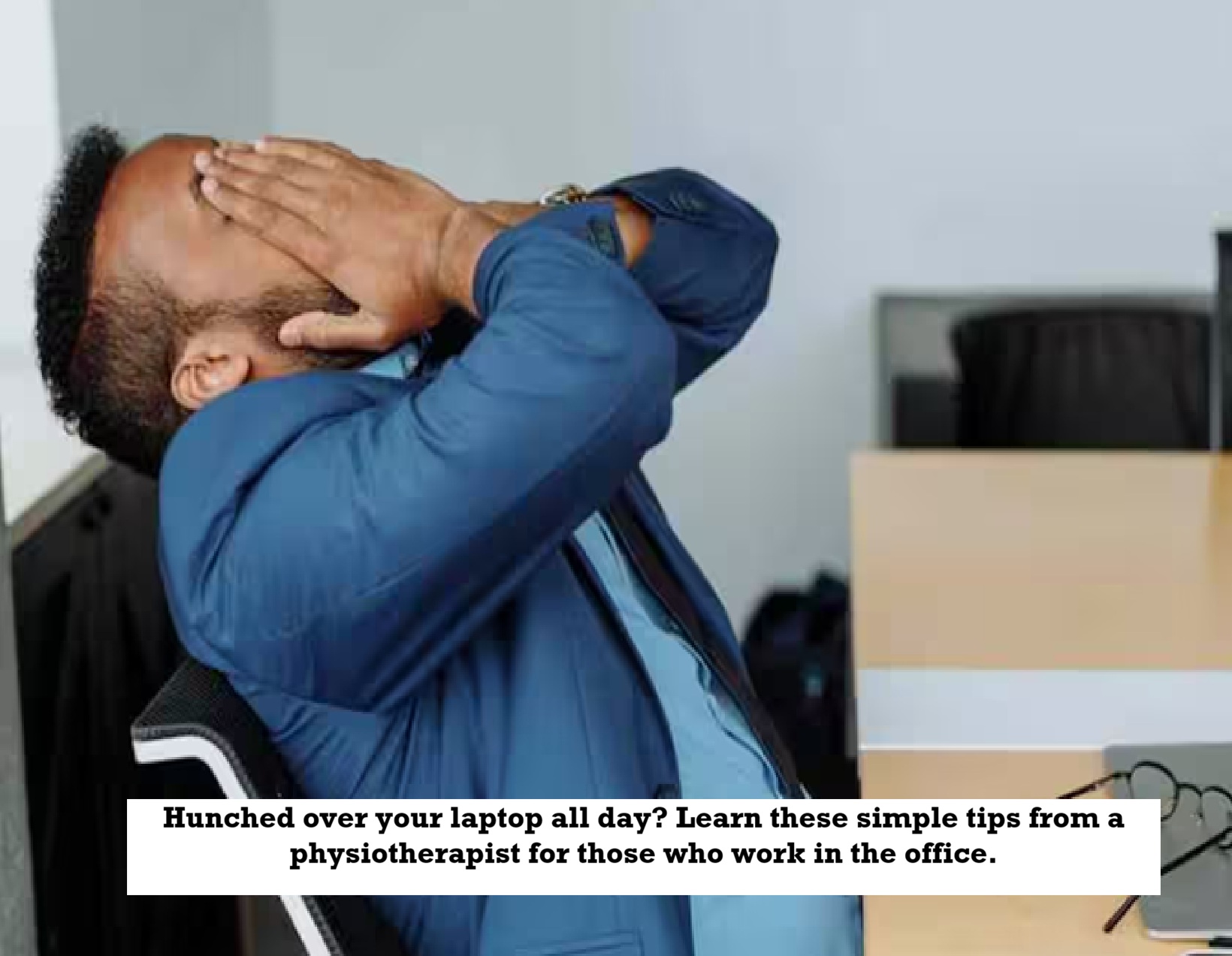
News Topical, Digital Desk : In today's hectic lives, we all forget to take care of our bodies. Especially those who spend hours sitting in front of a computer or laptop in the office often suffer from back pain, neck stiffness, back strain, and joint problems. Continuous sitting not only causes physical fatigue, but can also gradually lead to many serious health problems. Therefore, it becomes crucial to incorporate habits into our daily lives that keep our bodies active. Physiotherapy is an easy, safe, and effective method that not only provides relief from injuries and pain but also prevents future illnesses. Physiotherapy is not just a treatment, but a lifestyle that can help you stay healthy and active for a long time. So, today we share some simple tips from a physiotherapist for those who work in the office.
What is physiotherapy and why is it important ?
Physiotherapy is a medical practice that uses exercise, massage, stretching, and correct body posture to heal the body instead of medications. This is crucial for those who sit in the same position for long periods of time, work bent over a computer or laptop, use mobile phones or tablets frequently, are elderly, or have weakened bones and muscles, or are recovering from an injury, fracture, or surgery. Physiotherapy can help build muscle strength, strengthen bones, improve mobility, reduce mental stress, and accelerate recovery from injury or surgery.
Simple and Effective Physiotherapy Tips for Office Workers
1. Take a break every 30-40 minutes - Sitting for long periods of time can be harmful to the body. So, take a short break of 2-3 minutes every half hour to stand up, walk around, or stretch.
2. Adopt correct sitting posture - While sitting to work in the office, keep your back straight, shoulders loose and relaxed, keep your feet straight on the ground, and your screen should be in front of your eyes, so that your neck does not bend.
3. Do some light stretching - In between work, do some gentle stretching of your arms, neck, back, and legs. This improves blood flow and relieves stiffness.
4. 20–30 minutes of light exercise in the morning – Start your day with light exercise and yoga. This builds flexibility and keeps you active throughout the day.
5. Sleep and rest are also essential - 7–8 hours of sleep is essential for the body to recover. Limit your mobile phone or laptop use before bed.
--Advertisement--