desk
desk Share
Share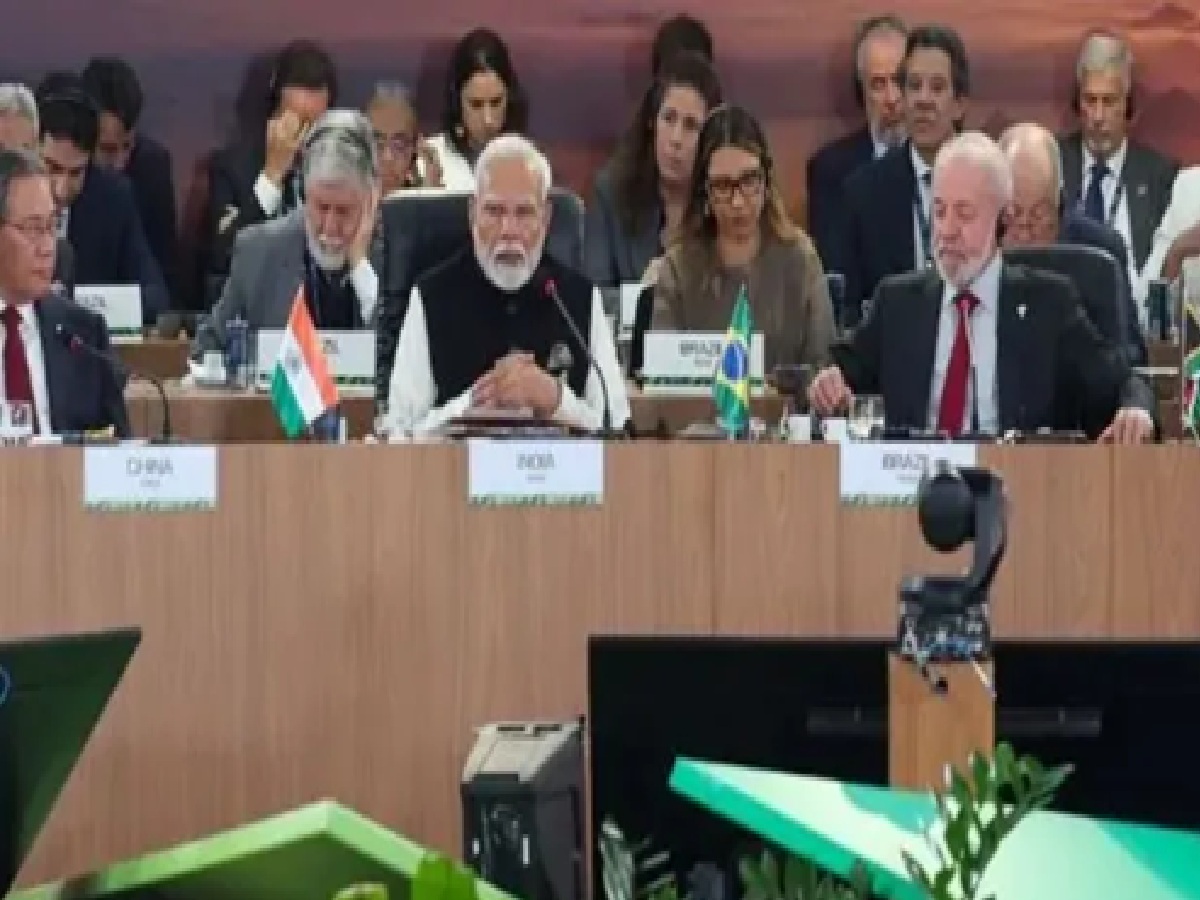
News Topical, Digital Desk : Last week's BRICS meeting on the Middle East failed to produce a consensus document due to significant differences in the positions of member states involved in the conflict.
According to Indian officials, attempts by other countries to resolve these differences have been unsuccessful. India holds the BRICS presidency this year and will host a meeting of foreign ministers next month, followed by a summit later this year.
Concerns expressed about conflict in the Middle East
Last week's meeting of foreign ministers and special envoys failed to produce a joint statement due to a lack of consensus. Instead, a "Chairman's Statement" was issued, which stated that member states expressed deep concern over the recent conflict in the Middle East and presented their views and assessments on the matter.
Discussions covered the Palestinian issue and the situation in Gaza, including the delivery of humanitarian aid, the role of UNRWA, adopting a 'zero-tolerance' approach to terrorism, and welcoming the ceasefire in Lebanon.
What was the reason for not reaching a consensus?
While Iran has been seeking BRICS unity against the US and Israel and urging India to work towards building consensus, the presence of the United Arab Emirates (UAE) and Saudi Arabia prevented a joint statement from being issued.
Government sources also dismissed any softening of India's stance on the Palestine issue and reiterated that India remains fully committed to a 'two-state solution'.
India's stand on the Palestine issue
"On the Palestine issue, India recently adopted a consensus position with the Arab League (which includes Palestine) on January 26. India has always been clear about its support for a 'two-nation solution'," a source said.
The source further said that several countries in the BRICS grouping had supported the Sharm el-Sheikh Peace Summit and UNSC Resolution 2803. This resolution endorsed a comprehensive 20-point peace plan to end the ongoing conflict in Gaza, which also proposed the establishment of a Peace Board.
According to government sources, these have been some of the significant developments over the past year. Since the conflict began in Gaza, India has provided nearly 70 metric tonnes of humanitarian assistance, including 16.5 metric tonnes of medicines and medical supplies sent in two tranches.
It released $5 million last year and another $5 million this year to the United Nations Relief and Works Agency (UNRWA). It also recently sent 65 tons of medicines to UNRWA and the Palestinian Ministry of Health in October and November 2024.
According to Indian officials, India's policy towards Palestine has been long-standing. This policy includes supporting a two-state solution through negotiations and the establishment of a sovereign, independent, and capable Palestinian state within secure and recognized borders, a state that lives side by side peacefully with Israel. India also supports Palestine's membership in the United Nations.
--Advertisement--