desk
desk Share
Share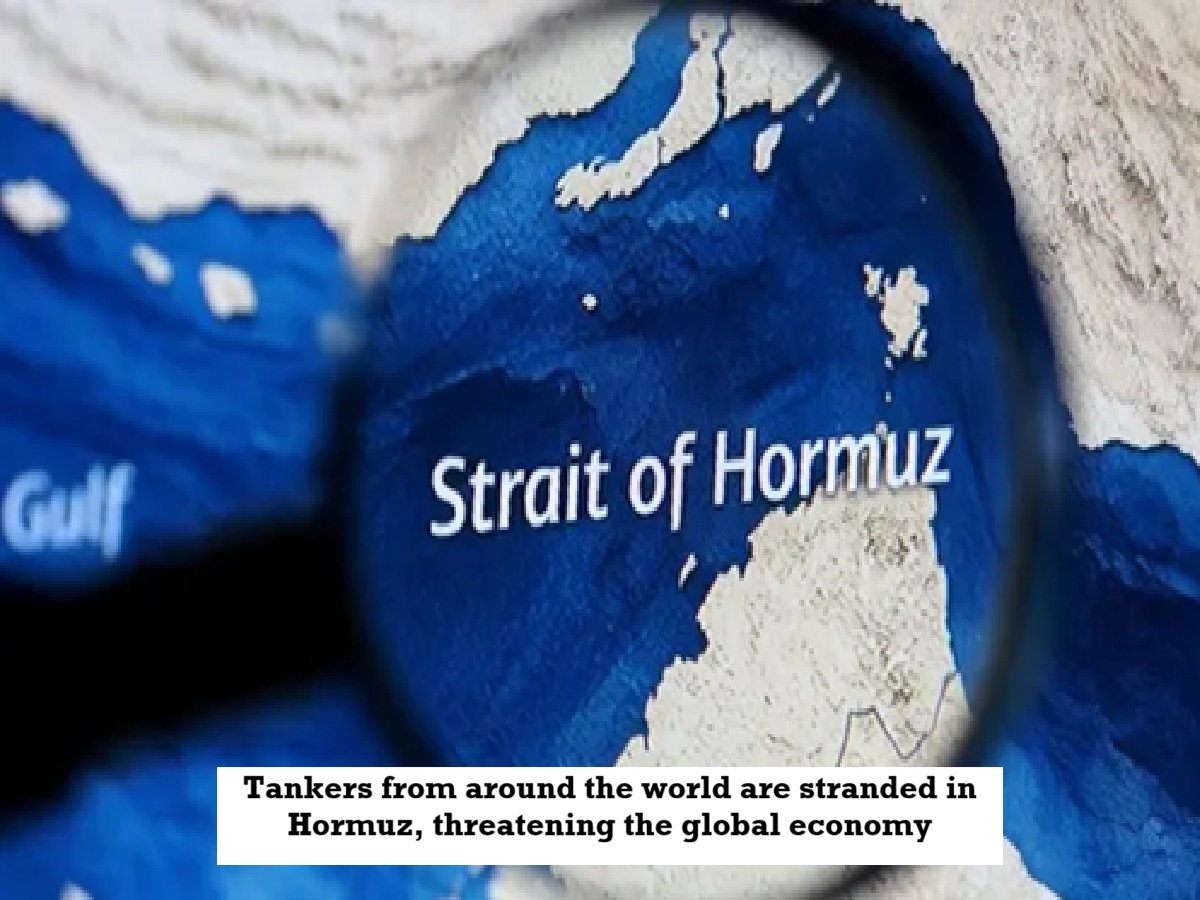
News Topical, Digital Desk : West Asia's most vital maritime lifeline, the Strait of Hormuz, is currently embroiled in a crisis that has the entire world on edge. Hundreds of oil tankers are stranded at sea, unable to move forward or return. The situation is such that dark clouds of danger are looming over the global economy. Iran has virtually blocked this vital sea route in response to attacks by the US and Israel.
Oil prices are soaring, and panic is palpable in the markets. Meanwhile, US President Donald Trump has warned that the passage will be opened at any cost. Furthermore, he has even hinted at working with Iran's supreme leadership to jointly control the strait.
Narrow path, fatal opportunity
The Strait of Hormuz is extremely narrow and shallow. Ships passing through it come close to Iran's mountainous coast, making it easy to attack. This is Iran's greatest strategic strength. Iran hides its missiles, drones, and weapons in mountains, caves, and tunnels.
As the ship approaches, a surprise attack is launched and the ships have only minutes to respond.
17 attacks, increasing danger
Since the conflict began in late February, approximately 17 ships have been attacked. This alone demonstrates the seriousness of the threat. Iran's missile systems are mobile, constantly shifting locations. This is why they have not been completely eliminated despite thousands of US and Israeli strikes.
Why is it difficult for America to open the way?
If the US were to take military action to open this route, it would be a major and extremely risky operation, requiring multiple layers of security.
- Escort arrangements for oil tankers by warships to ensure their safe evacuation
- Detection and removal of sea mines
- Deterring airborne threats, such as drone and missile attacks
Overall, this will be a complex and multi-layered military operation, requiring constant vigilance on every front.
Warships are also in danger
US destroyers are ill-prepared for such close-in attacks. Every part of their hull is vulnerable to attack, meaning not just tankers but warships are at risk.
If the sea is lined with mines, the situation changes completely. No country will risk its large ships. Removing the mines could take weeks, putting the troops directly at risk.
Ground Operation: Could Intensify War: US Marines are advancing into the region. They could seize small islands and install air defense systems. However, Iran's military is large and strong. There's a risk of soldiers being killed or captured. This could escalate the war.
500 tankers stopped, the world stopped
Nearly 500 tankers are stranded in the Persian Gulf, refusing to move. In normal times, about 80 tankers would transit this route daily. Why has everything come to a standstill? Companies are hesitant to take risks, and insurance companies have also backed off.
In such an environment, even a single attack could erode all trust. Even if the military provides security, only a limited number of ships can be evacuated at a time. It's impossible to handle such a large maritime traffic volume, so the situation is unlikely to return to normal anytime soon.
The threat isn't limited to just one region. Iran has targeted ships not only in the Strait, but also in the Persian Gulf and the Gulf of Oman. This means the entire sea route remains at risk.
One attack and it's all over
The biggest concern is that even a single successful attack could once again erode trust. Restoring trust in companies and the insurance market has become a major challenge.
Experts believe that military force can partially reopen the route, but that a full diplomatic and political solution will only be achieved. The Strait of Hormuz is not just a sea route, but the heartbeat of global energy supplies.
The crisis that arose here is no longer limited to West Asia, but has become a major challenge that will shake the economy of the entire world.
Read More: Israel issues warning to Lebanon: 'Evacuate these seven towns'
--Advertisement--