desk
desk Share
Share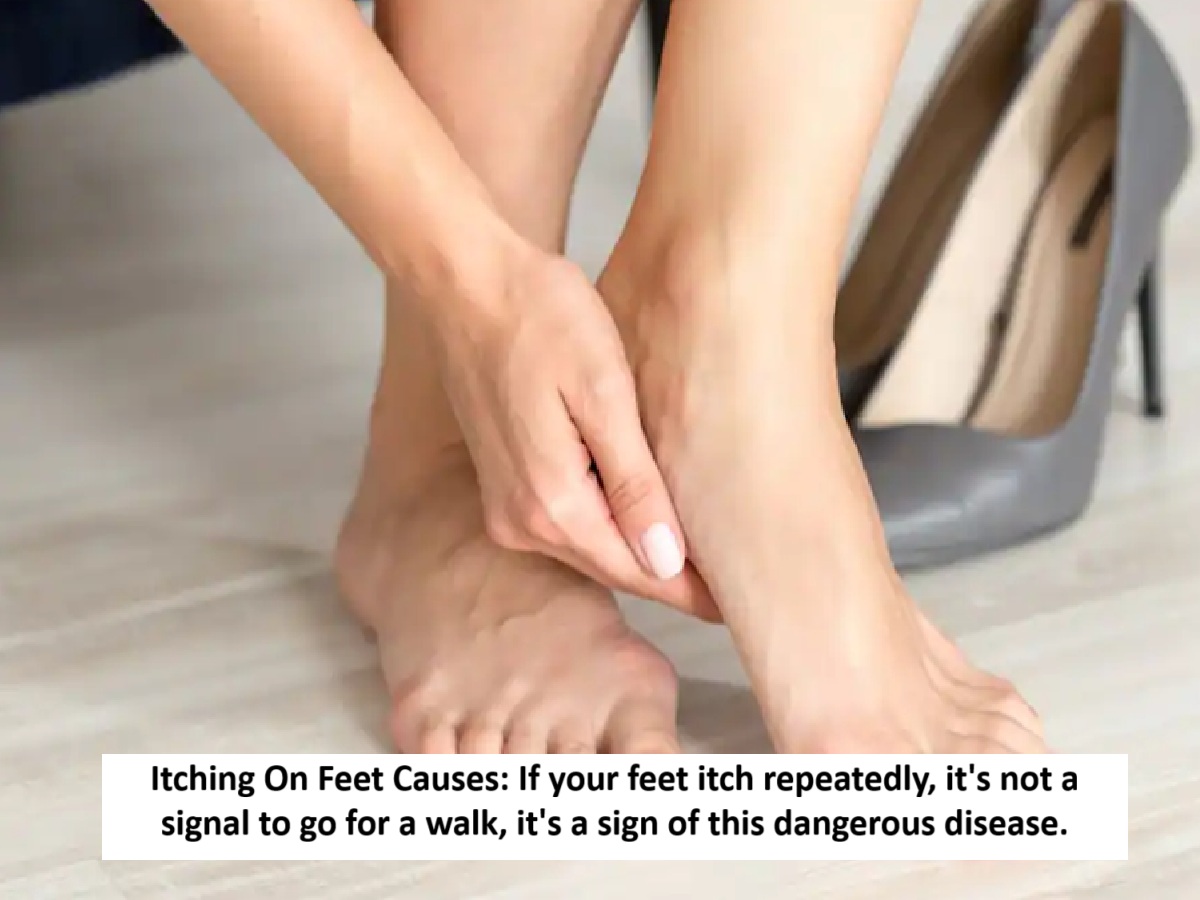
News Topical, Digital Desk : Foot Itching Liver Symptoms: Most people ignore itching on the hands and feet, thinking it's dry skin, allergies, or a minor irritation. But if the itching persists, there's no obvious reason, and there's no skin rash, it could be a sign of a serious underlying problem. According to doctors, such itching on the palms and soles could be an early symptom of liver disease. When the liver's functioning decreases, bile acids accumulate in the body, which irritate the skin's nerves and cause intense itching. If this itching worsens at night, doesn't subside with moisturizer, or is accompanied by symptoms like fatigue and jaundice, it's important to consult a doctor immediately.
Why do feet itch?
When the liver isn't functioning properly, toxins and bile acids build up in the blood. These substances affect the nerves in the skin, causing intense and persistent itching in the palms and soles of the feet. This type of itching is called "cholestatic pruritus" and sometimes occurs without a rash. This condition is often seen in several diseases, including primary biliary cholangitis, primary sclerosing cholangitis, and intrahepatic cholestasis of pregnancy. Why does itching occur in liver disease? Scientists have revealed these hidden causes.
Scientists haven't yet pinpointed a single cause for the itching associated with liver diseases. Experts believe that several different factors may be involved simultaneously.
accumulation of bile salts
When the liver weakens, bile salts are not properly filtered in the body and begin to accumulate under the skin. This affects the nerves and can cause intense itching. However, it is also true that many people do not experience itching despite elevated bile salt levels, while others experience itching even with normal levels.
increased histamine
Many patients with liver-related itching have elevated histamine levels, but interestingly, antihistamine medications often don't provide relief.
The role of serotonin
Serotonin can increase the sensation of itching in the brain. Some research suggests that it intensifies the sensation of itching by affecting specific receptors in the nervous system. This is why itching in liver disease is often difficult to treat.
pregnancy or hormone therapy
Hormonal changes during pregnancy or during hormone replacement therapy can increase itching. It has also been linked to changes in the liver's bile flow.
How to identify liver-related itching?
According to a study published in the National Library of Medicine, itching that persists for more than six weeks is classified as chronic pruritus. There are some differences between common itching and itching caused by liver pruritus, such as:
- Itching without a rash
- Increases more at night
- Starting with the hands and feet
Ways to reduce itching
- Do not scratch the skin too much as it may cause infection.
- If you have a habit of scratching at night, wear light gloves while sleeping.
- Take bath with lukewarm or cold water, avoid hot water.
- Use a humidifier in the room during cold weather.
Read More: Excessive hair loss may suddenly occur, this disease may be hidden in the body
--Advertisement--