desk
desk Share
Share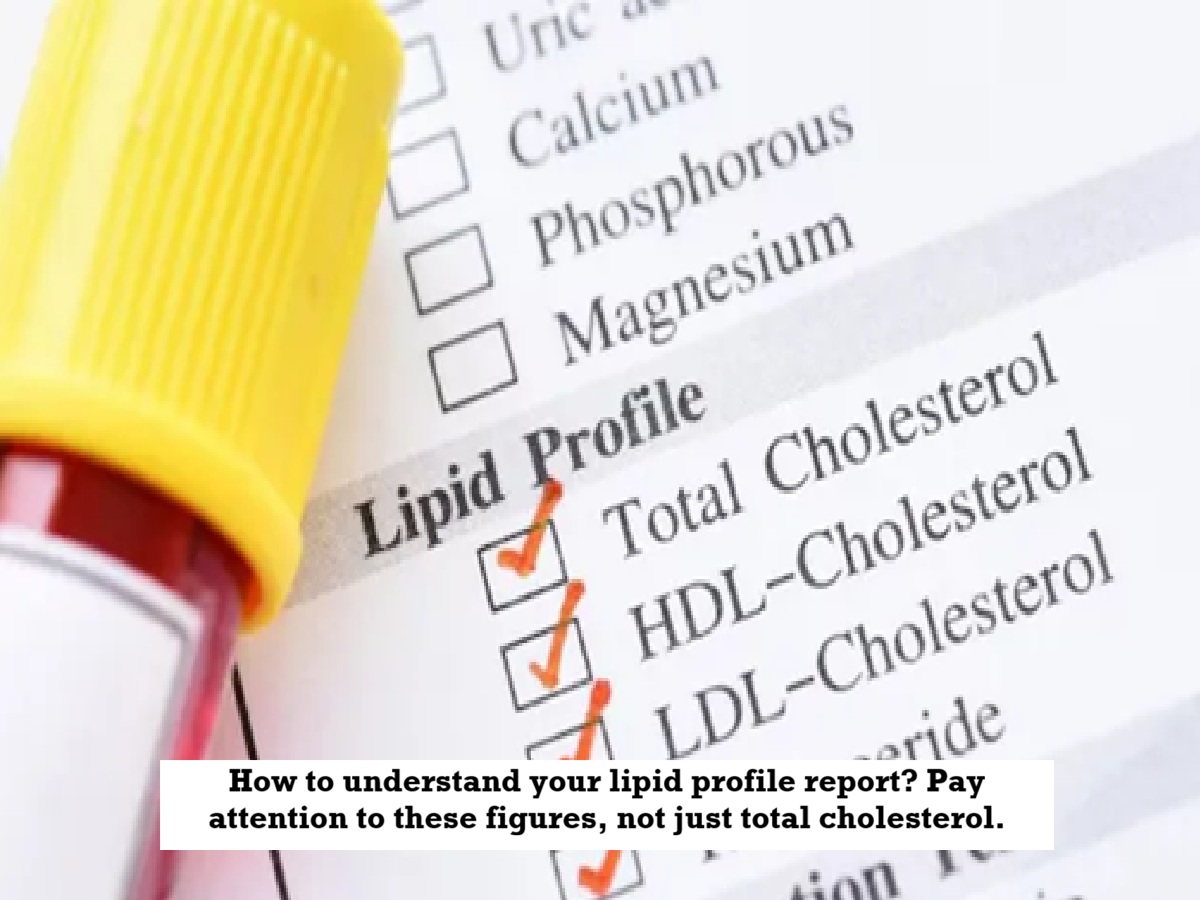
News Topical, Digital Desk : Regular health checkups are essential to keep track of your health, with the most common being a lipid profile test.
However, many people struggle to understand this test report. Many people focus solely on their total cholesterol count, but knowing this alone isn't enough to understand your risk of heart disease.
4 main tests for lipid profile
- Total cholesterol – This is the total amount of cholesterol in your blood. A level below 200 mg/dL is considered normal.
- LDL cholesterol – This is called bad cholesterol because it can build up in arteries and block them. Its level should be less than 100 mg/dL.
- Triglycerides – These are a type of fat in the blood. Your blood level should be less than 150 mg/dL.
- HDL cholesterol – This is called good cholesterol because it helps remove bad cholesterol from the body. A level above 50 mg/dL is considered good for the heart.
Pay attention to these important ratios as well
- Total cholesterol/HDL ratio – This is the biggest indicator of your risk of heart disease . A level below 3.5 is optimal. A level below 5 is good, but a ratio above 5 is dangerous. A ratio of 9.6 in men and 7 in women doubles your risk of heart disease.
- LDL/HDL ratio – This ratio indicates the balance of good and bad cholesterol in your body. A level below 2 is optimal, but a level above 5 is a red flag. This increases the risk of sudden cardiac arrest.
- Triglyceride (TG)/HDL ratio – This ratio is very helpful in identifying metabolic syndrome and heart attack risk. A value of 2 or less is good, and a value of 6 or more can increase the risk of heart attack by up to 16 times.
How to understand your report?
To understand your report, remember this rule:
- Total cholesterol, LDL and triglycerides – the lower these are, the better.
- HDL cholesterol – The higher it is, the better.
An important advice
Every person's body and medical history are different. Before drawing any conclusions based on your results or starting any medication, consult your doctor. They can best assess your age, lifestyle, and risk factors.
Read More: Is this 'healthy morning drink' damaging your teeth.
--Advertisement--