desk
desk Share
Share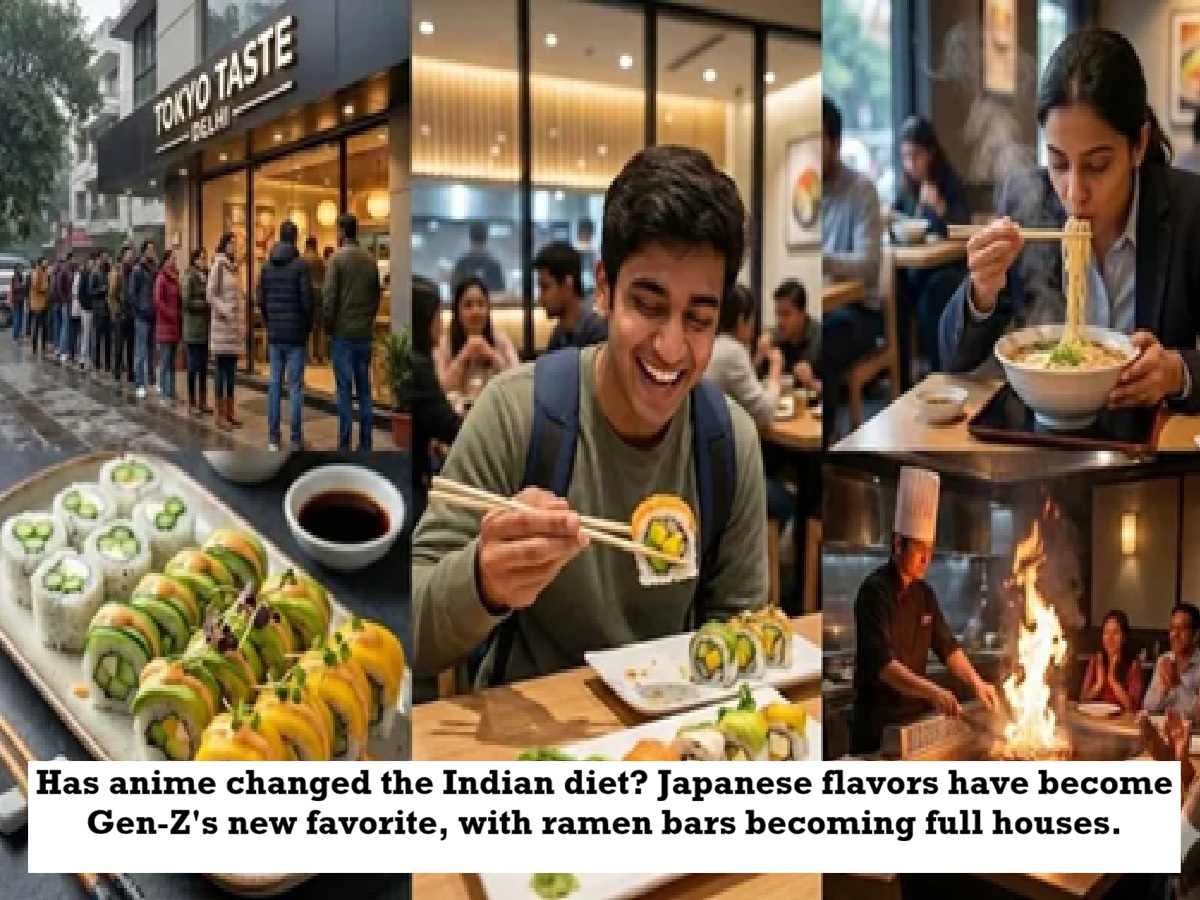
News Topical, Digital Desk : On a pleasant winter evening in 2026 , the long wait at a Japanese restaurant in a posh Delhi area bears testimony to the profound shift in India's food culture. In metropolises like Delhi, Mumbai, Bengaluru, and Pune, Japanese food is no longer just an exotic option, but a trend.
Be it the smile of a college student trying to eat sushi with chopsticks or the smile of a working professional sipping on ramen broth, Japanese food has added a new and vibrant colour to the food map of India.
Vegetarian flavor added to sushi
Sushi is the biggest contributor to Japanese cuisine's entry into India. Initially, sushi was considered a non-vegetarian dish, but understanding Indian tastes, we've adapted it. Now, sushi prepared with asparagus, avocado, cucumber, and even cheese and spicy mayonnaise has won the hearts of vegetarian Indians. Be it Poblano pepper sushi, mango sushi, nigiri, or uramaki, Japanese cuisine now offers vegetarian satisfaction as well.
A bowl of comforting ramen
While sushi established Japanese cuisine in India, ramen has made it a 'comfort food' for Indians. The umami flavor of Japanese ramen is a huge hit with youngsters. Especially in winters, a large bowl of hot noodles, boiled egg, seaweed, and a spiced broth has become a premium and healthy alternative to instant noodles for Genji. Indian consumers love spiciness in the broth, so we incorporate a balanced blend of miso and chili oil. In cities like Bengaluru, ramen bars have become a major hangout for youngsters.
Teppanyaki Dining is an Artistic Experience
Japanese cuisine offers not only delicious taste but also an artistic experience. Teppanyaki dining is now a growing trend not only in restaurants but also at expensive weddings and large events. Having a live Japanese counter is considered a matter of prestige. Here, the chef cooks in front of you on a large, hot rectangular iron griddle, incorporating fire tricks and knife skills!
Due to the increasing acceptance
Japanese food is known for its freshness and low oil content. Health-conscious people are finding this concept appealing to dining out. Rice and noodles are staples in both India and Japan, making it easy for Indians to adapt to this new taste. Similarly, the Japanese anime craze, similar to Korean pop culture in India, has created a fascination for the culture and food in Genji.
The challenges were no less
Despite many similarities, Japanese cuisine faced a major challenge in India—raw meat and seafood. Indian taste buds are accustomed to cooked and spicy food. The solution was fusion. Today, there are options like spicy tuna rolls or tempura (fried vegetables or shrimp). Kimchi is a must, and the spiciness of wasabi reminds Indians of green chilies.
--Advertisement--