desk
desk Share
Share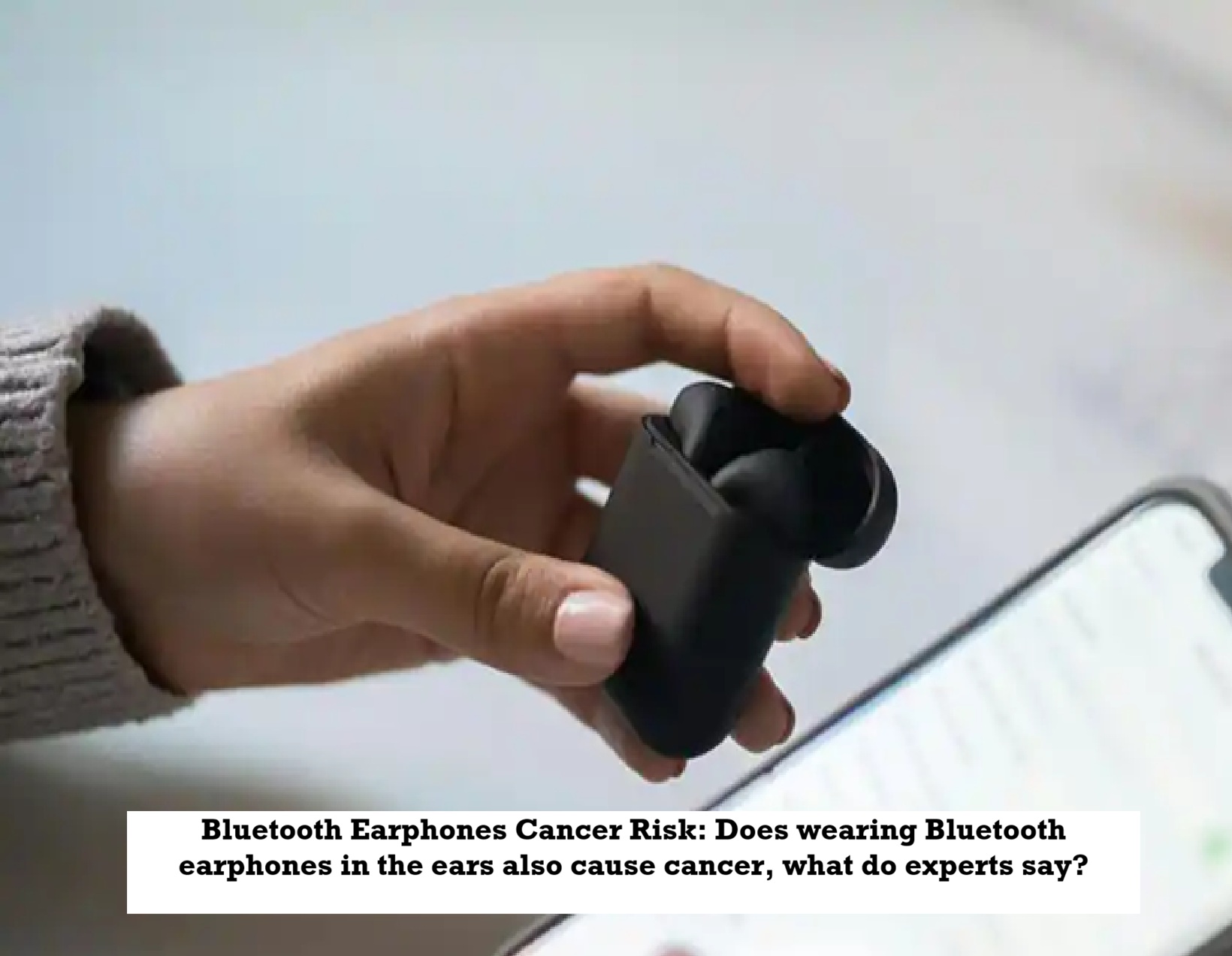
News Topical, Digital Desk : Do Bluetooth Earphones Cause Cancer: Nowadays, you'll find Bluetooth earphones in the ears of every person walking or working. It's become so common that Bluetooth wireless headphones have become a common technology these days, but people often wonder if using them could be harmful to their health. It's true that Bluetooth devices emit radiation, but that doesn't mean wireless earbuds pose an immediate risk.
In 2015, a group of scientists signed a petition expressing serious concern about potential health risks, such as cancer, from non-ionizing electromagnetic field technology. Bluetooth devices use this EMF technology. However, the National Cancer Institute clearly states that no scientific evidence has been found to directly link the use of wireless devices to cancer or other diseases. On the contrary, the organization considers Bluetooth a relatively safe way to use a mobile phone. So, the question arises: what is the risk of serious health risks like cancer from wireless headphones using Bluetooth technology?
What is the risk of cancer?
Bluetooth is a technology that creates a short-range wireless connection between two devices. It uses short-range radio frequencies to connect nearby devices. Bluetooth devices use radio frequency radiation, a form of electromagnetic radiation that propagates in waves through electric and magnetic fields. RF radiation exists in both natural and artificial forms. Mobile phones, M-FM radio, and television also emit this type of radiation.
What do experts say?
According to Ken Foster, bioengineering professor emeritus at the University of Pennsylvania, Bluetooth devices emit slightly less radiation than mobile phones. If a person uses Bluetooth headphones for several hours a day, the exposure may increase, but it is still less than talking while holding a mobile phone directly to the ear.
What is the connection between radiation and cancer?
There are two main types of radiation: non-ionizing and ionizing. Non-ionizing radiation doesn't have enough energy to remove electrons from atoms, while ionizing radiation can. Non-ionizing radiation, such as RF radiation, is lower in energy and generally considered less hazardous to health. Meanwhile, ionizing radiation, such as X-rays or radioactive waste, can damage tissue and DNA. If the body can't repair damaged cells, they can develop into cancer. Substances or exposures that cause cancer are called carcinogens. Some medical treatments, such as radiation therapy, fall into this category. However, based on current scientific knowledge, there's no strong evidence directly linking non-ionizing radiation from Bluetooth devices to cancer.
--Advertisement--