desk
desk Share
Share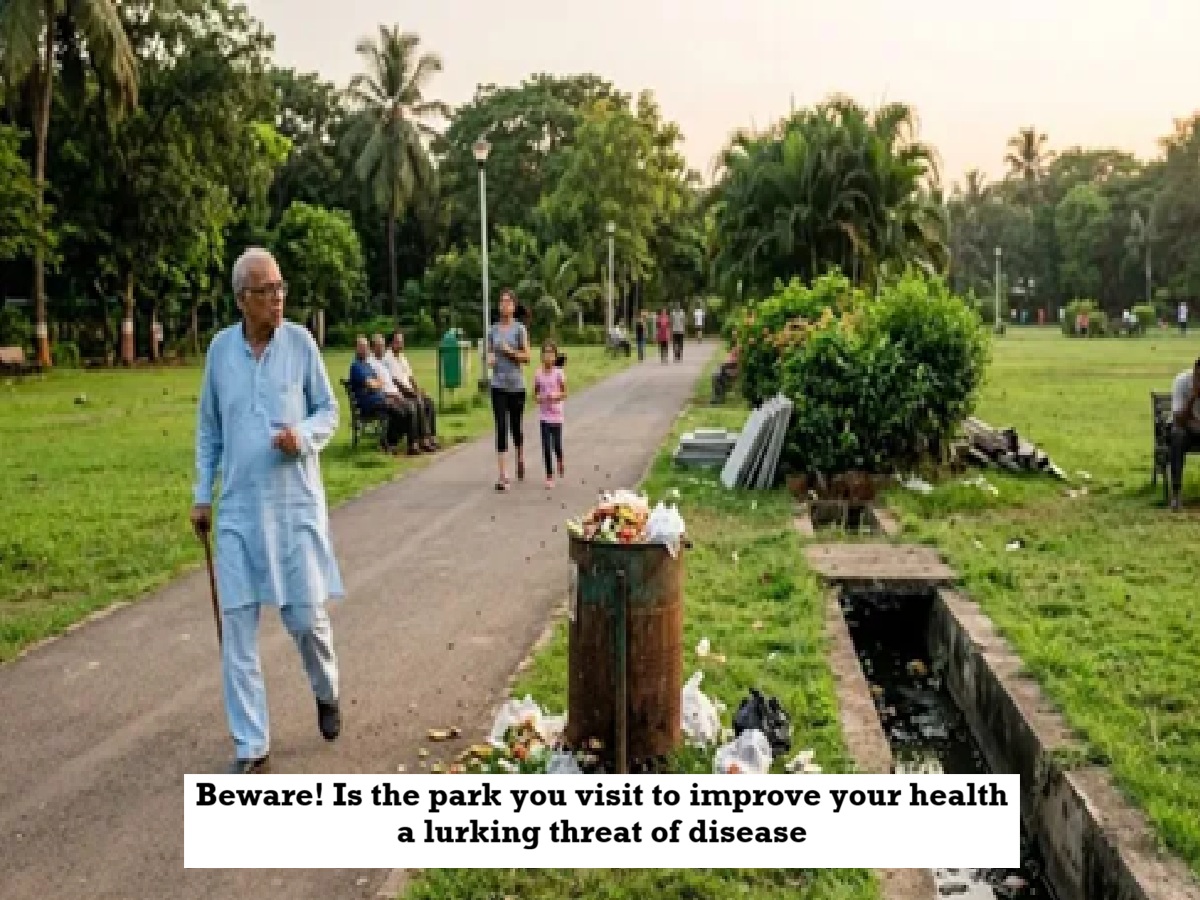
News Topical, Digital Desk : Parks are important for physical and mental health, as they allow us to spend more time in nature, but they are also ideal environments for the spread of infectious diseases. Many diseases in parks can be contracted through contact with infected animals and mosquitoes, insects, and fleas. Some diseases cause only mild symptoms, while others can have serious or lifelong consequences.
What is the connection between parks and diseases?
If you visit parks regularly, research suggests several factors may increase your risk of contracting the disease . Here are three key factors.
Domestic pets: Studies show that domestic animals such as cats and dogs can be a risk factor for disease. One reason for this is that when they defecate in parks and public gardens, they often contaminate soil and water sources. Domestic pets can also carry roundworms, which infect the animal's intestines. Research shows that more roundworms are found in parks where cats and dogs are present. This is especially dangerous for children under four years of age, who often eat soil.
Food Waste: Food-related waste, such as uncovered trash cans, is another source of disease. If not disposed of properly, food waste can attract rats, dogs, and other animals. These can expose park visitors to new diseases.
Disease-carrying insects and parasites: Mosquitoes and ticks are common vectors, or living organisms that carry diseases from one infected person or animal to another. Mosquitoes are a major concern in parks and green spaces.
What can we do?
Parks shouldn't be avoided for health reasons, even though they can be a breeding ground for disease. Instead, we should design parks with features that reduce the risk of infectious diseases. Fencing is one example. Fencing around playgrounds can protect children from exposure to insects. We can also create areas for dogs where they can roam free, preventing them from soiling the ground with feces or urine. Using rubber instead of sand under playgrounds makes cats less likely to use them as a toilet. We can also introduce predatory fish, such as Australian smelt and Pacific blue-eye, into water bodies. This will help control mosquito populations. These fish eat mosquito eggs and larvae.
Human role: Humans also spread germs. These include not picking up pet feces and not properly disposing of food waste. Feeding birds is particularly concerning, as it can have negative health effects.
Read More: IBS Problem: Soluble fiber is effective in treating stomach problems like IBS.
--Advertisement--