desk
desk Share
Share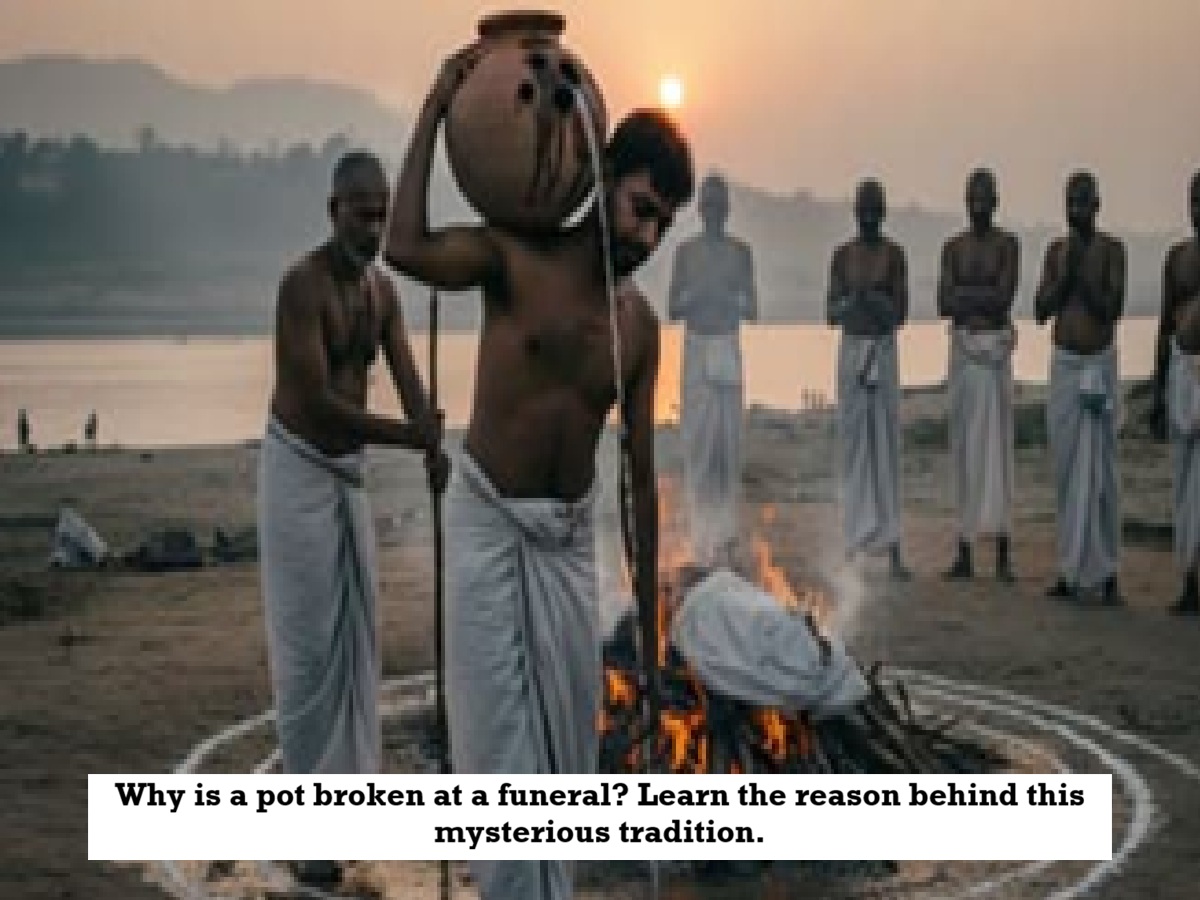
News Topical, Digital Desk : Death Rituals: In Hinduism, the last rites (funeral rites) are considered the most important of the sixteen sacraments of life. This is the stage where the soul is freed from worldly attachments. Several rituals are performed during the cremation, the most striking of which is the ritual of breaking the earthen pot. When the body is cremated, a person walks around the pyre carrying an earthen pot filled with water and finally breaks it by throwing it backwards. Have you ever wondered what the secret behind this tradition is? Let's find out.
Equality
According to the Garuda Purana, there are several reasons behind this. In the Sanatan tradition, the human body is compared to an earthen pot. "Kshiti Jal Pavak Gagan Samira, Panch Rachit Ati Adham Sharira." Just as an earthen pot is raw and ultimately merges with the soil, so too is our body. Breaking the pot symbolizes that this "earthen body" has now ended and its soul is free.
Renunciation of attachment
Even after death, the soul often wanders around, attached to its family and body. The ritual of breaking the pot is performed to signal to the soul that its connection with this body has been completely severed. The sound of the pot breaking and the water flowing out indicate that just as water cannot be held in a broken pot, the soul no longer has any place in this body.
The mystery of the three holes in the pot
According to religious beliefs , while circumambulating the pyre with the pitcher, three holes are made in it with a kusha (sharp) or a sharp object. These three holes symbolize the liberation from the three debts of human life: debt to the gods, debt to the sages, and debt to the ancestors. When the pitcher breaks, it is believed that the person has been freed from all these responsibilities and has merged with the soil.
Learning for all
This ritual serves as a lesson not only for the deceased but also for all those present at the cremation. The flowing water represents the rapid passage of life, and the breaking of the pot represents the inevitability of death. It also teaches us that everyone will one day return to the dust.
--Advertisement--