desk
desk Share
Share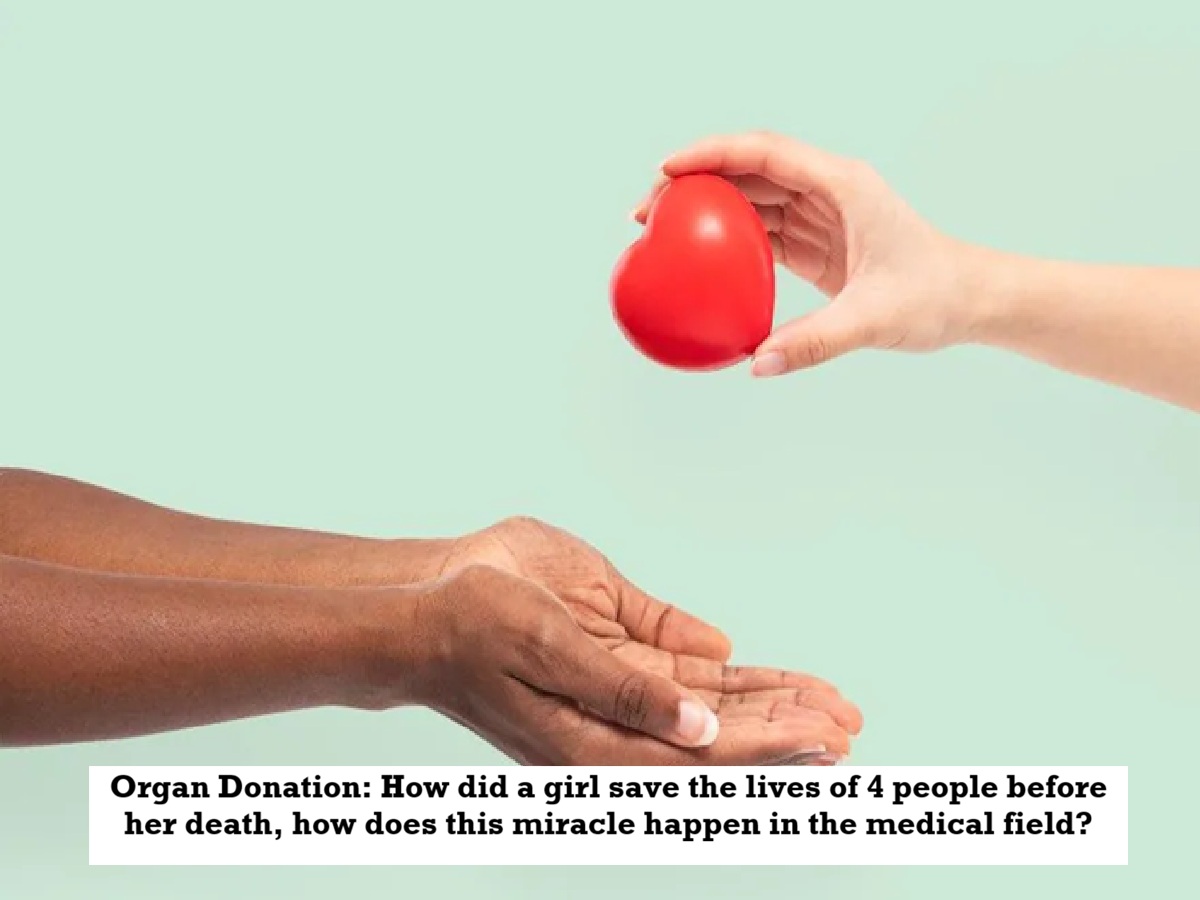
News Topical, Digital Desk : In Kerala, 10-month-old Aalin Sherin Abraham has set an example. She became the youngest donor. The girl's body was initially kept in the mortuary of a private hospital in Mallappally. Later, it was brought to her home in West Valummanil for the final rites, where people from far and wide came to pay their respects. The funeral was conducted with full state honours.
Although Alin has passed away, she has left behind a new light in four lives. Her organ donation gave life to patients suffering from serious illnesses. This is the true power of organ donation and transplantation. Let us explain how it works.
What is organ donation?
According to the health information website clevelandclinic, organ donation is the process of removing a healthy organ from a person and transplanting it into a patient whose organ has stopped functioning. This is a highly sensitive and time-consuming medical procedure. Two surgeries typically occur almost simultaneously: one to remove the organ from the donor's body and the other to transplant it into the patient in need.
How many types of organ donation are there?
There are two types of organ donation: donation after death and donation by a living person. In most cases, organ donation occurs after brain death has been confirmed with the consent of family members. Living individuals can also donate certain organs, such as kidneys, provided they are in good health and the organ is compatible with the patient in need. Organs such as the heart, liver, kidneys, lungs, pancreas, and intestines can be donated after death. Eyes, skin, bone marrow, and heart can also be donated.
Who is a donor?
According to doctors, almost anyone can be a potential organ donor. More important than age is the health of the organs and a medical examination. A timely decision can give many people a second life. The organ donation and transplant process is not easy. It goes through several steps. It begins with the decision to donate and ends with the medical procedure in which a healthy organ is removed from one person and successfully implanted into another person's body. This process depends on whether the organ donor is alive or donated after death.
The timeframe for post-death organ donation is very limited, as it is essential to safely retrieve the organs within a few hours of death. Delays can reduce the organ's usefulness. However, in the case of living donors, the process is carried out with thorough preparation and planning, with special attention paid to health screening, necessary consent, and safety measures.
Read More: Can drinking fruit juice increase blood sugar? Learn the truth.
--Advertisement--