desk
desk Share
Share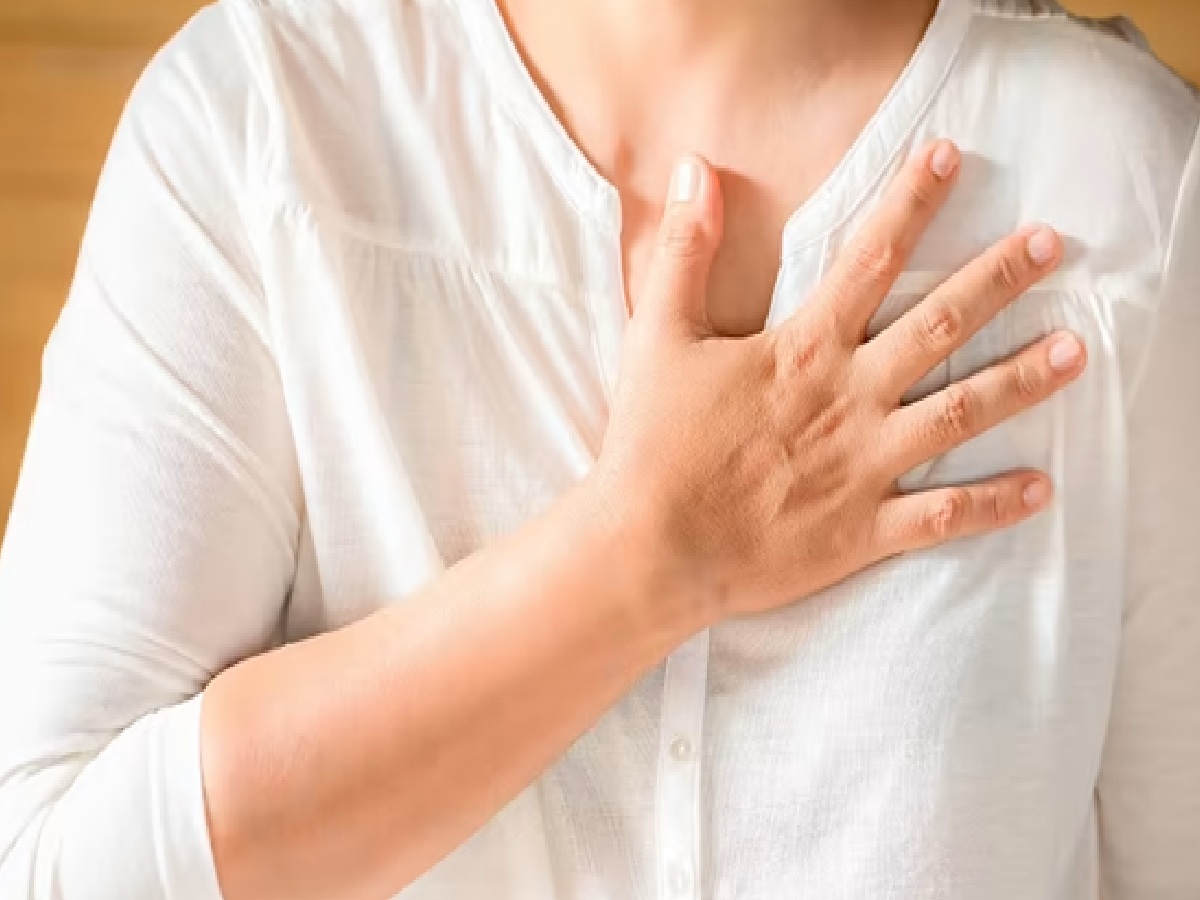
News Topical, Digital Desk : Heart attacks are one of the leading causes of death in women. Despite this, women often struggle to recognize the symptoms of a heart attack. But why is it that this life-threatening condition often goes undetected?
There are several reasons behind this. Let's explore why women often don't catch heart attack symptoms early.
Symptoms different from men
The most common symptom of a heart attack in men is severe chest pain or heaviness, like an elephant stepping on the chest. Women can also experience chest pain, but they often experience symptoms that are considered atypical:
- Shoulder, back, or neck pain – The pain may not be limited to the chest but may spread to the upper parts of the body.
- Extreme fatigue – Sudden weakness or extreme tiredness without exertion .
- Shortness of breath – Difficulty breathing even after walking a little or sitting.
- Digestive problems – feeling like an upset stomach, nausea, or indigestion, which is often overlooked as gas.
- Anxiety and restlessness – severe anxiety or sweating for no apparent reason.
These symptoms can occur with or without chest pain, which can make the woman unaware that the problem is heart-related.
Absence of coronary artery disease
Heart attacks in men are often caused by coronary artery disease, i.e., blockages in the arteries. However, heart attacks in women can sometimes occur without a blockage in a major artery. Because medical tests typically look for blockages in the major arteries, it can be difficult for doctors to detect early or unusual heart attacks in women.
Underestimating symptoms
Due to social and psychological reasons, women often don't prioritize their health. They dismiss symptoms as fatigue, stress, or the effects of aging. Delaying a hospital visit can miss the golden hour for treatment .
What to do for protection?
- Don't ignore symptoms – If you suddenly feel tired or pain that you never experienced before, don't ignore it.
- Understand the risk factors – Diabetes, high blood pressure, stress and weight gain after menopause increase the risk of heart disease.
- Immediate medical help – If you experience discomfort along with shortness of breath or back/shoulder pain, contact a doctor immediately.
Read More: Is this 'healthy morning drink' damaging your teeth.
--Advertisement--