desk
desk Share
Share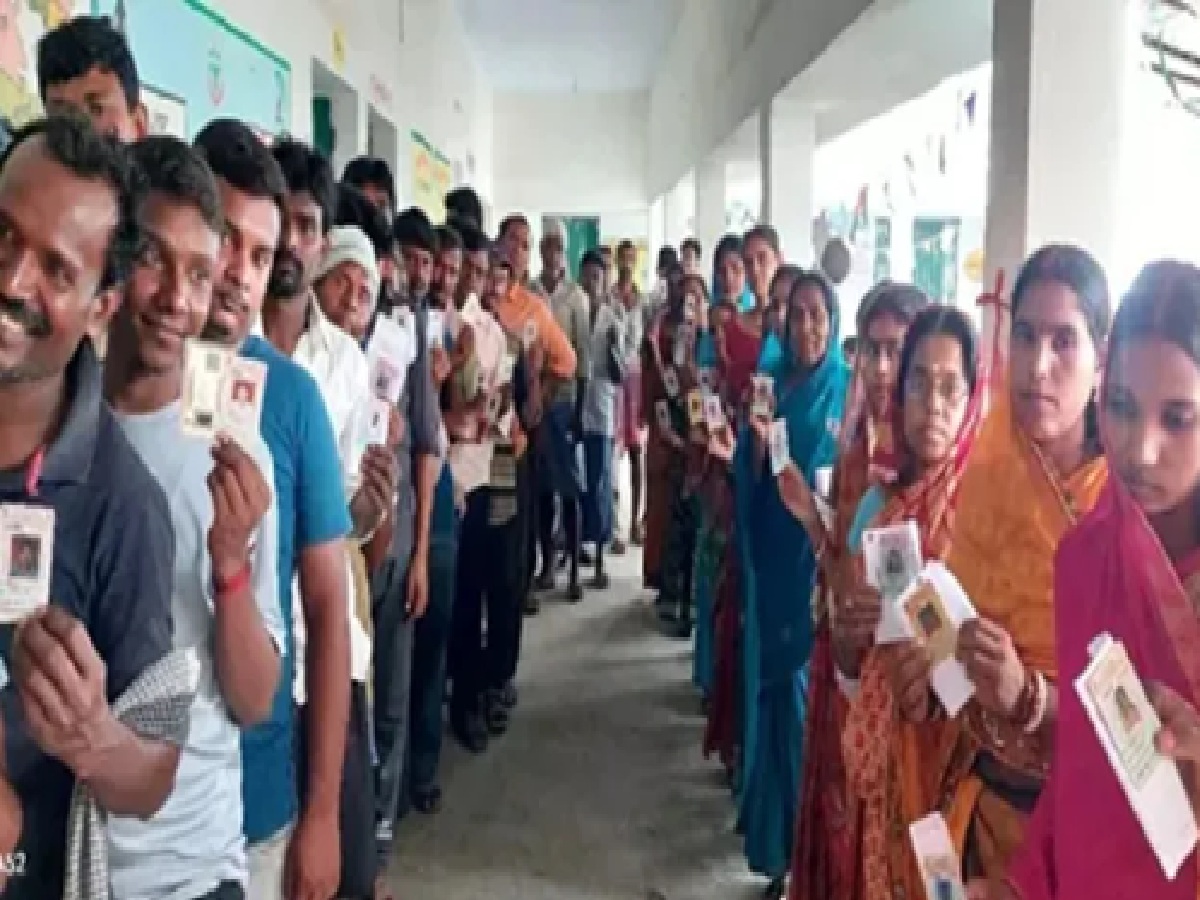
News Topical, Digital Desk : Elections are scheduled in five Indian states in April. 174 million voters are preparing to cast their ballots during this period. This raises the question of whether weather and climate change will have any impact on this process. This is a less visible but crucial factor in the democratic process.
Weather could change the voting process.
The assembly elections in West Bengal, Kerala, Assam, Tamil Nadu, and Puducherry cover a total of 824 constituencies. There are over 2.19 lakh polling stations. More than 2.5 million election officials have been deployed. Heat, humidity, and monsoon weather could impact the entire voting process.
The climate has changed rapidly in the last five years.
In India, the month of April has long marked the beginning of the pre-monsoon season, a time of increasing heat and sometimes storms. However, this trend is gradually changing. Data from the India Meteorological Department (IMD) shows that the weather in April has changed rapidly over the past five years. Temperatures have consistently been above normal.
Rain and heatwave in April
April 2022 was one of the hottest months on record, with temperatures 1.36°C above average. Subsequent years saw significant fluctuations in rainfall, ranging from a deficit one year to an excess the next. This also led to an increase in storms and lightning. For states with elections, this volatility translates into substantial risks.
The latest IMD forecast predicts widespread rain and thunderstorms in West Bengal and Assam before the polling day. These storms, often accompanied by lightning, could disrupt transportation, damage infrastructure, and keep voters away from the polls, especially in rural and flood-prone districts.
In eastern and northeastern India, these pre-monsoon storms are known as "Norwesters" or "Kal Baisakhi." These storms last for a short time but are powerful enough to cause significant damage.
To the south, a different kind of threat looms.
Tamil Nadu and Kerala are bracing for intense heat, exacerbated by high humidity. Such conditions increase the risk of "wet-bulb" temperatures, a dangerous condition in which the human body struggles to cool itself, increasing the risk of heat exhaustion and heat stroke.
Changes in climate patterns are no longer common occurrences.
Along the east coast, including parts of West Bengal and Tamil Nadu, heat waves are expected to persist for longer than usual. This adds another layer of pressure to an already challenging electoral process. Experts say these changes are no longer normal events, but part of a broader climate pattern.
India's election officials have begun adapting to this new reality. The Election Commission of India has extended early voting hours, which now typically run from 7 a.m. to dusk, to allow voters to avoid the intense heat. Real-time polling station trackers are intended to reduce crowding, while voting from home has been extended to certain vulnerable groups.
All of this suggests that in April 2026, the voting process will remain the same. But the environment in which this is happening is changing. This makes it clear that climate change is no longer merely a distant backdrop to elections. Rather, it could play an active role.
Read More: Asha, who cycled 5,700 km across India, reached Kolkata, inspiring NCC cadets.
--Advertisement--