desk
desk Share
Share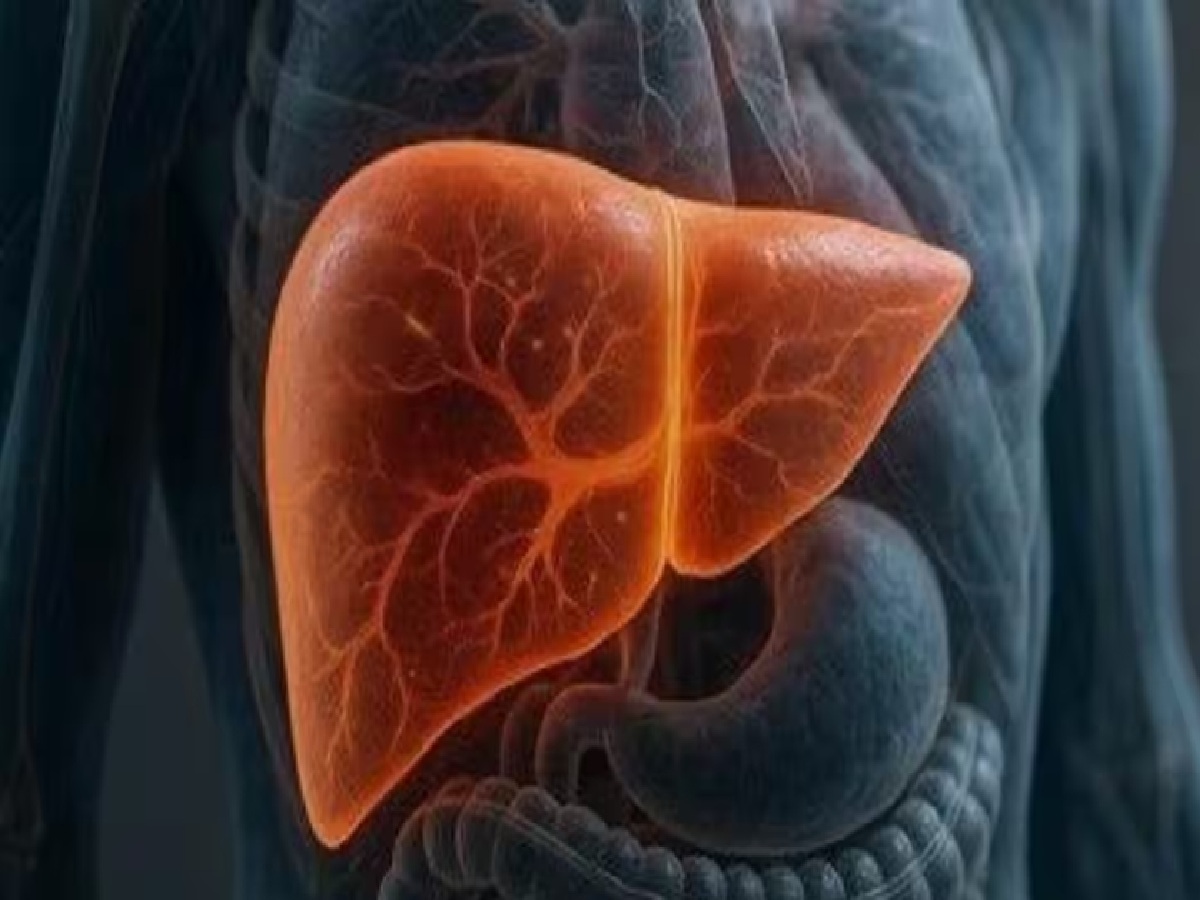
News Topical, Digital Desk : Doctors are expressing concern about a surprising trend these days. Liver cirrhosis, once thought to be a disease associated with alcoholism, is now increasingly occurring even in people who drink little or no alcohol. The underlying causes are our daily habits: poor eating habits, weight gain, diabetes, and a sedentary lifestyle.
It is a silent killer
This disease is often called a silent killer because it slowly damages the body without any major symptoms. By the time its symptoms become apparent, the liver is already severely damaged. Dr. Wasim Ramzan Dar told TOI that cirrhosis was previously associated solely with alcohol, but now it is also linked to lifestyle diseases like obesity, poor diet, diabetes, and fatty liver.
How does liver cirrhosis occur?
The liver is a vital organ, responsible for digesting food, filtering toxins, and maintaining a balanced metabolism. However, when it is repeatedly stressed, whether due to fat accumulation, infection, or other factors, scar tissue gradually forms. This condition eventually leads to cirrhosis. Early symptoms are so mild that people often ignore them, such as persistent fatigue, loss of appetite, mild stomach discomfort, or unexplained weight loss. Many people dismiss these symptoms as stress or lack of sleep. However, as the disease progresses, symptoms become more severe. Signs include abdominal swelling, yellowing of the skin or eyes, frequent infections, and weakness.
What do experts say?
According to Dr. Shankar Kumar Gupta, liver cirrhosis isn't just a disease of one organ; it affects the entire body. Digestion, immunity, and blood circulation are all affected. Most importantly, if diagnosed early, the condition can be managed to a large extent. Tests like liver function tests, ultrasound, and fibrosis screening are used. In the early stages, lifestyle changes can slow or even partially reverse the damage.
Cases are increasing in India
Cases of non-alcoholic fatty liver disease are rapidly increasing in India. According to reports, one in three people in urban areas may suffer from this problem. This is why taking it lightly can be dangerous. Prevention doesn't require drastic measures; improving small habits is enough. Eating healthy home-cooked food, getting a little exercise daily, keeping weight and diabetes under control, avoiding medications without a doctor's advice, and getting regular checkups can all help maintain a healthy liver for a long time. Doctors say that if the disease reaches an advanced stage, treatment becomes very difficult and expensive. In many cases, liver transplant is the only option left.
--Advertisement--