desk
desk Share
Share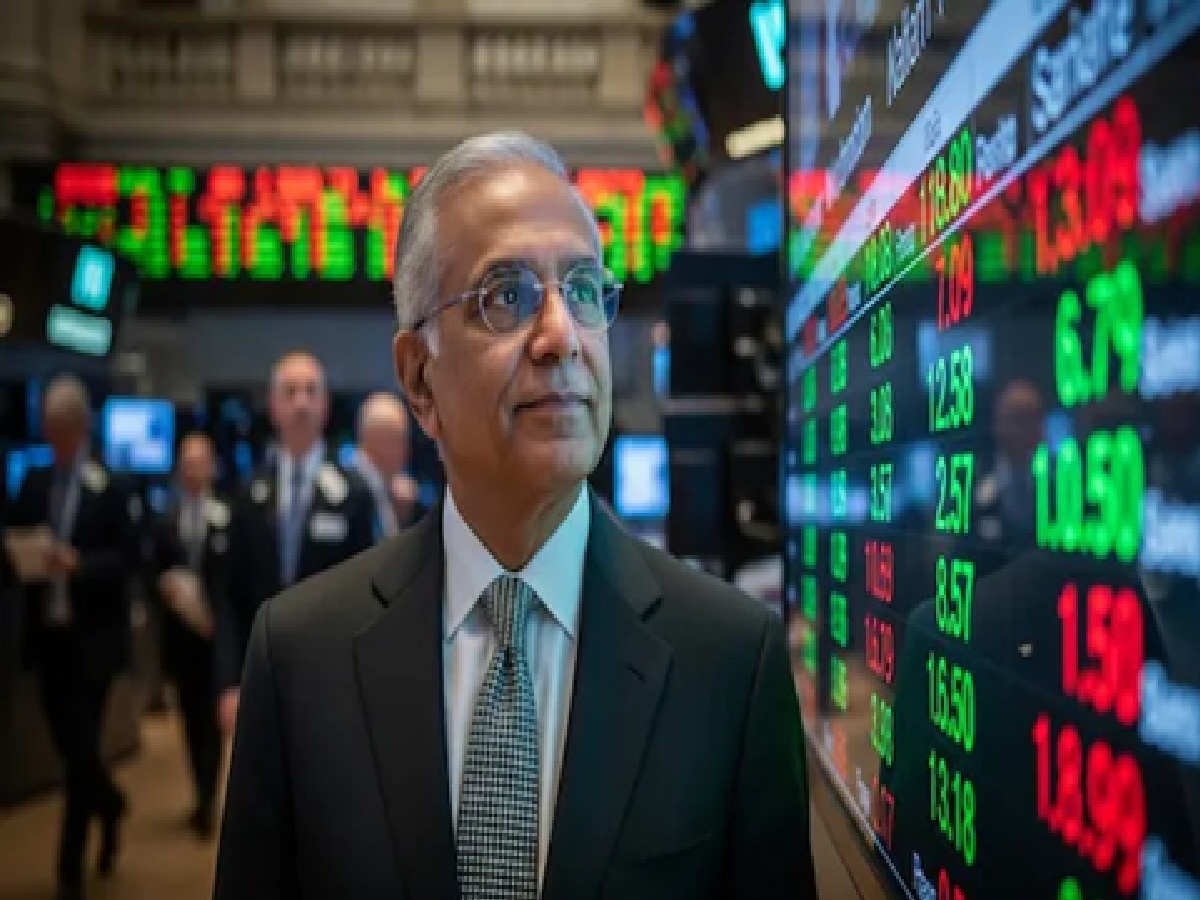
News Topical, Digital Desk : On the night of April 9th, US stock markets once again demonstrated that even amid global tensions, the market can determine its own direction. The Dow Jones closed higher for the second consecutive day, gaining nearly 270 points, while the S&P 500 recorded its longest consecutive rally since October 2025. The S&P 500 gained 0.6% and the Nasdaq gained 0.8%. Interestingly, despite the selloff in software stocks, the overall market direction remained positive, indicating that investors remained broadly confident in the market.
Although he later clarified that no ceasefire had yet been implemented, the market took this as a positive sign towards potential stability. Meanwhile, Donald Trump's statement, in which he stated that Iran was not properly managing oil movement through the Strait of Hormuz, also made headlines. Reports indicate that shipping in the region has been severely restricted, with only five ships transiting the route in the past 24 hours. It also indicated that only 15 ships may be allowed to pass daily during the ceasefire. However, the IRGC clarified that no missiles have been launched during the ceasefire, which appears to have somewhat contained tensions.
The impact of the war was also clearly visible on the oil market. Oil exports from six Arab countries fell 44% in March compared to February, from 469 million barrels to 263 million barrels. Countries like Iraq, Kuwait, and Qatar were the hardest hit, with exports falling by 70% to 82%. A loss of approximately 206 million barrels was estimated, valued at approximately $16.4 billion. Saudi Arabia's production capacity was also cut by approximately 600,000 barrels per day. Data on the US economy also supported the market. Core PCE inflation was 3% and total PCE inflation was 2.8% in February, in line with estimates. Both increased 0.4% month-on-month. Although Q4 GDP growth was lowered from 0.7% to 0.5%, jobless claims fell to a two-year low, indicating a strengthening employment market.
The market is now eyeing the March CPI data, which is expected to reflect the first full impact of the war and rising oil prices. Inflation is expected to rise by 0.9% to 1%, which would be the fastest increase since 2022. If this happens, it could have a significant impact on both the Fed's future policy and market direction.
Read More: Share Market News: Sensex jumps 4200 points in 1 week, eight big companies gain Rs 4.13 lakh crore
--Advertisement--