desk
desk Share
Share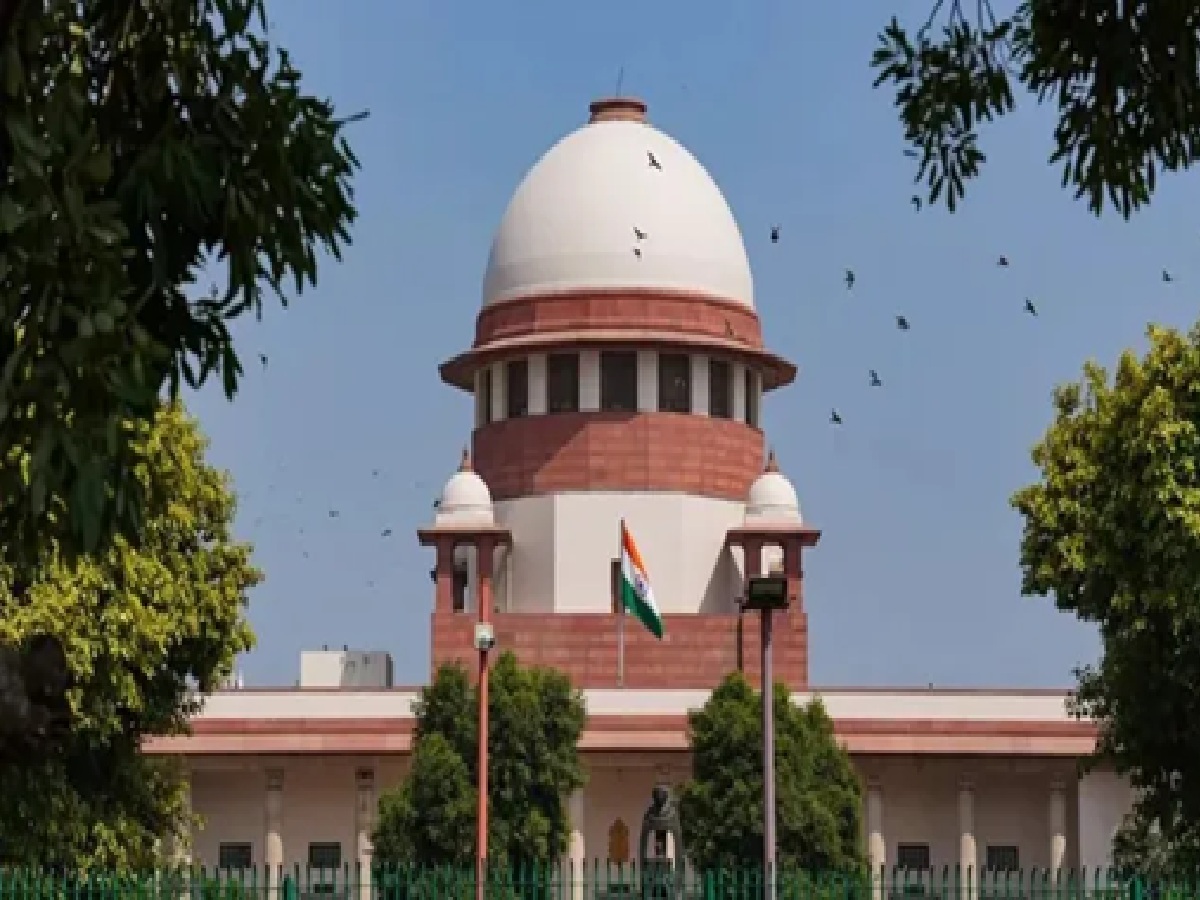
News Topical, Digital Desk : The Supreme Court on Monday sought response from the central government, all states and union territories on a plea seeking full implementation of the Right to Education (RTE) Act and the National Education Policy (NEP) 2020.
A bench of Chief Justice of India (CJI) Surya Kant and Justice Joymalya Bagchi took the step while hearing a PIL filed by Haripriya Patel seeking strict implementation of the law providing free and compulsory education to children between the ages of six and 14, and making the provisions of the New Education Policy effective across the country.
What does the petitioner have to say?
During the hearing, the petitioner's counsel emphasized the legal basis for mandatory pre-primary education across the country and its implementation. Currently, the RTE Act primarily focuses on children between the ages of six and 14, but the petitioner argues that the early years of a child's development are equally important, and a standardized legal framework is essential.
Furthermore, the petition also demands the full implementation of the National Educational Policy (NEP) 2020. This policy, which replaces the decades-old 10+2 structure with a 5+3+3+4 model (3-18 years), focuses on skill development and flexible education.
The petition said that students from every part of the country should get the benefit of modern subjects like vocational training, AI, coding and multilingualism from class six.
What did the court say?
Given the gravity of the issue, the court said it wanted to review the current status of these provisions. The Chief Justice said, "We are issuing notice. We want to examine this matter."
--Advertisement--