desk
desk Share
Share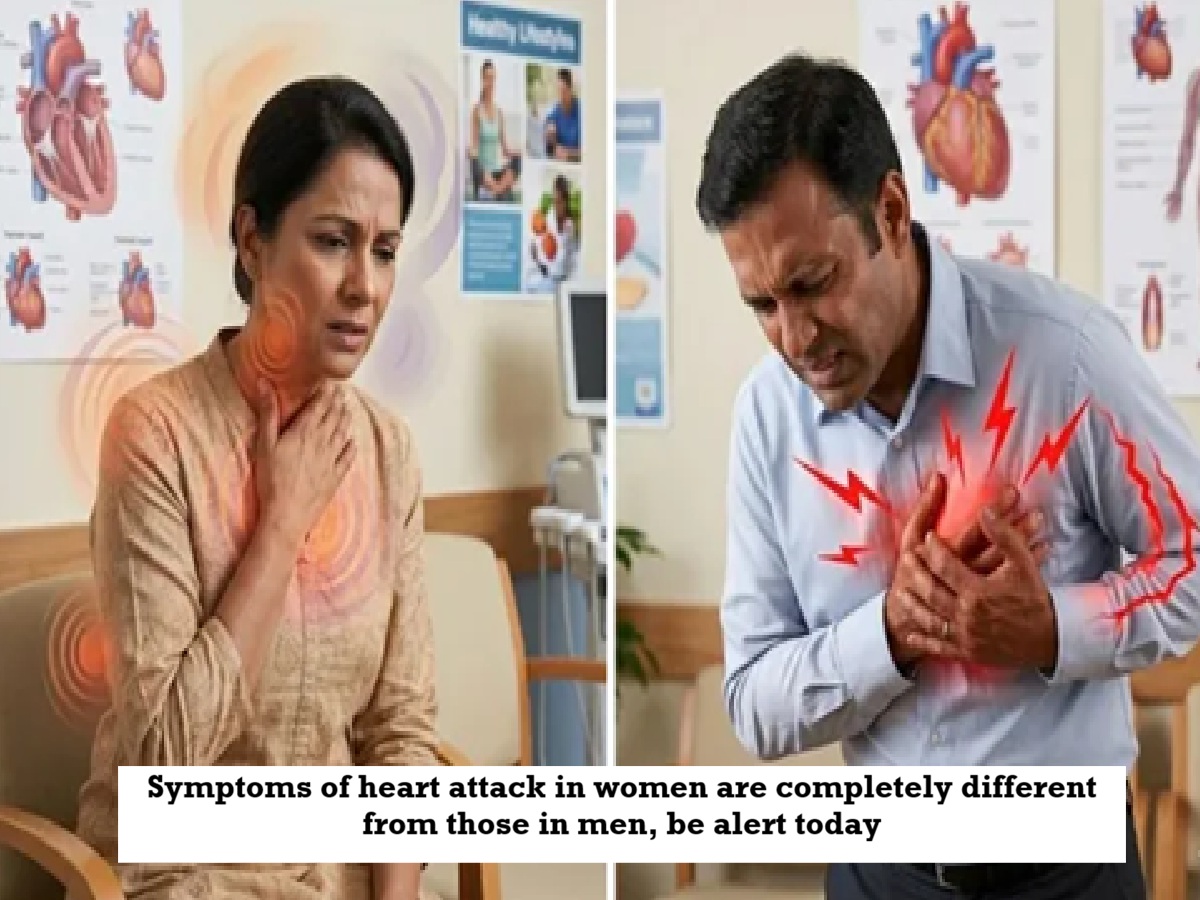
News Topical, Digital Desk : Women often ignore fatigue, weakness, and persistent pain, attributing them to their daily routine. These can also be symptoms of a weakened or ailing heart. In such cases, it's essential to be vigilant and consult a doctor immediately...
The symptoms of heart diseases are different in men and women. The biggest problem for women is that they do not get timely treatment due to ignoring the symptoms for a long time. Although women have a natural protective shield due to estrogen, but after the age of 50, the effect of this protection decreases. According to a recent data, there has been a 20 percent increase in cardiac cases among women in the last few years. In such a situation, if we take the symptoms seriously in time, then such problems can be prevented to a great extent.
Higher risk after menopause
Heart-related problems are becoming more common in women. However, the causes and symptoms behind this problem are different in men and women. This problem is often seen in women after menopause, i.e. after the age of 45 to 50. Before menopause, the amount of estrogen is abundant. This keeps the blood vessels healthy and the good cholesterol (HDL) remains balanced. This is the cholesterol that protects the heart. It also provides protection from bad cholesterol LDL. After menopause, estrogen suddenly decreases, due to which the cholesterol balance gets disturbed.
Many factors will have to be kept in mind
Other factors are also responsible for heart problems in women , such as polycystic ovarian syndrome, which also increases the risk of heart disease. Early menopause or pregnancy can also cause this problem. We must understand that the heart arteries of women are smaller and the blood vessels are thinner than those of men. Blockages often occur in these thin and small arteries. Blockages in these small arteries often go undetected. This is why the symptoms in women are very different from those in men. They may not be as obvious, but they are certainly dangerous.
Don't ignore everyday fatigue and weakness
Women experience daily fatigue, thinking it's due to routine, and therefore tend to ignore these symptoms for long periods. Similarly, chest pain that spreads to the neck and shoulders is a significant symptom. Heart problems can also cause symptoms like dizziness and fainting. If you suddenly feel weak, nervous, or your heart rate increases, you should consult a doctor immediately.
Who is at greater risk?
Women who have reached menopause, those with a family history of heart disease, or those with conditions like diabetes and blood pressure need to be more vigilant about their heart health. Smoking, alcohol consumption, and mental stress are also major risk factors. Chest pain during pregnancy should not be ignored. Since heart problems in women are difficult to identify, efforts should be made to recognize these symptoms early and consult a doctor if they develop problems.
Keep an eye on risk factors
- If you are over 45 years of age and frequently feel chest pressure.
- If you are short of breath, sweating or feeling weak.
- If you feel like vomiting and the pain reaches the neck, you should immediately consult a doctor.
Improve your habits to prevent
- To avoid heart problems, make a habit of eating healthy and balanced food.
- Exercise regularly, keep your weight, blood pressure and sugar under control.
- Stay away from smoking or alcohol, ultra processed foods, etc.
- Get enough sleep and avoid mental stress.
- Be sure to get your health checked regularly.
Read More: Is this 'healthy morning drink' damaging your teeth.
--Advertisement--