desk
desk Share
Share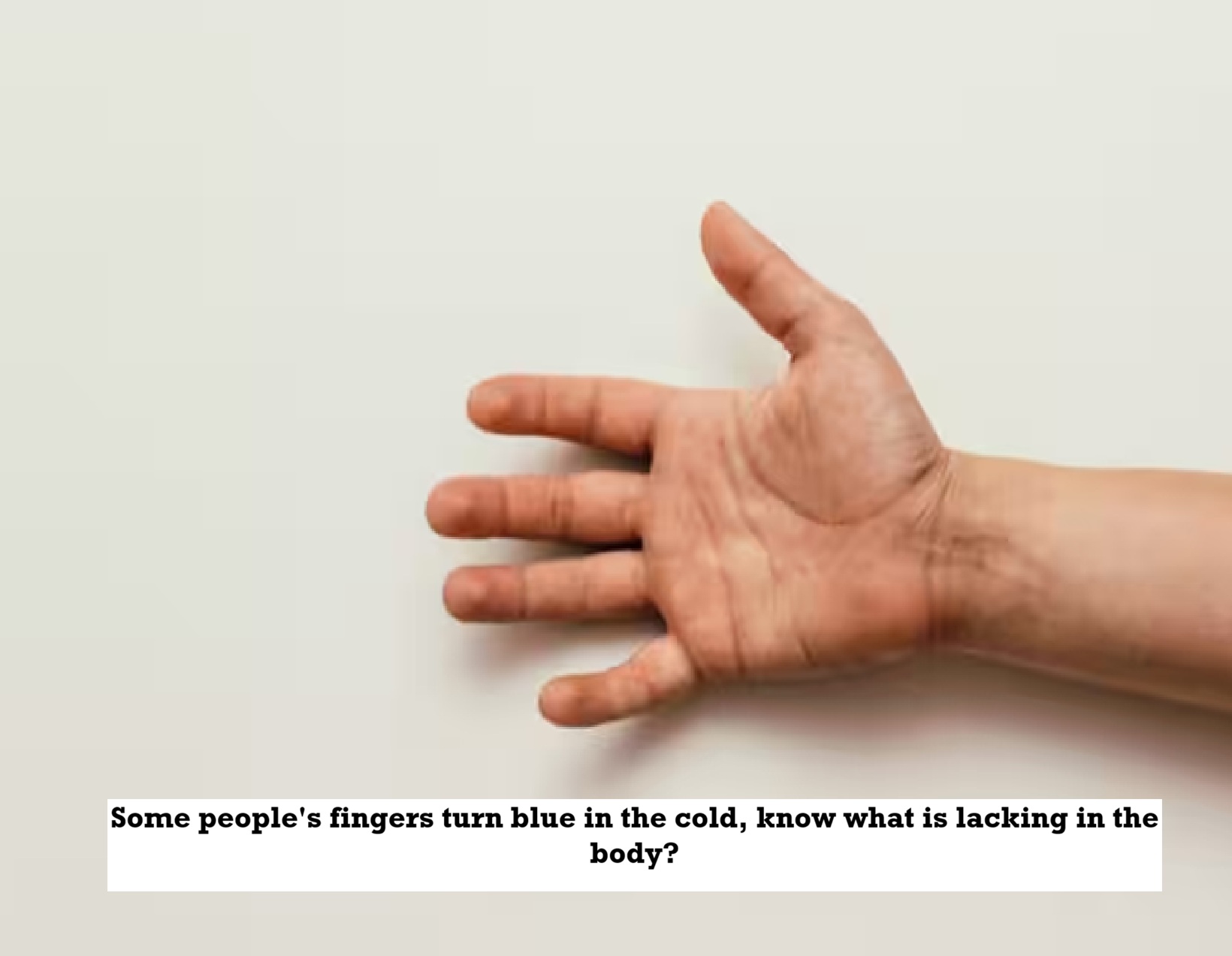
News Topical, Digital Desk : As winter approaches, many people's fingers suddenly turn white, blue, or purple. This is accompanied by tingling, pain, and swelling. People often dismiss this as a common cold , but it could be a sign of Raynaud's syndrome . This problem is especially common in women under 40.
Especially in people who alternate between hot and cold water or spend long periods of time in cold environments. So, let's explain what's causing your fingers to turn blue in the cold.
Why do fingers turn blue in the cold?
In Raynaud's syndrome , the arteries in the fingers and toes constrict when exposed to cold. This reduces the supply of pure blood and oxygen to the fingers . When there is a lack of oxygen , the fingers first turn white, then blue, and later red. When blood circulation stops, the fingers become numb , burning, and painful. Furthermore, if this happens repeatedly, wounds can also form on the fingers. This problem can also be triggered by sudden stress, and some people start experiencing symptoms even in moderate cold temperatures of 60 to 70 degrees Fahrenheit .
Which people are most at risk?
People in the hotel and catering industries , laborers who operate vibrating tools , those who frequently expose their hands to hot and cold water, and women who do household chores are most at risk for blue fingers. According to doctors , approximately 60 percent of patients present to outpatient departments during the winter with symptoms of this condition. Negligence can lead to blackening of the fingers, and in severe cases, tissue damage.
How to prevent this?
To prevent Raynaud's , try to avoid contact with very cold water, avoid walking barefoot in the house, avoid putting your hands in the refrigerator or standing in front of it. Furthermore, avoid applying detergent or laundry soap directly to your hands, wear woolen gloves and socks, and always wear rubber gloves when washing dishes . Initially, Raynaud 's can be treated with medication, but in some cases, the temperature of the hands is controlled using biofeedback techniques . If medication doesn't provide relief, surgery may be necessary if the problem worsens.
Read More: Is this 'healthy morning drink' damaging your teeth.
--Advertisement--