desk
desk Share
Share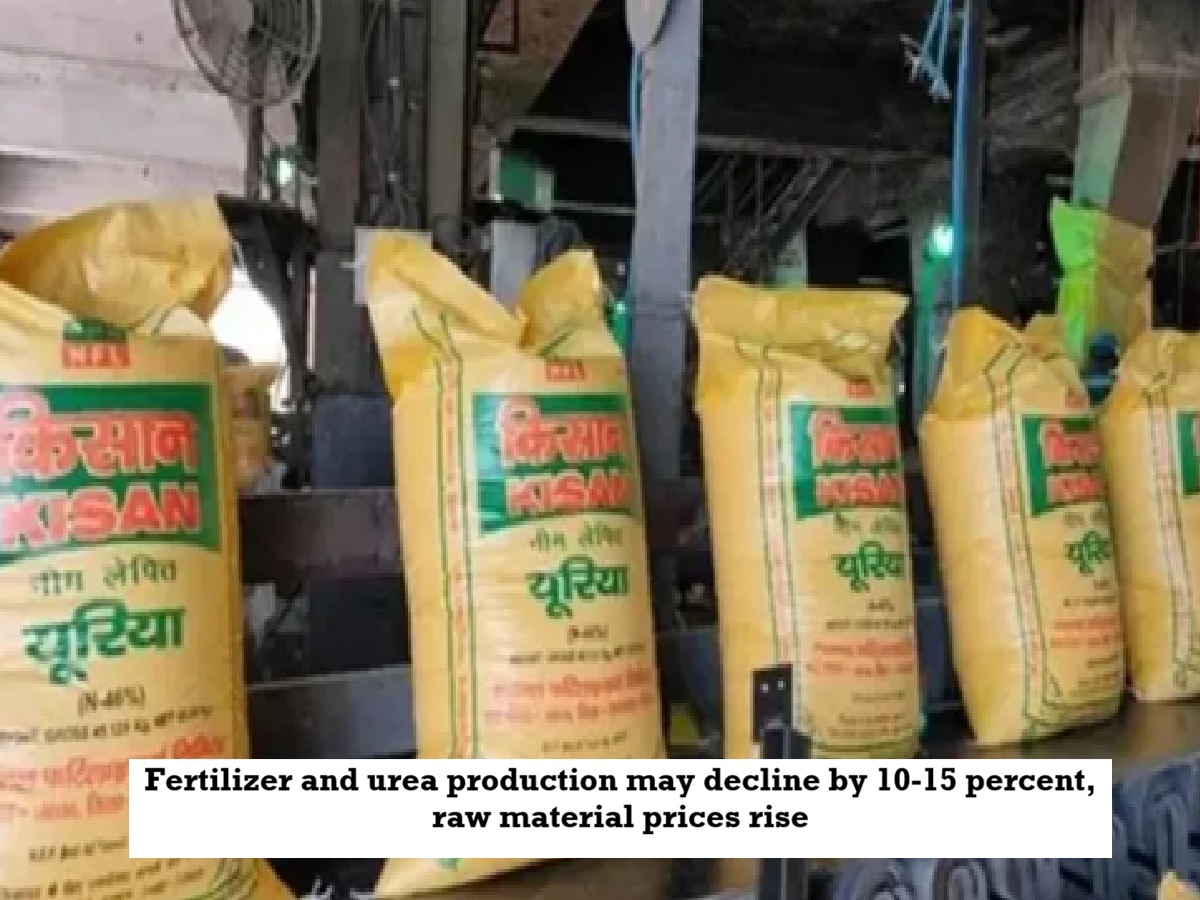
News Topical, Digital Desk : Supply chain disruptions due to the ongoing conflict in West Asia could impact annual domestic production of fertilisers and urea by 10-15 per cent.
Crisil Ratings has said in its report that the increase in the prices of raw materials and imported fertilizers may increase the working capital requirement of the companies and also the subsidy bill of the government may increase by Rs 20,000-25,000 crore.
However, the report said that strong liquidity of major fertilizer companies and support from the government by providing subsidies to the sector from time to time could provide support.
Urea accounts for 45 per cent of total fertiliser consumption in India, while complex fertilisers (diammonium phosphate or DAP, nitrogen, phosphorus and potassium) account for one-third.
Single super phosphate (SSP) and muriate of potash (MOP) make up the remaining portion. Import dependence in the fertilizer sector remains significant. About 20 percent of urea and one-third of complex fertilizers (mainly DAP) are imported.
In addition, the key raw materials required for urea (natural gas, which accounts for about 80 per cent of the total raw material cost) and complex fertilisers (ammonia and phosphoric acid) are also mostly imported.
West Asia remains a significant import destination for both urea and DAP, accounting for approximately 40 percent of total imports in the first nine months of FY2026 (up from 42 percent in FY2025 and 28 percent in FY2024).
The dependence on West Asia is even greater when it comes to domestic fertilizer production. Around 60-65 percent of liquefied natural gas (LNG) and 75-80 percent of ammonia imports come from this region.
Read More: A chilling incident in Chhattisgarh: A paranoid lover stabbed a constable's wife and son to death.
--Advertisement--