desk
desk Share
Share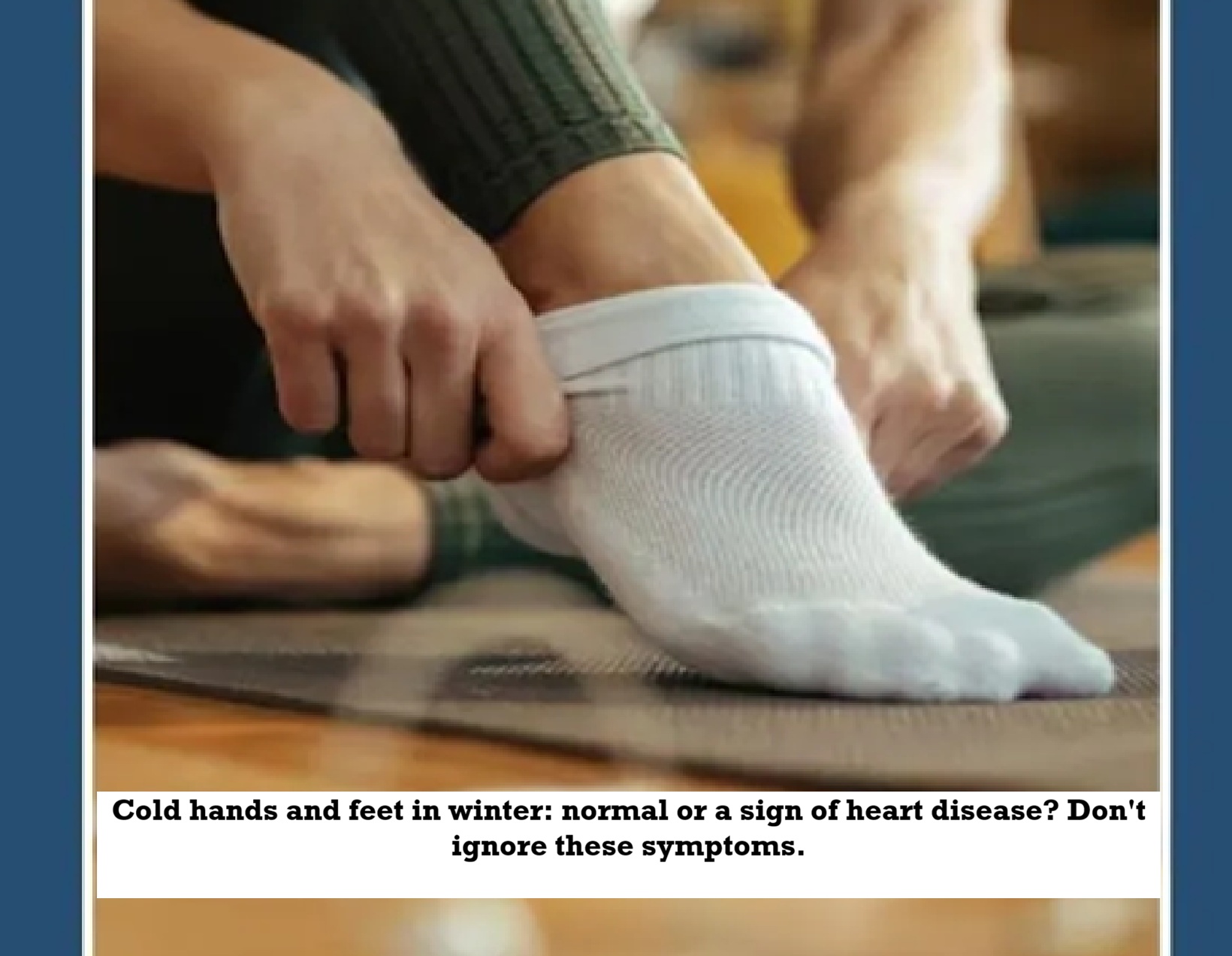
News Topical, Digital Desk : It's common for hands and feet to become cold during the harsh winter, but have you ever wondered why? We often dismiss it as a minor issue, but it could be a sign of a serious underlying condition (Causes of Cold Hands and Feet).
Yes, so if your hands and feet are always cold or have a hard time warming up, it could be a sign of a serious problem (Reasons of Cold Hands and Feet). Let's learn when cold hands and feet can become a cause of concern in winter.
natural reaction of the body
- When the outside temperature drops, our bodies prioritize protecting vital organs, such as the brain, lungs, and kidneys. This process causes blood vessels to constrict, a process called vasoconstriction.
- In this condition, the blood flow of the body gets concentrated mainly towards these important organs, due to which adequate amount of blood does not reach the hands and feet.
- This is why they may feel cold, appear pale or blue, and experience numbness or tingling . During this time, the heart has to work harder to pump blood through the body, which can increase blood pressure and heart rate.
When can it become a serious problem?
If your heart isn't working properly or your blood circulation is poor , your hands and feet may feel colder than usual. This could be due to several health conditions, including:
- Heart problems – high blood pressure, low blood pressure, heart failure and peripheral artery disease.
- Other problems – thyroid problems, diabetes, anemia and excessive stress or anxiety.
- Effect of medicines – Some medicines, such as beta blockers, can also cause cold hands and feet.
- Raynaud's disease - This is a specific condition in which the fingers, toes, and ears become insensitive to cold. Small blood vessels become completely blocked by temperature changes, causing the affected area to turn white or blue. When blood supply returns, the area may become red and painful.
Prevention and precautionary measures
To improve your blood circulation and keep your body warm in winter, you can adopt some measures-
- Proper clothing: Always wear gloves and thick socks. Be careful not to place cold hands or feet directly on a heater or radiator, as this can cause skin burns.
- Regular exercise – Being physically active improves blood circulation and helps blood flow better throughout the body.
- Healthy Lifestyle- Eat healthy food and if you smoke, quit it immediately.
- Stress Management – Stress control is very important, especially if you suffer from Raynaud's disease.
When to see a doctor?
If your hands and feet remain cold despite being in a warm environment, your skin appears pale, blue, or blotchy, or you experience persistent pain, numbness, and ulcers on your feet, contact your doctor.
Read More: Heart Fights Cancer: A beating heart means it's fighting cancer, a new study raises hope
--Advertisement--