desk
desk Share
Share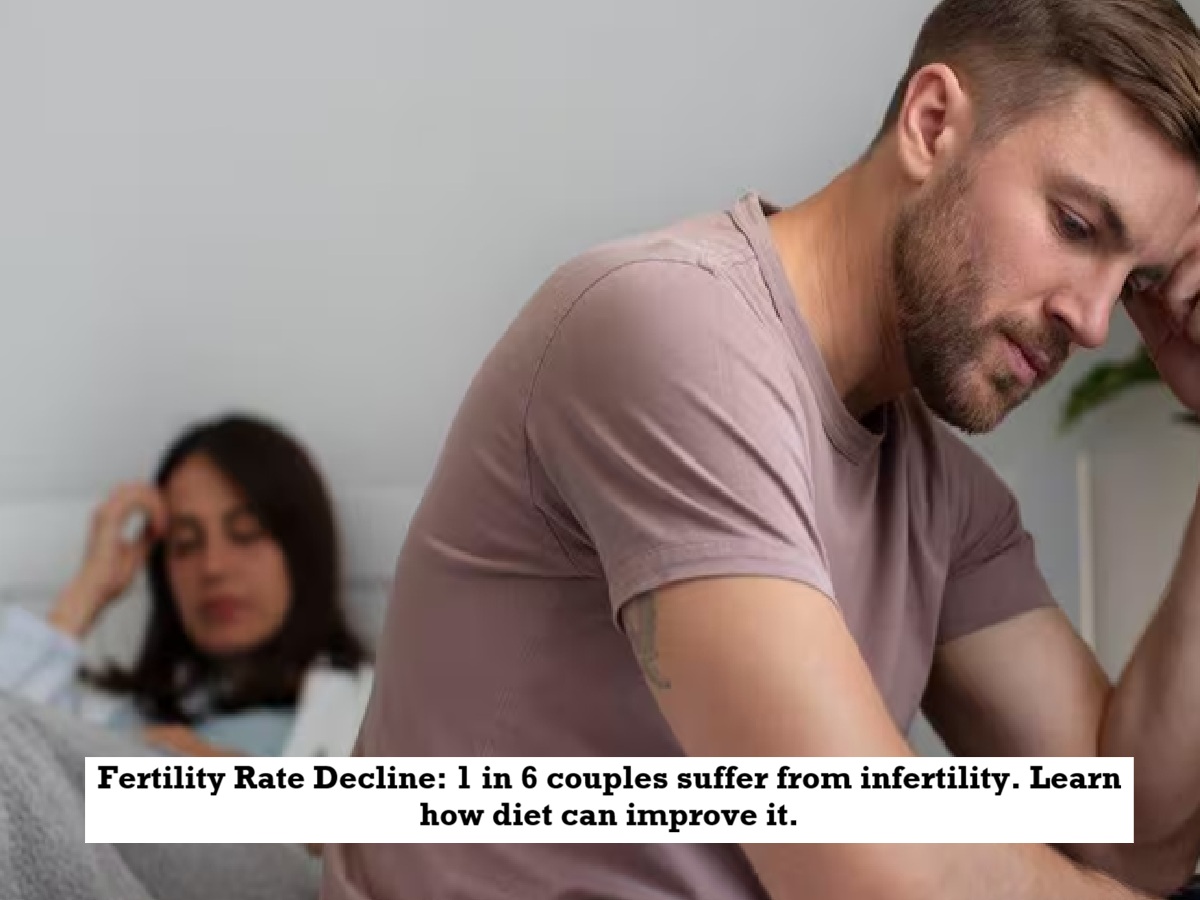
News Topical, Digital Desk : Fertility rates are steadily falling worldwide. Today, the situation is such that it has fallen below replacement level in almost two-thirds of the world's countries. According to Rachel Levy, Professor of Developmental and Reproductive Biology at the Faculty of Medicine, Sorbonne University, "Fertility is no longer just a personal issue, but a public health issue. 1 in 6 people suffer from infertility."
Lifestyle plays an important role
Sperm concentration in men has nearly halved over the past 50 years. Environmental factors, along with lifestyle factors, are playing a significant role in this, notably obesity and poor diet. Speaking at the Institut Benjamin Delsarte's annual event in Paris on January 31, 2025, Rachel Levy explained how modifiable habits impact infertility and the potential for improved fertility through proper nutrition.
Research has clearly shown a strong link between body mass index (BMI), diet, and sperm quality. Globally, fertility rates decline as BMI increases. In men undergoing medically assisted reproduction, overweight and obesity increase the risk of oligozoospermia and azoospermia, which reduce the likelihood of conception and live birth.
How to maintain a diet?
Diet directly affects sperm production. Several studies have shown that following a Mediterranean diet improves sperm quality and fertility. Furthermore, a father's diet before conception can also influence sperm DNA methylation, which impacts fetal development.
Hormonal imbalances, oxidative stress, inflammation, and epigenetic changes both pose risks and offer opportunities for improvement. Fortunately, in some cases, these effects can be reversed. One study found that regular physical activity and a balanced diet before conception improved metabolic and hormonal status, reduced sperm DNA damage, and improved the antioxidant capacity of semen.
What to eat to increase fertility?
The Mediterranean diet has been most studied for reproductive health. It includes green leafy vegetables, whole grains, lean proteins, and healthy fats. Vegetables like spinach and kale, quinoa and oats, fish, eggs, lentils, avocados, nuts, and olive oil are all considered beneficial for fertility.
What things should be avoided?
Highly processed foods, refined sugars, excessive caffeine, and alcohol can disrupt hormonal balance. Trans fats and excessive fried foods also increase inflammation.
Read More: Is this 'healthy morning drink' damaging your teeth.
--Advertisement--