desk
desk Share
Share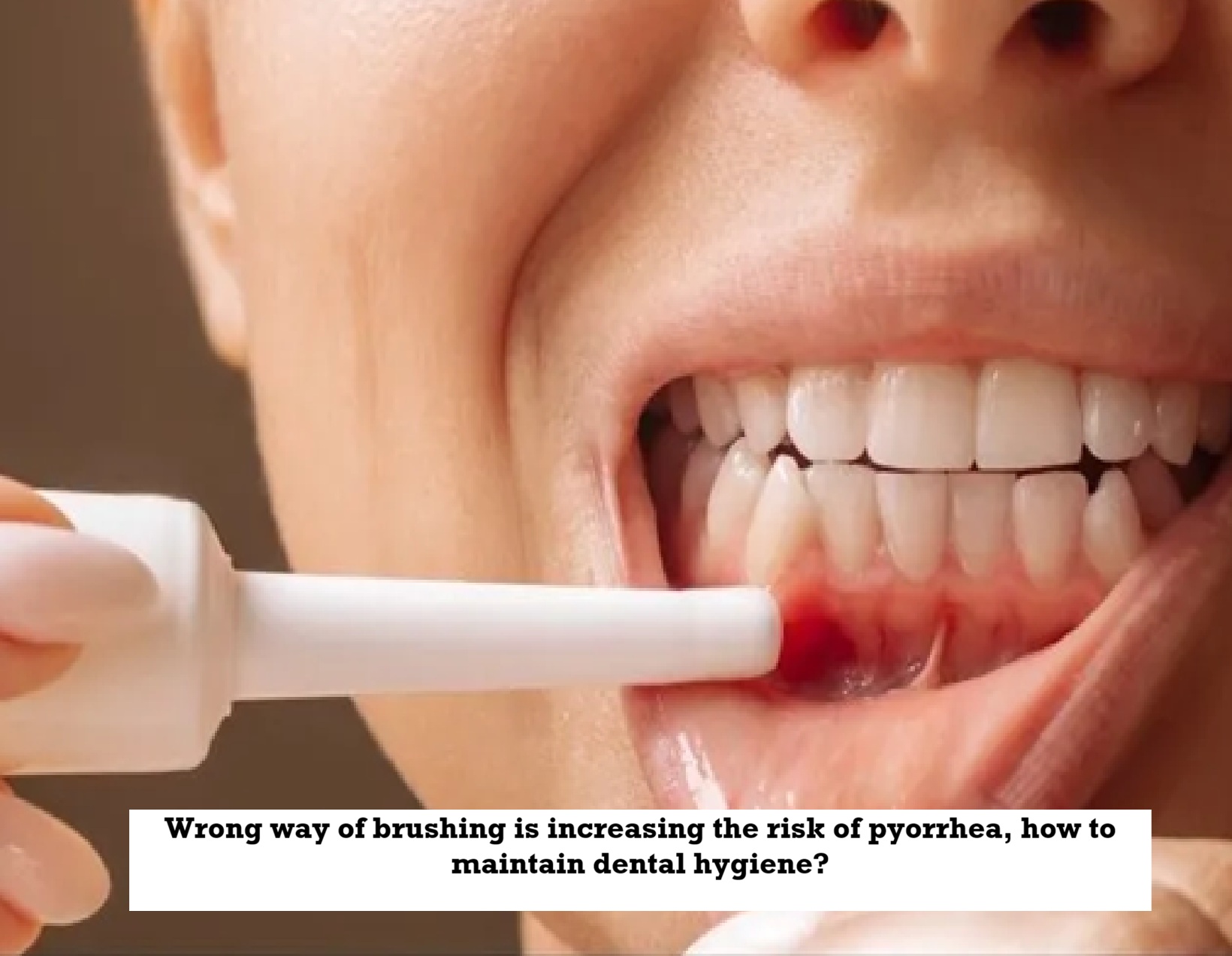
News Topical, Digital Desk : Not paying proper attention to oral hygiene can lead to bad breath and adverse effects on gums and teeth. One such problem is pyorrhea. Pyorrhea is a serious dental and gum problem, and ignoring it can be a sign of danger to your teeth. It's crucial to prevent it in a timely manner.
What to do if you have pyorrhea?
Correct brushing and flossing
To avoid dental problems, gently brush your teeth at least twice a day with a soft toothbrush. It's important to use floss daily to clean the spaces between your teeth.
healthy diet
Maintain a healthy diet for good dental health. Foods rich in vitamins C and D, calcium, and protein help prevent pyorrhea. Also, avoid sugary and sticky foods.
Avoid smoking and alcohol
Drinking alcohol is harmful to your health, as well as to your teeth and gums. It can negatively impact your dental health. Quitting alcohol can help speed up treatment.
Regular check-ups are necessary
Everyone should get regular dental checkups. This can help prevent problems with your teeth or gums. If you notice symptoms like bleeding gums, swelling, or loose teeth, consult a doctor immediately. Timely treatment can prevent serious problems.
Antiseptic mouthwash
Use an antiseptic mouthwash for good dental health. Mouthwash can reduce bacteria and soothe inflamed gums.
What not to do if you have pyorrhea?
rubbing the gums vigorously
Rubbing the gums vigorously can increase inflammation and bleeding, which significantly increases the risk of pyorrhea.
Unhealthy diet
Eating too much sugar, junk food, and hot or cold foods can be detrimental not only to your health but also to your teeth and gums. This can increase gum swelling and pain.
self-medication
Continuous use of antibiotics or pain relievers without doctor's advice can be harmful.
Teeth scraping or chewing sharp objects
Hard or sharp objects can damage the gums and increase the risk of loose teeth. So avoid these if you have dental problems.
Read More: Feeling stressed for no reason? Are you a victim of 'secondhand stress'? Learn how to prevent it.
--Advertisement--