desk
desk Share
Share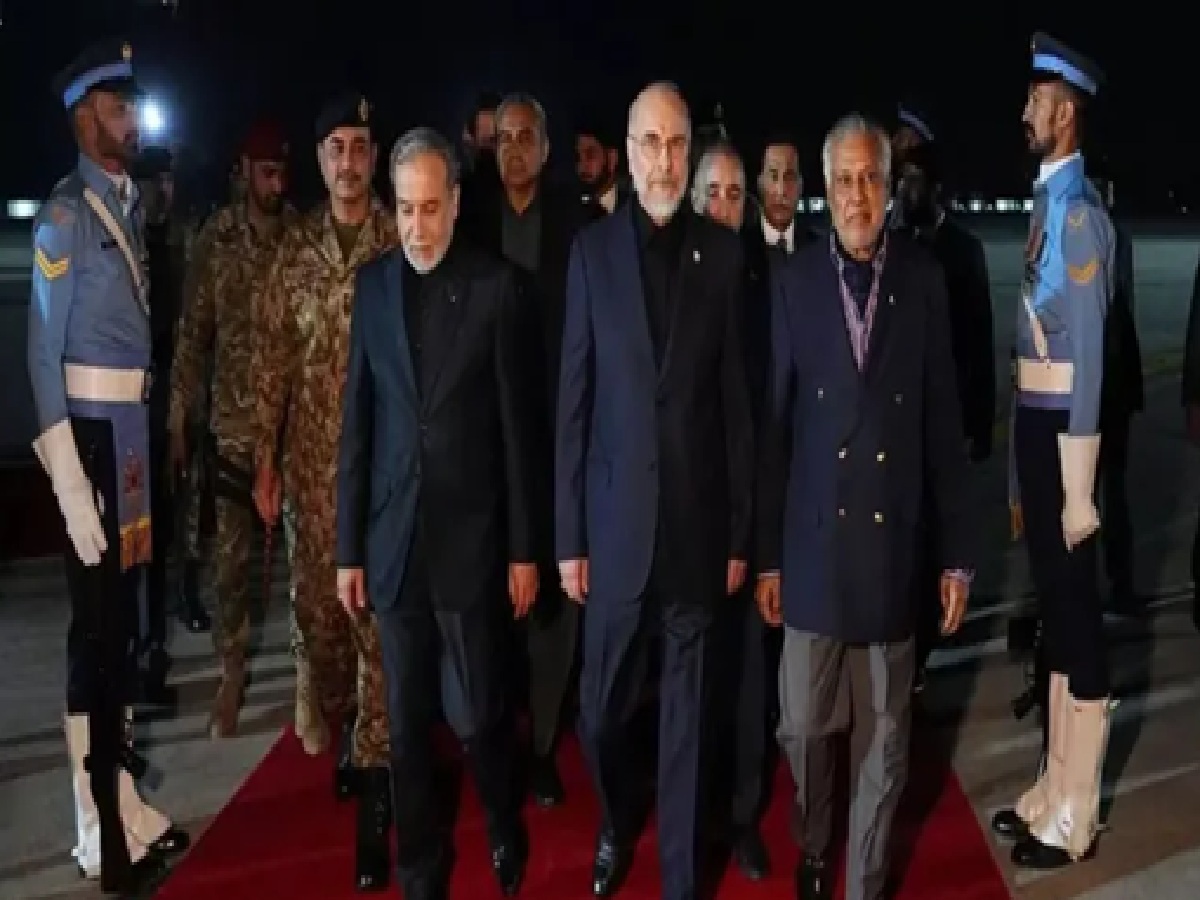
News Topical, Digital Desk : A delegation led by Iranian Parliament Speaker Mohammad Bagher Ghalibaf arrived in Islamabad, Pakistan late Friday night to hold talks with the US on ending the ongoing conflict in the Middle East that has disrupted global supply chains and the world economy.
A two-week ceasefire is currently in effect in this conflict. Thousands of lives have been lost, global energy markets have been disrupted, and a vital oil route has been blocked. Many countries are feeling the impact.
All the events in the background of the meeting
While Iran and the US have halted direct attacks on each other, Israel has continued its attacks on Lebanon. These developments are unfolding against the backdrop of a crucial meeting between the Iranian and US leadership in Islamabad.
When and where will the talks take place?
Iran and the US are holding talks in Islamabad after accepting an invitation from Pakistani Prime Minister Shahbaz Sharif. According to a report by Al Jazeera, the discussions are scheduled to begin Saturday morning (Pakistan time).
The Iranian delegation arrived in Islamabad late Friday night, while the US delegation, led by Vice President JD Vance, is on its way. The venue has not yet been officially confirmed, but according to a report by AFP news agency, it could be the Serena Hotel in Islamabad.
Who all are joining?
According to AFP, US Vice President JD Vance will lead the American delegation, which will also include special envoy Steve Witkoff and the president's son-in-law Jared Kushner.
This is the highest-level US contact with Iran since John Kerry negotiated the 2015 nuclear deal. Before the war disrupted that process, Witkoff held several rounds of talks with Iranian Foreign Minister Abbas Araghchi, mediated by Oman.
Iran's Araghchi and parliament speaker Mohammad Baqir Ghalibaf arrived in Pakistan, along with other security and economic officials. State broadcaster IRIB reiterated Tehran's stance that talks will not resume until its conditions are met, including a ceasefire in Lebanon.
What's on the agenda?
The talks are expected to focus on the 15-point proposal sent by the US to Iran, to which Tehran has submitted a 10-point counterproposal. The US's main demands include Iran handing over its enriched uranium stockpile and reopening the Strait of Hormuz.
Iran, on the other hand, is demanding control of the Strait of Hormuz, imposing tolls on ships passing through it, an end to regional military operations and the lifting of all sanctions.
It is still unclear whether Lebanon will be formally discussed. Despite the temporary pause in the conflict between the US and Iran, Israel has continued to carry out attacks targeting Hezbollah in Lebanon. Israel has rejected Pakistan's claim that the ceasefire also applies to Lebanon.
Why is Pakistan mediating?
Pakistan has strong diplomatic relations with both the United States and Iran. Iran was the first country to recognize Pakistan after its independence in 1947. The two countries share a 900-kilometer border and deep historical, cultural, and religious ties. Pakistan is also home to over 20 million Shia Muslims, the second-largest Shia Muslim population in the world after Iran.
Furthermore, Pakistan has been designated as a 'Major Non-NATO Ally' of the US since 2004. According to an Al Jazeera report, Pakistan's Field Marshal Asim Munir has held several talks with leaders of both the US and Iran in recent times.
How is Pakistan preparing?
Pakistan has declared a two-day public holiday in Islamabad, where it is hosting a high-level meeting. Tight security measures have been put in place in the city; armed personnel have been deployed, traffic routes have been diverted, and police checkpoints have been set up in key areas.
--Advertisement--