desk
desk Share
Share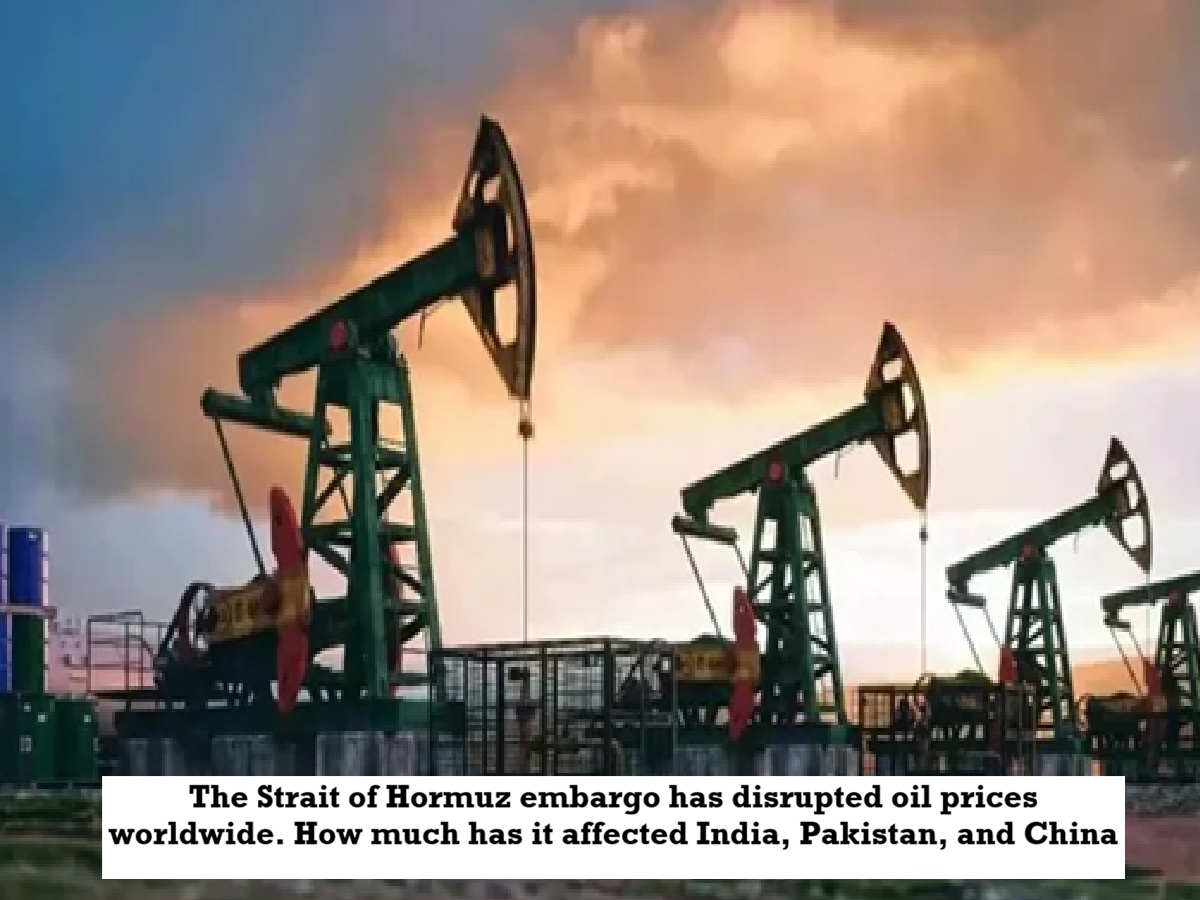
News Topical, Digital Desk : Rising tensions in the Middle East and restrictions imposed in the Strait of Hormuz have sent shockwaves through the global energy market. Crude oil prices have surged to over 110 per barrel, reaching such high levels for the first time since 2022.
The disruption in oil supplies has deepened fuel crises across the world, including in India, Pakistan, and Bangladesh. Major exporters like Saudi Arabia have cut production. The United Arab Emirates, Kuwait, and Iraq have also taken similar steps.
It's worth noting that petrol, diesel, and jet fuel are produced from crude oil. Consequently, rising crude oil prices naturally lead to higher prices for petrol, diesel, and jet fuel. Amid ongoing tensions in the Middle East, let's explore the important steps taken by governments in countries including India, Bangladesh, China, and Pakistan.
Instructions to increase LPT production in India
The Indian government has directed refineries to increase LPG production for domestic use. "In view of the current geopolitical disruptions in fuel supply and restrictions on LPG supply, the Ministry has issued orders to oil refineries to increase LPG production and utilize the additional production for domestic LPG use," the Ministry of Petroleum and Natural Gas (MoPNG) said in a statement issued on 'X'.
The MONG also said a committee of three executive directors of oil marketing companies (OMCs) has been formed to examine LPG supplies to restaurants, hotels and other non-domestic sectors.
Pakistan's oil crisis
Pakistan is bearing the brunt of the ongoing tensions in the Middle East. With oil prices soaring above $100 and gas supplies from the Middle East disrupted, Pakistan has taken steps to conserve fuel. Facing oil shortages, Pakistan's Shahbaz government has announced more than a dozen austerity measures.
These measures include halving the number of employees and shifting to a four-day work week. Furthermore, for the next two months, government spending will be cut by 20% and fuel costs for government vehicles will be halved.
Attempts to stop shipments to China
China has increased its crude oil purchases. Excess oil is being stored in commercial and strategic reserves in China, which could be used if the US-Israeli war against Iran continues for a long time.
Beijing has also asked refiners to stop signing new fuel export contracts and try to cancel previously agreed shipments, according to news agency Reuters.
Limit imposed in Bangladesh
Bangladesh's government said it carried out inspections on Sunday to check fuel stock levels, and imposed limits on the amount of fuel some vehicles could buy after warnings of a possible supply disruption prompted panic buying and hoarding.
Bangladesh, grappling with an energy crisis, closed all universities on Monday and extended the Eid al-Fitr holidays as part of emergency measures.
Vietnam
The Vietnamese government has urged businesses to allow their employees to work from home to help reduce fuel consumption amid rising prices and supply problems linked to the Iran war.
South Korea
South Korea has expressed concern over Iran's attacks on energy infrastructure and restrictions imposed in the Strait of Hormuz. South Korean President Lee Jae-myung said on Monday that the government will cap domestic fuel prices for the first time in nearly 30 years to prevent price increases. He said South Korea will also look for energy sources that do not pass through the Strait of Hormuz.
What is the situation in Japan and Egypt?
The Japanese government has asked the national oil storage site to be prepared for a possible crude oil leak. Meanwhile, fuel prices have also been raised in Egypt. Egypt's Petroleum Ministry said on Tuesday that it has increased the prices of several fuel products, as countries in the region face rising global oil and gas prices.
Read More: China is growing rapidly, surpassing the US in research spending; what does it mean for India.
--Advertisement--