desk
desk Share
Share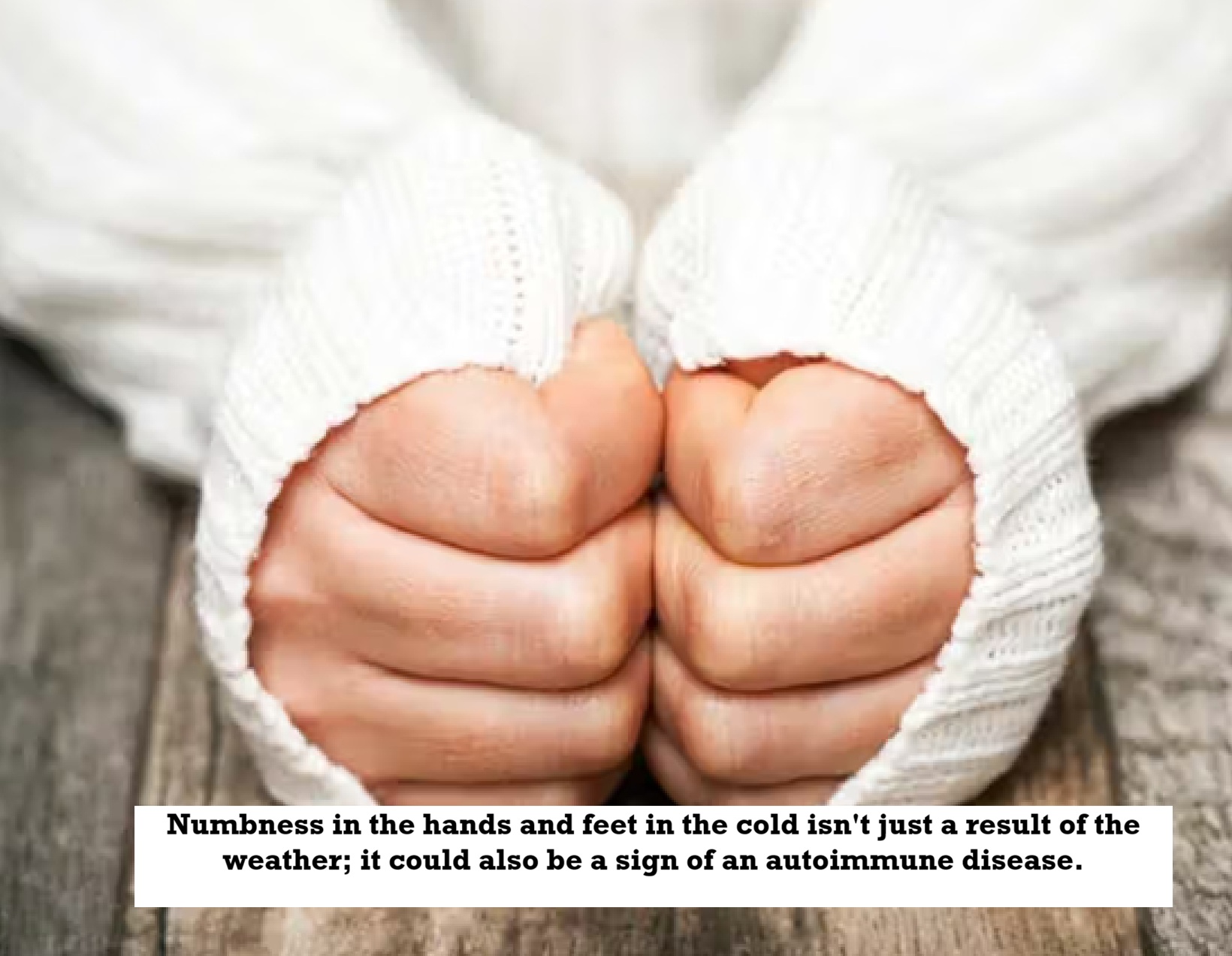
News Topical, Digital Desk : During winter, many people experience numbness, tingling, or coldness in their fingers, hands, or feet. People often dismiss this as a seasonal effect, but experts say this can be an early sign of an autoimmune disease. Especially if the fingers change color or become painful when exposed to cold, it's important to be cautious.
Why do hands and feet become numb in the cold?
In cold weather, the body constricts the blood vessels in the hands and feet to keep itself warm. This reduces blood flow, leading to numbness or tingling. If this condition resolves after some time, it's usually not a cause for concern. An orthopedist explains, “Numbness in the hands and feet is normal in mild cold, but if it occurs frequently and persists for a long time, it's important to investigate.”
Raynaud's Phenomenon
One of the main causes of numbness in the hands and feet in the cold is Raynaud's phenomenon, which occurs when the blood vessels in the fingers suddenly constrict due to cold or stress.
Its symptoms are:
- white or blue discoloration of the fingers
- tingling or numbness
- Redness and pain when heated
“Raynaud's phenomenon can sometimes occur on its own, but in some cases it is associated with autoimmune diseases such as lupus, scleroderma or rheumatoid arthritis,” says Dr. Sunil Kumar Chaudhary.
Other diseases that can cause
Numbness in the hands and feet in the cold isn't just limited to Raynaud's. It can also be caused by other health problems:
- autoimmune diseases
- Diabetic neuropathy
- Thyroid disorder
- Vitamin B12 deficiency
- nerve problems
When is it necessary to see a doctor?
You should consult a doctor as soon as you notice these symptoms:
- Frequent discoloration of fingers
- Numbness that lasts for a long time
- increased pain or burning
- sores or blisters on the skin
- Feeling numb even when it's not cold
Prevention and care measures
- Always keep your hands and feet warm
- Avoid direct contact with cold
- Stay away from smoking
- Eat a balanced diet
- Try to reduce stress
Numbness in the hands and feet during winter isn't always serious, but if it occurs frequently or is accompanied by other symptoms, it could be a sign of an autoimmune disease. Seeking a doctor promptly and getting tested is the first step toward better treatment.
Read More: Do you also consume artificial sweeteners? Study says the future of future generations is at risk.
--Advertisement--