desk
desk Share
Share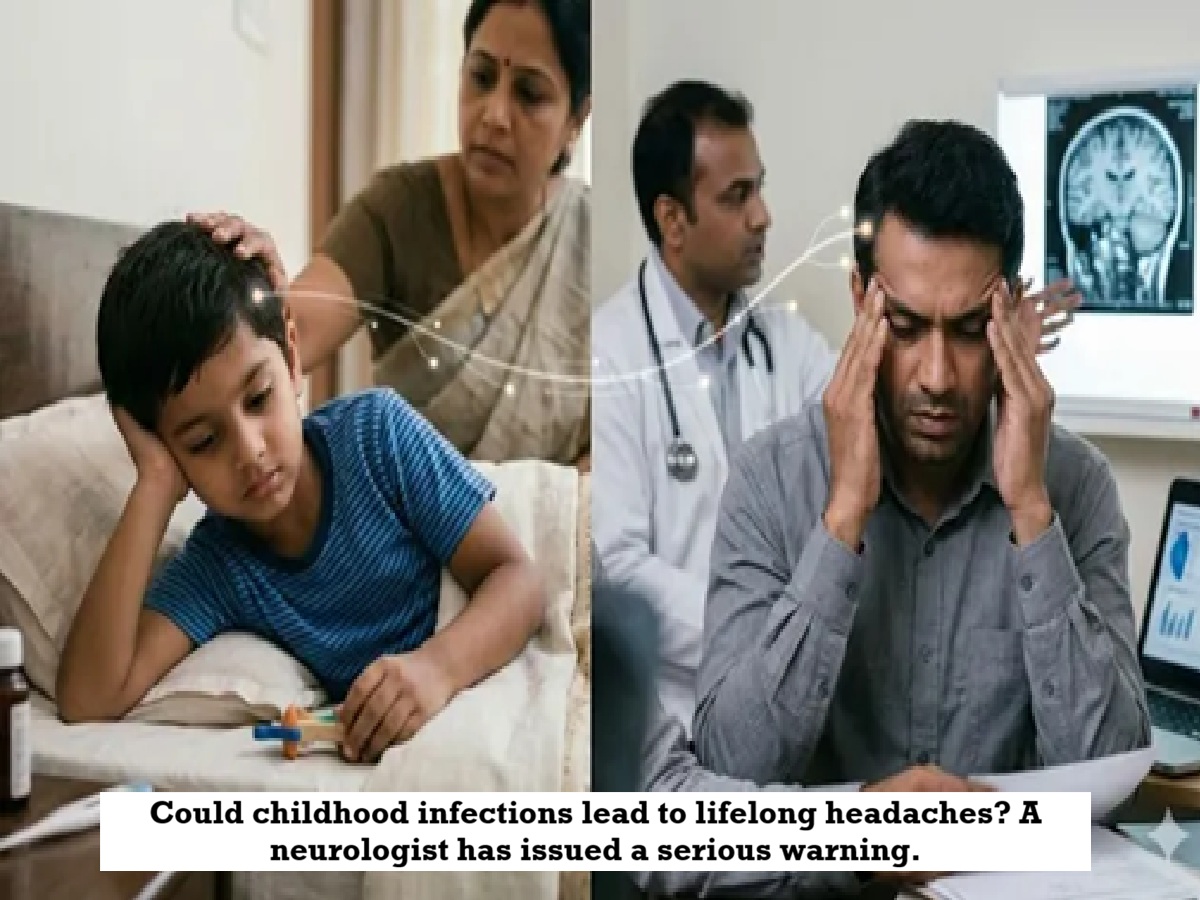
News Topical, Digital Desk : Director of Neurology, Max Super Speciality Hospital, Shalimar Bagh, infections during pregnancy, neonatal period and early childhood can be a sign of major danger in the future.
Recent evidence suggests that bacterial or viral infections early in life significantly increase the risk of several serious neurological, neurodevelopmental, and mental disorders later in life.
These infections can not only stunt a child's brain development but also cause long-term inflammation, damaging brain structure. Let's understand this through different stages of life and the science behind it.
Effect of infection at different age stages
The age at which a child gets infected determines the type of illness they may develop in the future:
- Before birth (during pregnancy): If the mother contracts infections like cytomegalovirus, syphilis, rubella, or HIV during pregnancy, the baby's brain structure may be severely shaped. This can lead to serious problems like microcephaly (small head size), hydrocephalus, or cerebral palsy. Sometimes, infections that don't show any symptoms can lead to deafness or developmental delays.
- The first year of life: Serious respiratory illnesses, stomach and intestinal infections, high fevers, or ear infections during the first year of life can be extremely dangerous. They increase the risk of future mental illnesses, heart disease, metabolic syndrome, and allergic diseases such as asthma or eczema.
- The first four years: Infections during the first four years of life directly impact a child's brain development. This can lead to poor school performance and the development of problems such as autism or intellectual disability.
How do these infections harm the brain?
- Brain inflammation: During infection, the body releases chemicals called cytokines (such as IL-6 and TNF-alpha), which cause significant damage to the developing baby's brain.
- Molecular mimicry: Sometimes the antibodies the body produces to fight infection become confused and attack healthy parts of the nervous system instead of the virus, leading to various brain disorders following infection.
- Priming the immune system: Childhood infections alter specific cells in the brain called microglia, which can lead to harmful inflammation in the brain.
Major viruses that trigger diseases
Certain viruses can directly cause future diseases:
- Enterovirus: It increases the risk of epilepsy and autism.
- Herpes simplex virus: It causes encephalitis and long-term brain damage.
- Influenza: It has been found to be directly linked to diseases like Alzheimer's, ALS and Parkinson's.
- Epstein-Barr virus: This virus is strongly linked to a serious disease called multiple sclerosis.
Diseases and infections of old age
The effects of childhood infections can last well into old age. Neurodegenerative diseases such as Alzheimer's and Parkinson's have clear links to early-life infections.
Six major diseases—Alzheimer's, amyotrophic lateral sclerosis, dementia, multiple sclerosis, Parkinson's, and vascular dementia—have been linked to various viral infections. For example, Alzheimer's is closely linked to viral encephalitis. Vascular dementia is often associated with influenza, pneumonia, intestinal infections, and the varicella zoster virus.
In addition, childhood epilepsy is also directly linked to infections of the central nervous system. Attention deficit hyperactivity disorder (ADHD) and autism spectrum disorder (ASD) are also commonly associated with these infections.
Dr. also clarifies that infections aren't the only culprits behind these diseases. Genetics and socioeconomic status also play a major role in the occurrence or non-occurrence of these diseases.
--Advertisement--