desk
desk Share
Share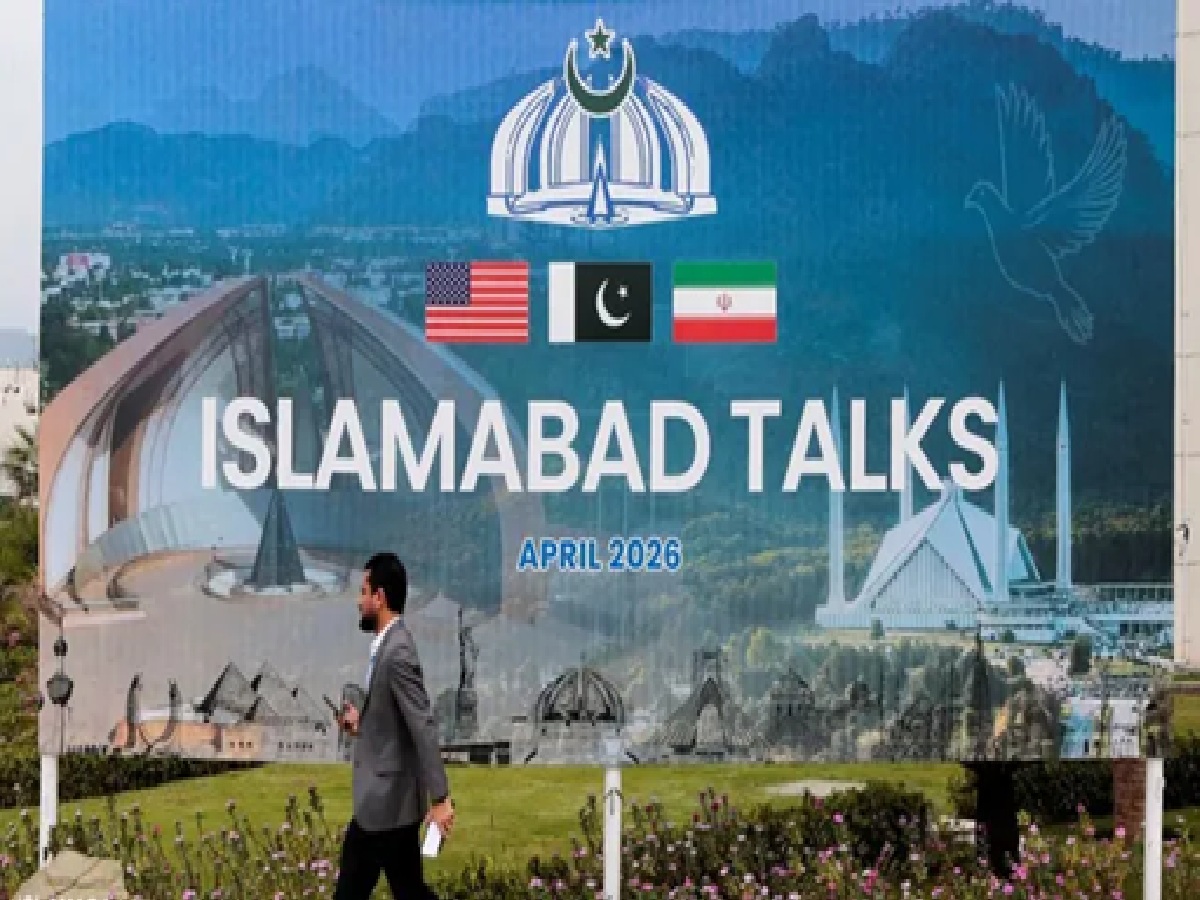
News Topical, Digital Desk : Marathon talks between the US, Iran, and Israel in Islamabad lasted 21 hours and ended inconclusively. US Vice President JD Vance returned without securing concessions from Iran. The world was watching the peace deal.
The talks, billed as a significant diplomatic initiative between the US and Iran, attracted global media attention. Held at the Jinnah Convention Centre, the meeting was lavishly attended.
Journalists were provided with high-speed internet and excellent food and drinks, but they were far removed from the real discussions. Behind this grand spectacle, a lack of transparency was evident.
Pakistan's secrets are exposed
According to a Firstpost report, journalists were kept far away from the main negotiation venue, preventing them from directly observing the situation on the ground. No formal press briefing was held.
Information was sent only through select WhatsApp messages. Reports indicate that the media was kept away, citing security and confidentiality concerns, even though the event was being described as world-class .
Interestingly, a division was also seen in the media room, where American and Iranian journalists were seen sitting in separate groups.
Overall, the branding of the event was world class, but due to lack of actual information, the journalists were left disappointed even after waiting for hours.
Peace agreement fails, what is the next game?
Following the failure of talks with Iran, the US now faces two major options: first, to continue long and complex diplomatic negotiations with Iran, and second, to resume a military conflict that has already severely disrupted global energy supplies.
According to experts, both options carry significant risks. A return to war could severely impact oil supplies, gas prices and global markets, while protracted negotiations could prove politically and strategically exhausting.
Read More: 'No Iranian ship will be able to leave,' JD Vance warns Tehran
--Advertisement--