desk
desk Share
Share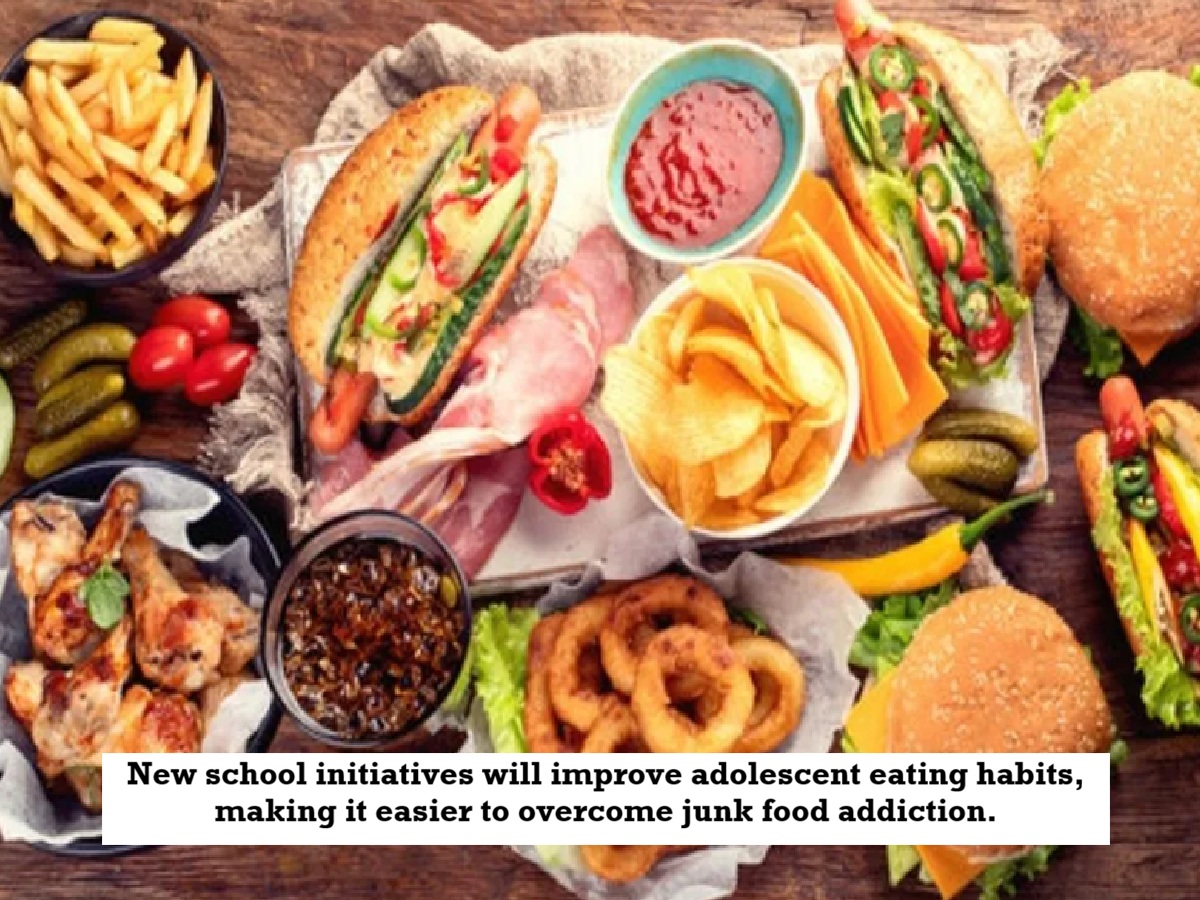
News Topical, Digital Desk : Amid the rapidly rising risk of obesity, diabetes and heart disease among Indian children, a new study has found that school-based behavioural interventions can help reduce the intake of salt and sugar-rich ultra-processed foods (UPFs) among adolescents. The scientific study, conducted by researchers at the Post Graduate Institute of Medical Education and Research (PGIMER), Chandigarh, found that simple school-based behavioural programmes can reduce junk food intake by more than 1,000 calories per day.
High consumption of UPF, including fast food and sugary drinks, is a known factor in increasing health problems such as diabetes, high blood pressure, obesity and cancer among adolescents and young people.
'Schools' can play a big role in getting rid of junk food addiction
According to researchers from Imperial College London, UK, and the Public Health Foundation of India, the study demonstrates the potential of school-based behavioral interventions to reduce ultra-processed food (UPF) intake among Indian adolescents. This highlights an important gap in public health research and practice in low- and middle-income countries. The study was published in the international journal BMJ Global Health.
Ultra-processed food will be curbed
In the study, the team tested a specially designed nutrition and behavior change program in schools. A cluster-randomized controlled trial was conducted in 12 public schools in Chandigarh, targeting eighth-grade adolescents and their parents. Approximately 11 sessions were conducted for adolescents over six months.
Additionally, a single educational session was conducted for parents to increase their awareness of reducing UPF intake and encourage healthy dietary behaviors. Dietary intake data were collected using 24-hour dietary recalls at the initial and end points, spaced one day apart.
It's easy to give up junk food, but it's hard to eat healthy.
According to the researchers, students who participated in these sessions consumed more than 1,000 fewer calories per day from ultra-processed foods, such as packaged snacks, sweetened beverages, and fast food . Their intake of other processed foods decreased by approximately 270 calories per day, indicating a sustained shift away from unhealthy eating habits. The study also found that students who reduced their junk food intake did not increase their intake of fruits or home-cooked meals, suggesting that reducing unhealthy food intake is easier than establishing healthy habits.
'Schools' can become the biggest weapon
Despite family involvement, there appeared to be little change in parental eating patterns, underscoring the unique influence of schools on adolescent behavior.
The study also suggests that schools can be front-line institutions for preventing future lifestyle diseases, using low-cost educational and behavioral strategies. Therefore, this should be considered seriously in strategy development.
--Advertisement--