desk
desk Share
Share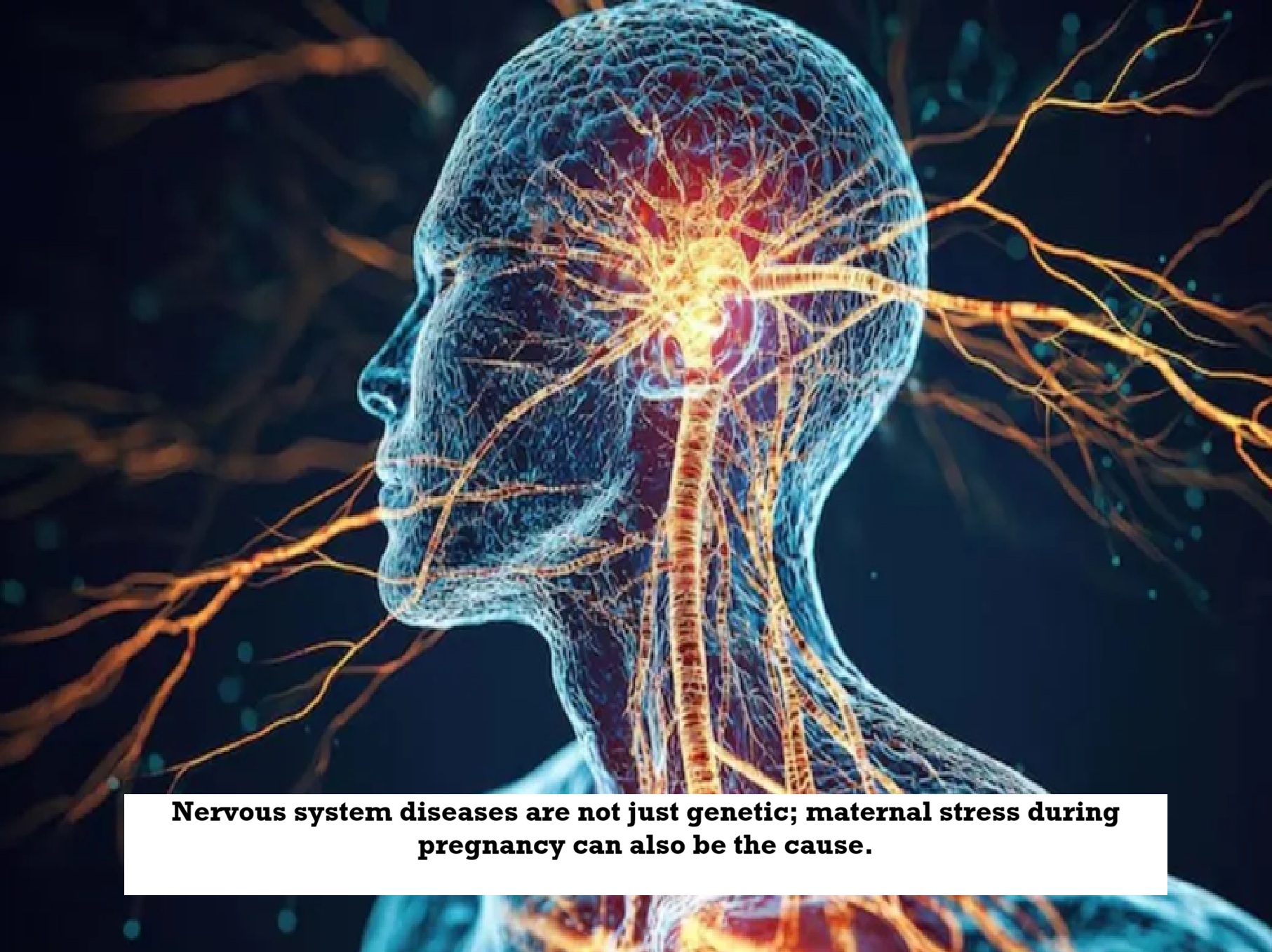
News Topical, Digital Desk : Nervous system disorders in children are often a cause of concern. These disorders affect the child's brain, spinal cord, and nerves. While the causes are commonly believed to be genetic, injury, or congenital infections, new research in mice has revealed that a mother's stress and health during pregnancy can also directly impact a child's brain development.
New revelation from Nature Neuroscience
In a recent study published in the journal Nature Neuroscience, scientists have investigated how stress, gut changes, or immune system activation during pregnancy affect the fetal brain. Lead researcher and physician Dr. Brian Kalish of Boston Children's Hospital in the US said his team sought to understand how genes function in the fetal brain during development.
Gene map prepared using modern technology
For this research, scientists used an advanced technique called specialized transcriptomics. This technique helps identify which genes were active in a particular tissue and their precise location.
According to Dr. Kalish, previous studies often focused on the adult brain, but this new research collected data from the critical period when the fetal brain is developing and most sensitive.
Special sensitivity seen in boys' brains
The study revealed a surprising finding. The researchers found that the sex of the fetus also affects this process. They observed increased sensitivity to a specific immune pathway in the male brain. This finding could prove to be an important target for understanding and treating neurological disorders in boys in the future.
Causes of brain structure defects
The team also identified a specific signaling pathway called CXCL12/CXCR4. This pathway is crucial for the proper differentiation of neural stem cells into neurons (brain cells). If this pathway is disrupted, the cells may develop incorrectly, leading to structural or functional defects in the child's brain.
A ray of hope for the future
This research reveals how the mother's gut environment and external factors (such as stress or microbiome deficiencies) 'program' the baby's brain's immune system. Dr. Kalish believes that as a neonatologist, this information is crucial. It will help us understand how early-life environmental factors affect brain development, opening up new avenues for preventing or treating these diseases in the future.
--Advertisement--