desk
desk Share
Share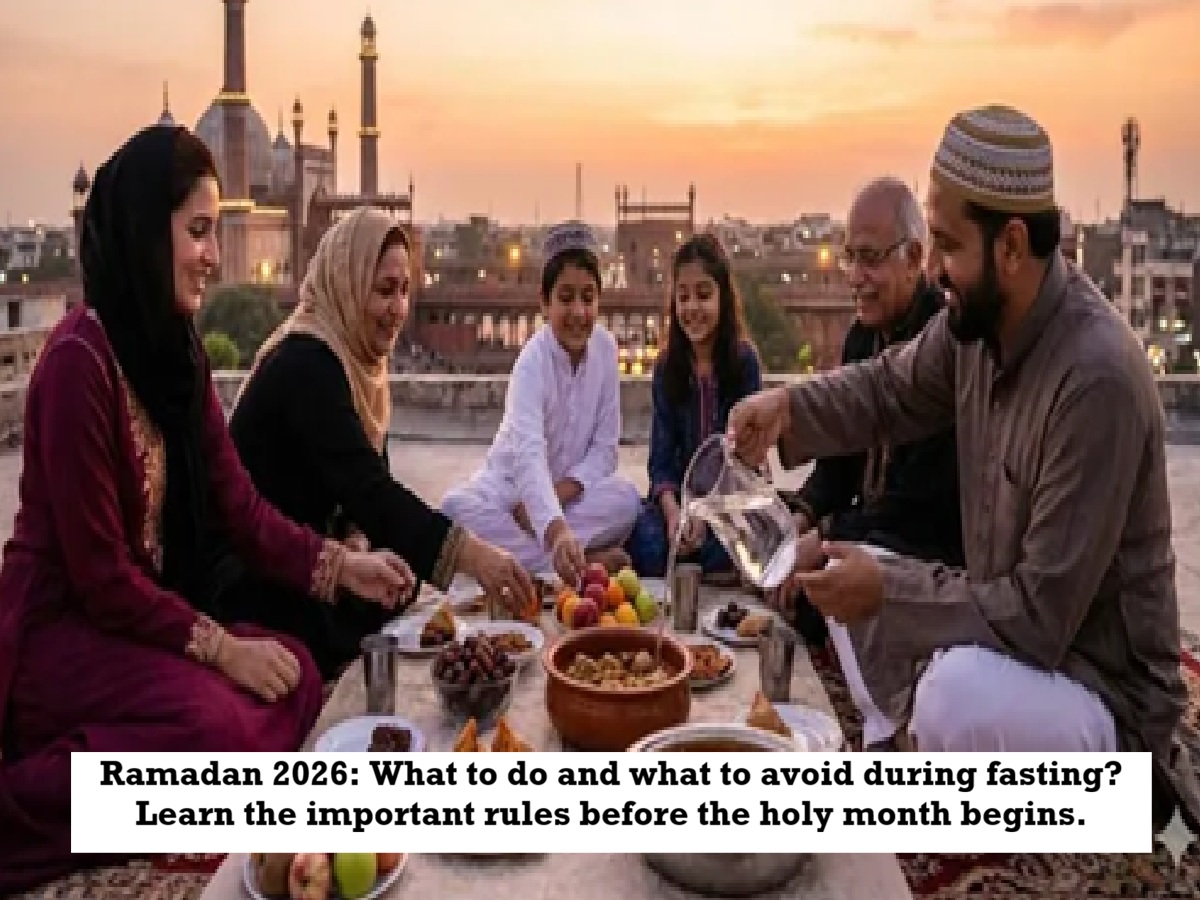
News Topical, Digital Desk : The holy month of Ramadan is considered the most blessed and virtuous in Islam. It's not just about enduring hunger and thirst, but also a means of mastering your mind and desires. If you're fasting for the first time or want to better understand its rules, this information will be very helpful.
Let us know what should be done during Ramadan and what things should be avoided.
The right way to start fasting
Fasting begins before sunrise in the morning, during a ritual known as "sehri." Sehri is a meal that provides energy for the day. It is crucial to make a "niyyat" (intention) before fasting. Niyyat means making a firm resolve in your heart that you are fasting solely for the sake of God's pleasure.
The fast is broken in the evening after sunset, with a ritual called iftar. Breaking the fast with dates is considered beneficial for health.
What to do in Ramadan
Five-time prayer: Fasting is essential along with praying . It gives you discipline and peace of mind.
Reading the Quran: Reading the Quran and understanding its meaning is considered a very virtuous act in this month.
Zakat and Sadaqah (Charity): Ramadan teaches us to understand the suffering of others. Therefore, helping the poor and feeding them is an important part of this month.
Patience and etiquette: The real purpose of fasting is to control anger and remain grateful in all circumstances.
Don'ts
Lies and evil: Speaking ill of someone behind their back or telling lies harms the spirit of the fast.
Fighting: Fighting or swearing at someone while fasting is strictly prohibited. This negates the rewards of fasting.
Intentionally eating or drinking: If you accidentally eat or drink something, it doesn't break your fast. However, intentionally drinking even a small amount of water invalidates your fast.
Fasting isn't just for the stomach: Remember, fasting isn't just for the stomach, but also for the eyes, ears, and tongue. Avoid watching or listening to inappropriate things.
Who is exempted from fasting?
Fasting is obligatory in Islam , but exemptions are granted under certain circumstances. Those who are sick, very elderly, travelers, or pregnant women are permitted to skip the fast. However, they must make up the missed fast by making up the missed fast later.
Read More: The secret of Bhadra period, know why all auspicious works stop under the shadow of Suryaputri?
--Advertisement--