desk
desk Share
Share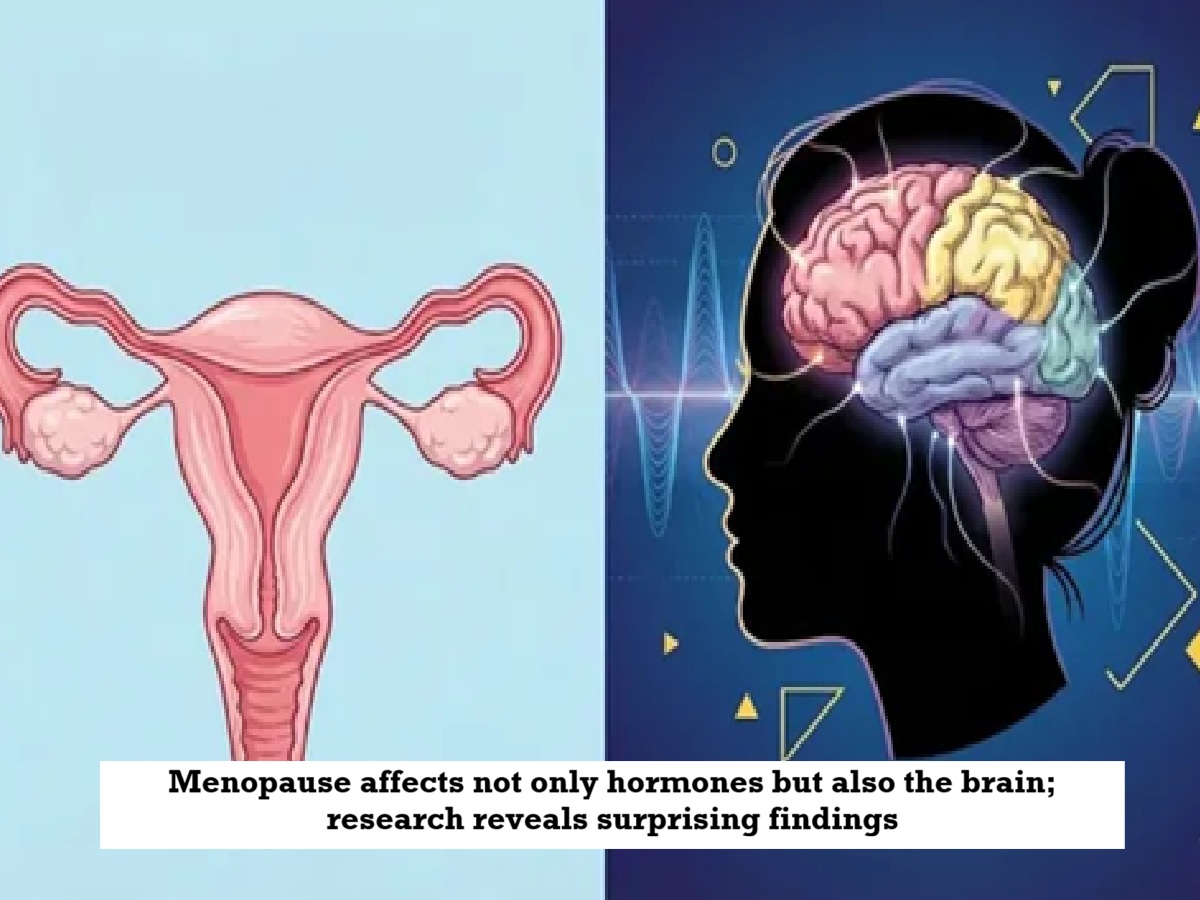
News Topical, Digital Desk : We often assume that menopause simply means the end of periods, but did you know that this process is also quietly changing the structure of your brain? A startling study from Cambridge University has revealed this "unseen truth."
According to new research, menopause isn't just a physical change; it can also shrink your brain's gray matter. This directly impacts your memory, sleep, and mental peace. If you or a woman in your household is between the ages of 45 and 55, this news is extremely important for you.
What did the study reveal?
In this study, published in Psychological Medicine, researchers used data from the UK Biobank, which included nearly 125,000 women. This included both those who had not yet experienced menopause and those who had already experienced menopause.
The main findings of the study are as follows:
- Changes in brain structure: After menopause, the amount of 'grey matter' was found to be reduced in many important parts of the brain.
- Mental health: Significantly increased levels of anxiety, depression, and sleep problems were found.
Deep impact on mental health and sleep
Researchers found that post-menopausal women had more mental health problems than pre-menopausal women:
- Anxiety and depression: Post-menopausal women were more likely to see a doctor or psychiatrist for anxiety or depression.
- Lack of sleep: Complaints of insomnia and lack of sleep become common after menopause.
- Fatigue: Women reported feeling constantly tired, even after getting enough sleep.
- The role of HRT (hormone replacement therapy) : Women taking HRT reported higher levels of anxiety and depression. However, closer examination revealed that these problems were present before menopause began.
Brain sluggishness and risk of Alzheimer's
The study, which involved MRI scans of nearly 11,000 women, found that after menopause, there was a decrease in gray matter in areas of the brain (such as the hippocampus) that are responsible for memory and learning.
- Delayed reaction: According to Dr. Katharina Zuhlsdorf, our ability to react naturally slows as we age, but menopause accelerates this process.
- Link to Alzheimer's: Professor Barbara Sahakian, senior author of the study, warned that the brain areas affected are the same as those associated with Alzheimer's disease. This could be a clue to why women are almost twice as likely to develop dementia as men.
--Advertisement--