desk
desk Share
Share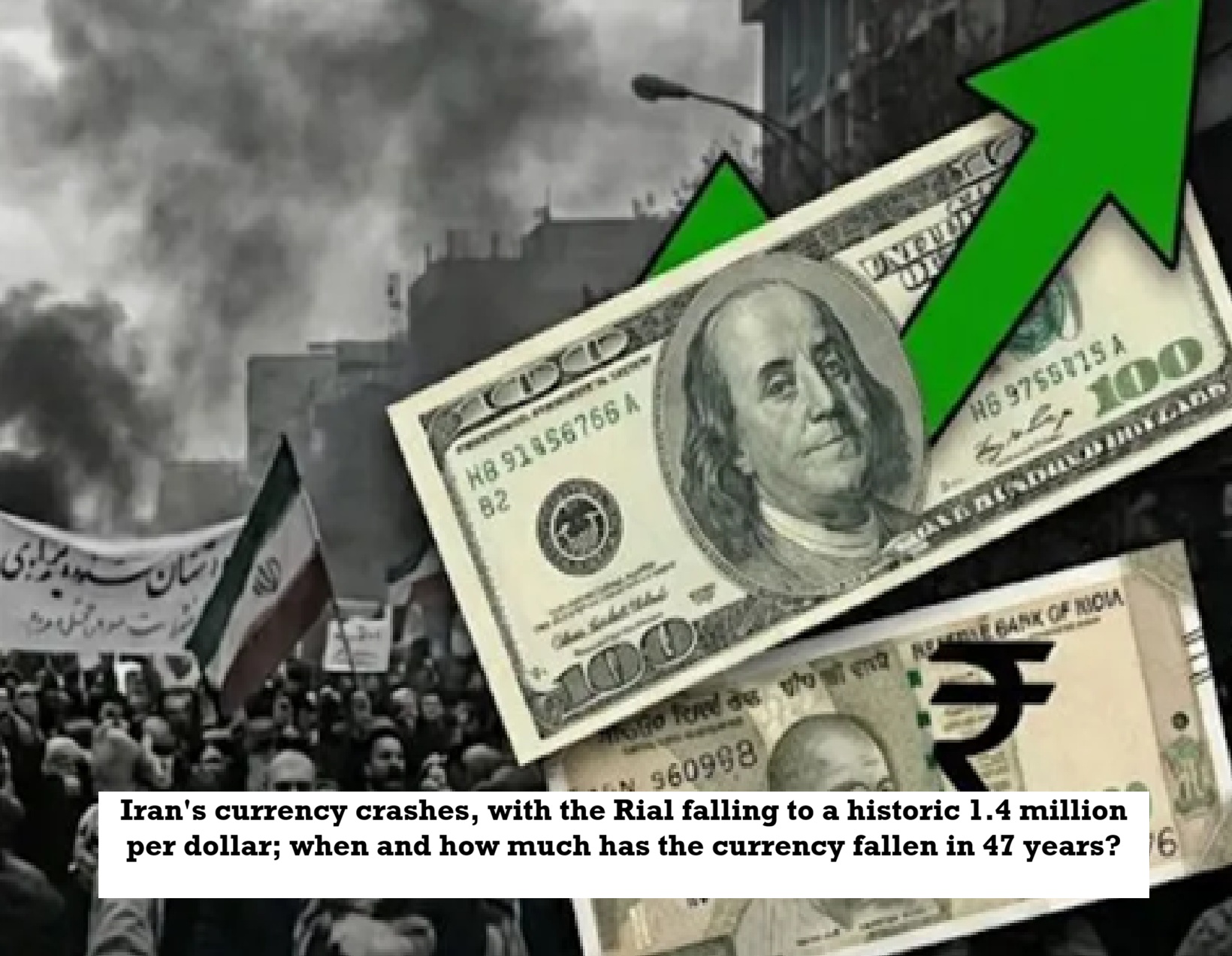
News Topical, Digital Desk : The Muslim nation of Iran is currently facing a crisis on multiple fronts. A historic currency drop, rising inflation (Iran hyperinflation fears), and anger spilling onto the streets are now directly challenging the ruling system. Iran's currency, the Rial, has plummeted to a record low (Iran Rial crash), reaching nearly 1.4 million rials per dollar. This has directly impacted inflation.
Everything from food and drinks to rent and medicine suddenly became more expensive. The situation escalated to the point where merchants and shopkeepers in Tehran's main market took to the streets (Iran protests 2026), and the protests quickly spread to Shiraz, Isfahan, Kermanshah, and Fasa. Students and urban youth also joined in, and slogans were now being raised directly against the ruling system.
Historical crash of the Rial: What is the latest situation?
The price of the Rial in the open market has fallen to around 1.4 million per dollar (Rial hits 1.4 million per dollar). This is believed to be the lowest level ever (USD IRR exchange rate record low). Prices of everyday items have skyrocketed as imports become more expensive. People's savings have evaporated overnight, trust has been shattered, and anger has spilled onto the streets. Slogans against Ayatollah Ali Khamenei and the religious regime have also been heard in the crowds.
When and why did the Rial depreciate over the past 47 years? (Iranian Rial depreciation history)
Why did the Iranian currency Rial crash?
Iran's economy is already under pressure. Oil revenues plummeted, access to international banking became difficult, and the situation worsened after the US withdrew from the nuclear deal in 2018 and imposed tough sanctions. The current currency crisis is seen as a result of decades of mismanagement, corruption, and sanctions.
- Tighter international sanctions: Heavy hit on oil exports and foreign payments after 2018.
- Decline in oil revenues: Government revenues decreased, dollar shortages increased.
- Banking isolation: Limited access to international banking.
- Decades of mismanagement and corruption: Investor confidence shattered.
- Political uncertainty: Fear of protests and harsh reactions.
Government's steps, a test of trust
President Masoud Pezeshkian reshuffled the economic team and reappointed Abdolnaser Hemmati as Central Bank chief. The process of dismantling the multi-rate currency system and removing subsidized rates was accelerated. The president acknowledged public anger against the system, but those on the streets are considering it a technical salve. They argue that economic reforms will not be effective unless political trust is restored.
International fronts and warnings
Former US President Donald Trump warned that the US would respond if violence was used against peaceful protesters. In response, Ali Larijani, a key figure in Iran's security apparatus and an adviser to Khamenei, Ali Shamkhani, said foreign interference would destabilize all of West Asia.
--Advertisement--