desk
desk Share
Share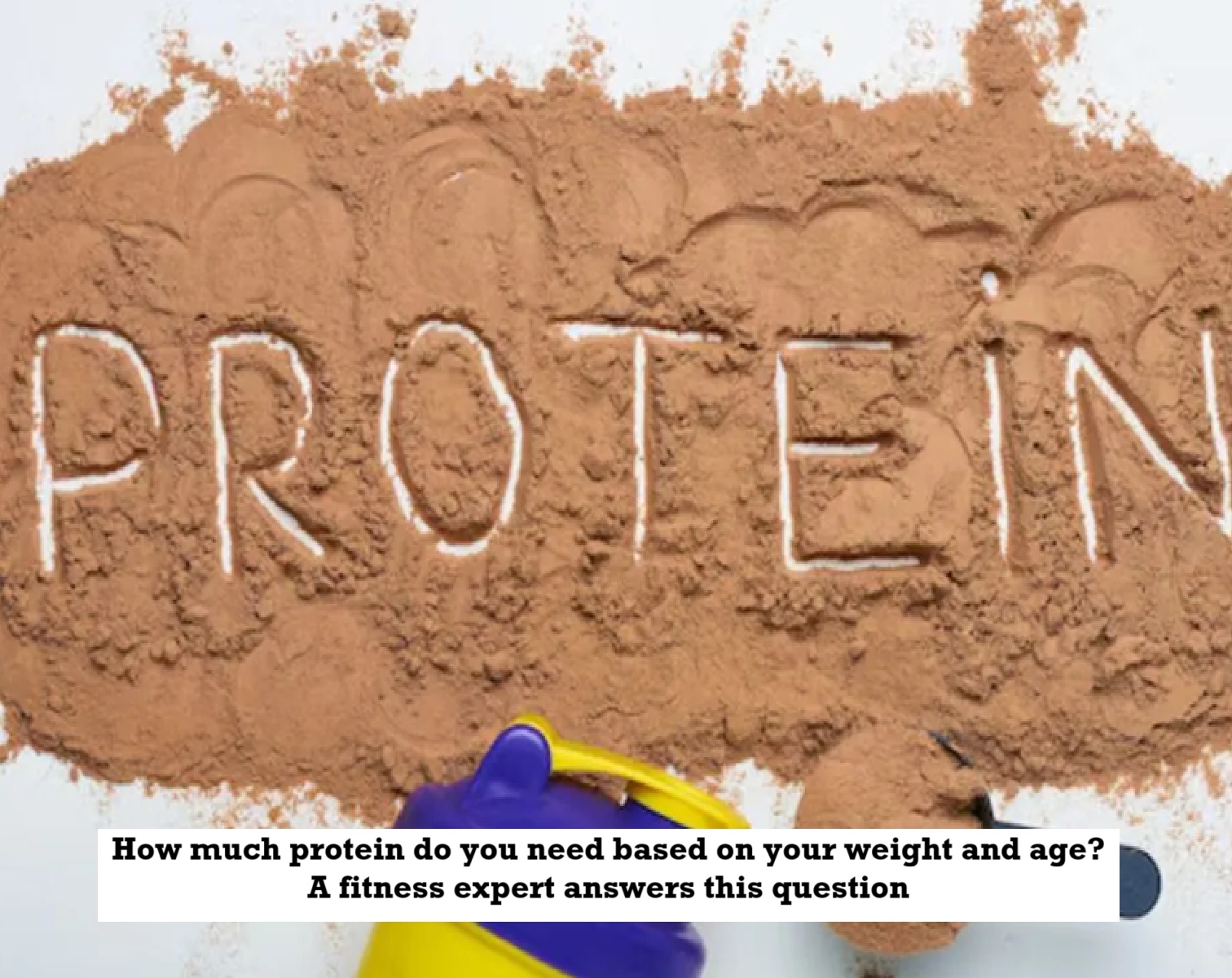
News Topical, Digital Desk : The average person's protein needs are based on their body weight and age. It's available from natural sources like dairy products, pulses, and seeds, but those who are physically active or who work out are advised to consume more protein.
An average person needs 0.8-1 grams of protein per kilogram of body weight daily, while a gym-goer or athlete needs 1.2 to 2.0 grams of protein per kilogram of body weight daily.
How much protein should be taken at what age?
People aged nine to 13 should consume about 34 grams of protein, while those aged 14 to 18 may need 52 grams of protein.
Take Protein Powder in the Right Amount
These days, fitness-conscious people are consuming protein powder or protein supplements in large quantities. To achieve a bigger build and six-pack abs, consult the various doctors and health experts available on the market for protein powder. However, protein powder is safe. As demand continues to grow, the only condition is that it should be taken at the right time and in adequate quantities
Although, according to these experts, herbal protein powders are also available in the market, which are harmless. However, if a person starts taking the powder without consulting a doctor, they may experience digestive problems. Protein powder can harm people who cannot digest dairy products or who have kidney problems. Therefore, if you feel that protein is necessary for you, be sure to consult a doctor.
How much protein powder can I take in a day?
Meenal Pathak (Fitness Expert) says that you can buy protein powder from a reputable company. One or two teaspoons of powder can be consumed daily. There are many types of protein powders available in the market, but not all are good. Therefore, be sure to check the ingredients before purchasing a powder.
Protein powder should be taken in the right amount. If you weigh 80 kg, you need 160 grams of protein per kilogram, at 2 grams per kilogram. This amount cannot be met through food alone. Therefore, protein powder can help fill this gap.
Pregnant and lactating women
These women require more protein for tissue growth, which is 10 to 35 percent of daily calories or about 70-71 grams.
Natural sources of protein
All pulses, such as chickpeas, mung beans, pigeon peas, and seeds, are rich in protein. Soy products, such as tofu, soybeans, soy milk, and dairy products, such as cheese and yogurt, are also rich in protein. Nuts and seeds, such as peanuts, chia seeds, and almonds, are also rich in protein.
Read More: Excessive hair loss may suddenly occur, this disease may be hidden in the body
--Advertisement--