desk
desk Share
Share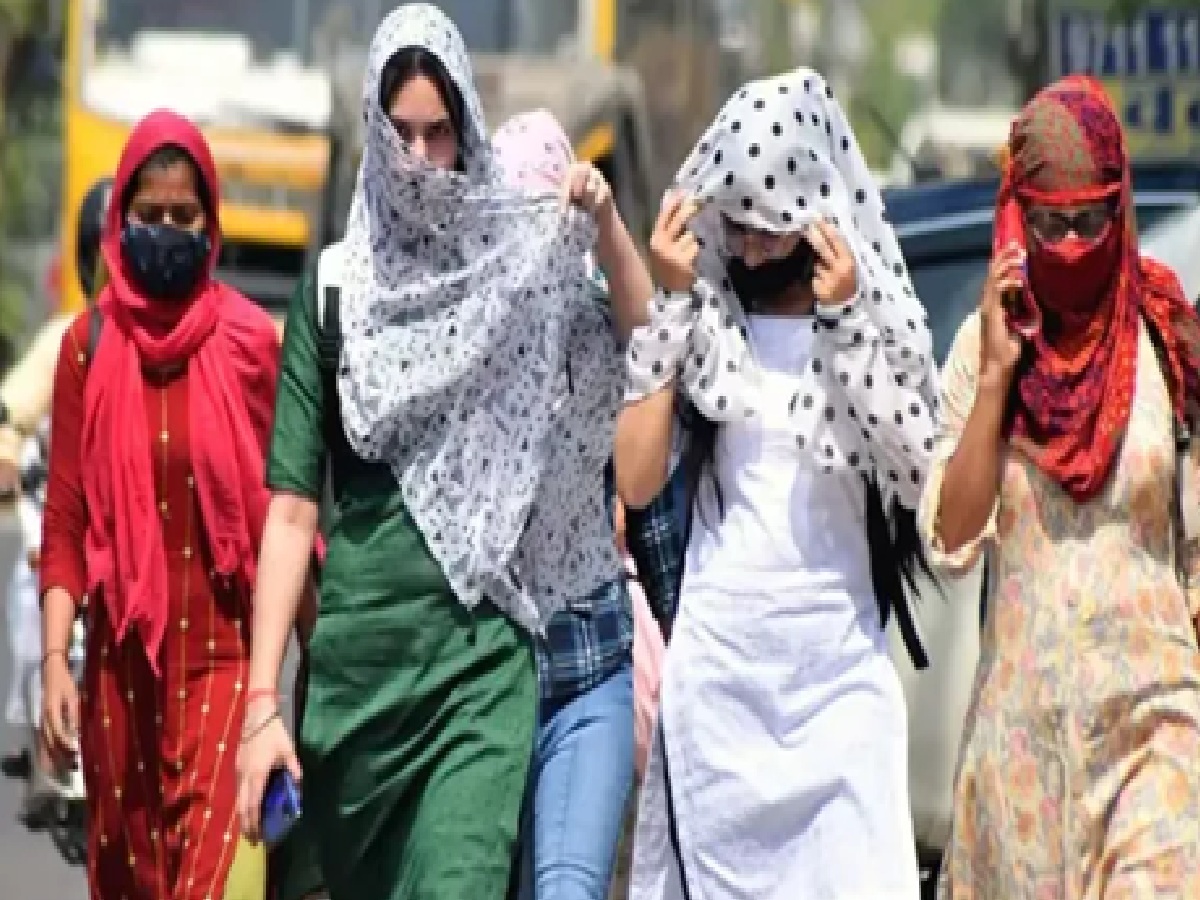
News Topical, Digital Desk : The India Meteorological Department (IMD) has issued a widespread heatwave alert for Haryana-Chandigarh-Delhi, Punjab, East Rajasthan, Bihar, Vidarbha (Maharashtra), Chhattisgarh and Jharkhand.
On the other hand, economists and health experts are warning that this extreme heat will not only increase the temperature but will also slow down economic growth, reduce productivity and increase medical expenses significantly.
Heat waves in India are no longer just a health issue; in recent years, they have emerged as a major economic crisis. According to an NDTV report, extreme heat has already resulted in approximately $159 billion in lost productivity, representing approximately 5.4 percent of India's income, and more than 160 billion working hours are lost each year because workers are unable to perform at their full potential.
It will affect the GDP of the country
The report further stated, "By the end of this decade, heat waves could cause more damage to India's economy than expected, leading to losses of around 2.5-4.5 percent of the country's GDP.
Some estimates even suggest that if no policy action is taken, India could lose up to 8.7 percent of its GDP due to heat stress by the middle of this century.”
Heat-sensitive sectors, such as agriculture, construction, and urban informal workers, bear the brunt. Outdoor workers, in particular, suffer significant losses in earnings because they are forced to stop work during the hottest hours. In 2021-22, India lost an estimated 160-191 billion labor hours, equivalent to approximately 5.4-6.3 percent of GDP.
The cost of treating heatstroke is high.
Heat-related illnesses, from dehydration and heat exhaustion to severe heatstroke, all lead to increased medical expenses during the peak summer months. Dr. Nitin Jagasia, Regional Director, Emergency Services, Western Region, Apollo Hospitals, emphasizes the financial impact of this, saying that treatment for severe heatstroke can cost between ₹1 lakh and ₹2 lakh per patient, enough to wipe out a working family's entire savings.
Dr. Mohit Mathur, Chief Medical Officer at PB Health, explains that in addition to these bills, many families have to take out loans or sell their assets to cover healthcare expenses. He adds that 40 percent of urban and 60 percent of rural families resort to taking out loans or selling assets to pay heatstroke bills. And this doesn't include the loss of income for weeks while recovering.
Dr. Mathur further states that the widespread economic losses could be even greater in 2024-25. According to estimates, 247 billion labor hours were lost in heat-affected areas in 2024, resulting in economic losses of approximately $194 billion. According to the latest IMD bulletins, overall heat stress is expected to increase across much of India this year due to higher daytime temperatures and warmer nights.
Food security is also under threat
In addition to increasing medical bills, extreme heat also threatens agriculture and food security. A joint FAO-WMO report this week warned that extreme heat is becoming a risk factor for agricultural systems. It threatens rice production and food security in major river basins.
The impact of heat on farmers' productivity directly reduces economic output in rural markets, where daily labor and crop cycles depend on moderate weather. This can also lead to higher food prices. Increased food prices directly impact people's ability to spend freely.
The need for multi-layered public policy
Experts emphasize that addressing the economic consequences of heat requires multi-pronged public policy, ranging from heat action plans and cooling infrastructure to worker protections and access to health insurance, and going beyond treating heat waves as merely short-term weather events.
--Advertisement--