desk
desk Share
Share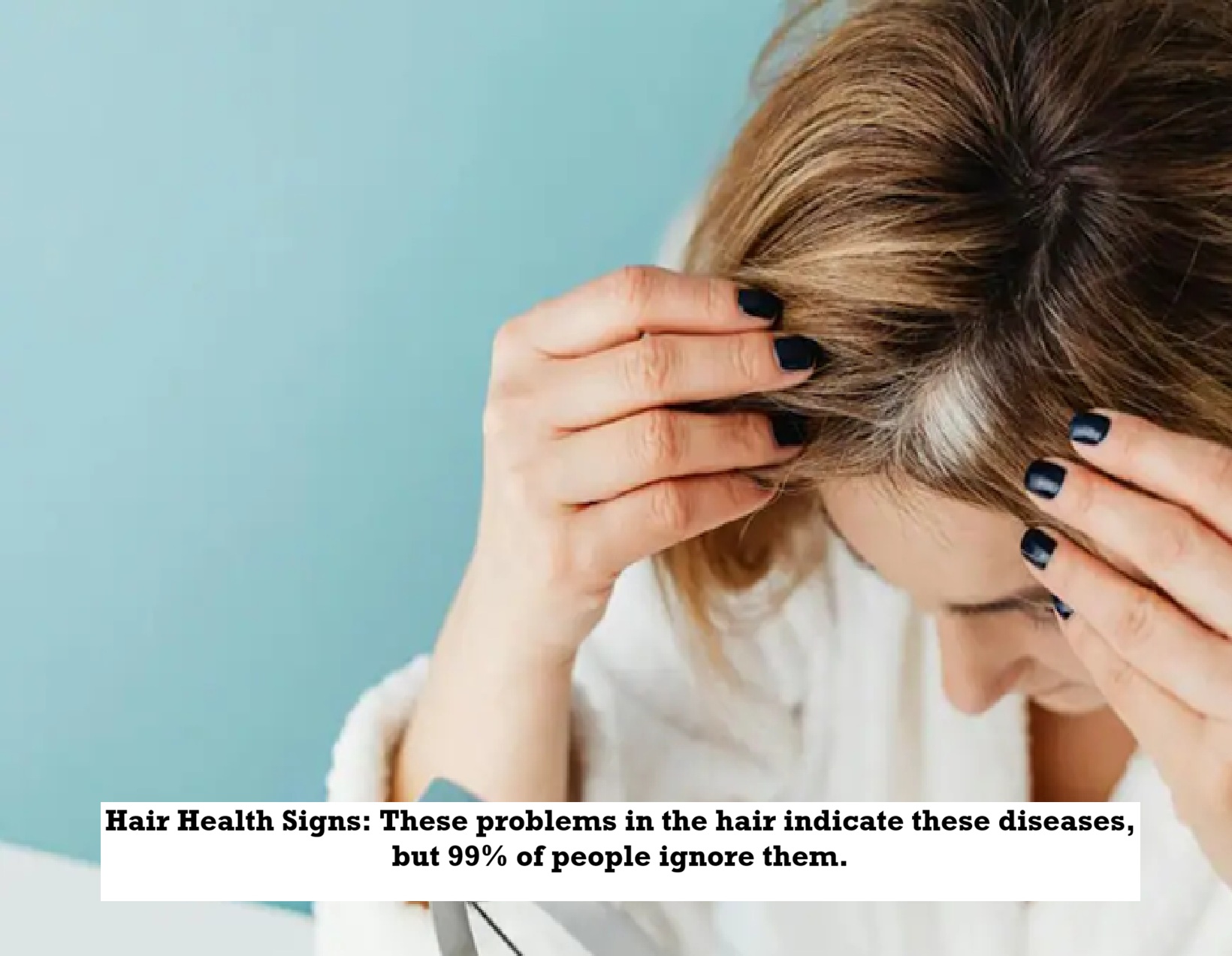
News Topical, Digital Desk : Hair Health Signs Of Underlying Disease: People often associate hair only with style or grooming, but the truth is that hair tells a lot more than that. Science has proven time and again that hair also indicates the condition going on inside our body. Each hair grows from a tiny follicle, which is directly linked to hormones, nutrition, immune system and metabolism. Because hair grows rapidly and reacts quickly to any disturbance in the body, therefore, sometimes hair starts pointing towards an underlying problem even before any other symptoms appear. If hair suddenly starts falling, changes color or its texture becomes strange, then it is not just a bad hair day, but the body's way of drawing attention.
Why does hair give health signals?
Hair follicles are considered one of the most active parts of the body. They constantly require oxygen, nutrients, and proper hormonal balance. When the body experiences nutritional deficiencies, hormonal changes, or immune-related problems, the hair is the first to show its effects. The reason is simple: hair is not a vital organ, so when resources are low, the body cuts it first. This is why hair is called the body's early warning system. Many studies show that deficiencies in iron, zinc, niacin, or certain amino acids affect hair growth and increase hair loss. Often, these changes are visible when a person does not even feel sick.
What could a change in hair mean?
Hair doesn't change without reason. Genetics certainly plays a role, but sudden excessive hair loss, a change in texture, or the appearance of round patches could be a sign of something wrong with your body.
Iron deficiency and anemia
Iron deficiency reduces the blood's ability to carry oxygen. This directly affects hair follicles, leading to rapid hair loss. This loss is usually widespread throughout the scalp.
Thyroid problems
Thyroid hormones control metabolism and hair growth. Low thyroid levels can cause hair to become dry, lifeless, and thin, even causing eyebrow hair loss. High levels can cause hair to become very thin and brittle.
Vitamin B12 deficiency
A B12 deficiency can cause hair to become brittle, dry, and turn gray prematurely. This means the follicles aren't getting the support they need to produce strong, colorful hair.
What to do if your hair starts to change
First, consult a doctor and get the necessary tests done. Pay attention to your diet and avoid unnecessary supplements. Try to reduce stress, and if you notice itching, redness, or patches on your scalp, consult a dermatologist.
--Advertisement--