desk
desk Share
Share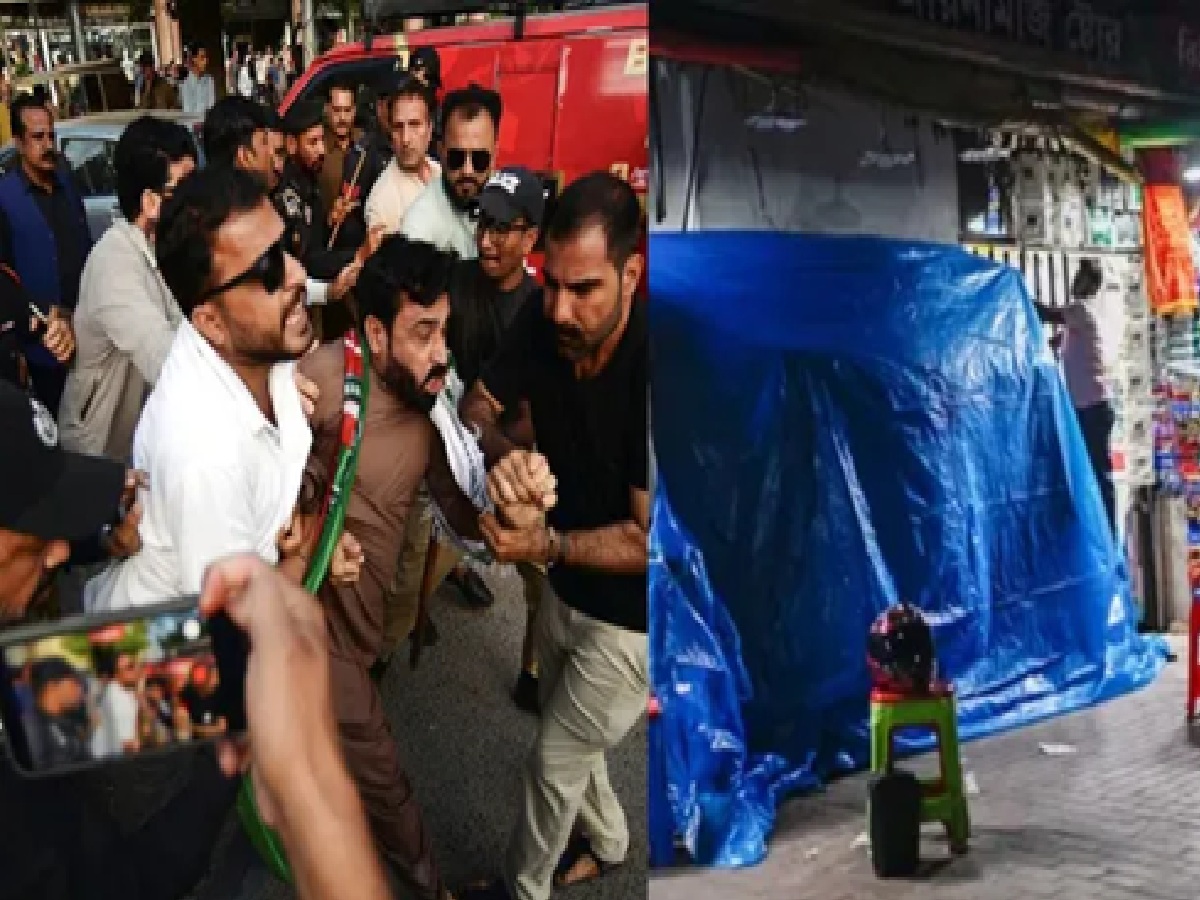
News Topical, Digital Desk : As the war between the United States and Iran escalates and global energy supplies remain disrupted, Sri Lanka, Pakistan, Bangladesh, and Nepal are facing fuel shortages. Several countries, including India, have announced measures to reduce fuel and energy consumption.
India has also been affected by the blockade of the Strait of Hormuz, leading the central government to say it has received requests for assistance from neighboring countries. Speaking to reporters, Foreign Ministry spokesperson Randhir Jaiswal said, "We have received requests for energy exports from some neighboring countries, including a demand for diesel from Bangladesh. The availability and production of diesel in the country will be taken into account before making any decisions."
Pakistan
Despite acting as a mediator between the US and Iran, fuel prices in Pakistan have seen a sharp increase. On Thursday, Petroleum Minister Ali Pervez Malik raised petrol prices by 137.24 Pakistani rupees to 458.4 Pakistani rupees per liter; a 43 percent increase, reports Dawn.
The hike comes at a time when Islamabad buys about 80 percent of its crude oil from the UAE and Oman, where oil prices have reached new highs due to the ongoing conflict in the region. However, following protests in several Pakistani cities, Prime Minister Shahbaz Sharif said that petrol prices in the country will be cut by 80 rupees, bringing them down to 378 Pakistani rupees.
To address the tensions caused by the blockade of the Strait of Hormuz, Pakistan announced a four-day work week for government offices, extended school holidays, and instituted online classes. Furthermore, the government announced free public transportation for the next 30 days.
Bangladesh
Bangladesh imports 95 percent of its oil and gas from West Asia. However, the ongoing conflict between the United States and Iran is forcing Dhaka to reconsider its energy consumption. Bangladesh has reduced office and shop hours to reduce energy consumption. Furthermore, the use of decorative lighting during weddings in the country has been banned until further notice.
Private and government offices in Bangladesh will now operate from 9 a.m. to 4 p.m., while banks will remain open from 9 a.m. to 3 p.m. Shopping centers across the country have been ordered to close at 6 p.m. However, food and beverage stores are expected to remain open as usual.
Additionally, government departments have been told to avoid purchasing vehicles and computers to reduce energy costs. Dhaka has also imposed limits on fuel purchases and halted production at fertilizer factories.
Sri Lanka
Sri Lanka is grappling with an economic crisis and trying to avoid a situation like the one in 2022. Amid the energy crisis, Colombo also received approximately 38,000 tons of fuel from India. President Anura Kumara Dissanayake has rationed fuel, raising its price by a third, and increased electricity tariffs by up to 40 percent.
Additionally, the government has announced restrictions on the use of streetlights, neon signs, and billboards due to the energy crisis. The government has also urged government institutions to reduce air conditioner use, reinstate work-from-home arrangements, and implement a four-day workweek.
Nepal
Nepal has announced that it will reduce its work week from six to five days to address the current energy crisis. Until now, Nepali workers had only one day off a week, Saturday. However, with this decision, the country has reinstated the two-day weekend.
"Given the current difficult fuel supply situation, government and educational institutions will remain closed for two days," government spokesman Sasmit Pokharel said. The order also mandates that government offices operate from 9 a.m. to 5 p.m. Monday through Friday.
Following this order, the Nepal government also said it would review measures to convert petrol and diesel-powered vehicles to electric ones. Amid the crisis and panic buying, Nepal also began selling half-filled gas cylinders last month.
Read More: Oil prices surge after Trump's threat to Iran, reaching $110.60 per barrel
--Advertisement--