desk
desk Share
Share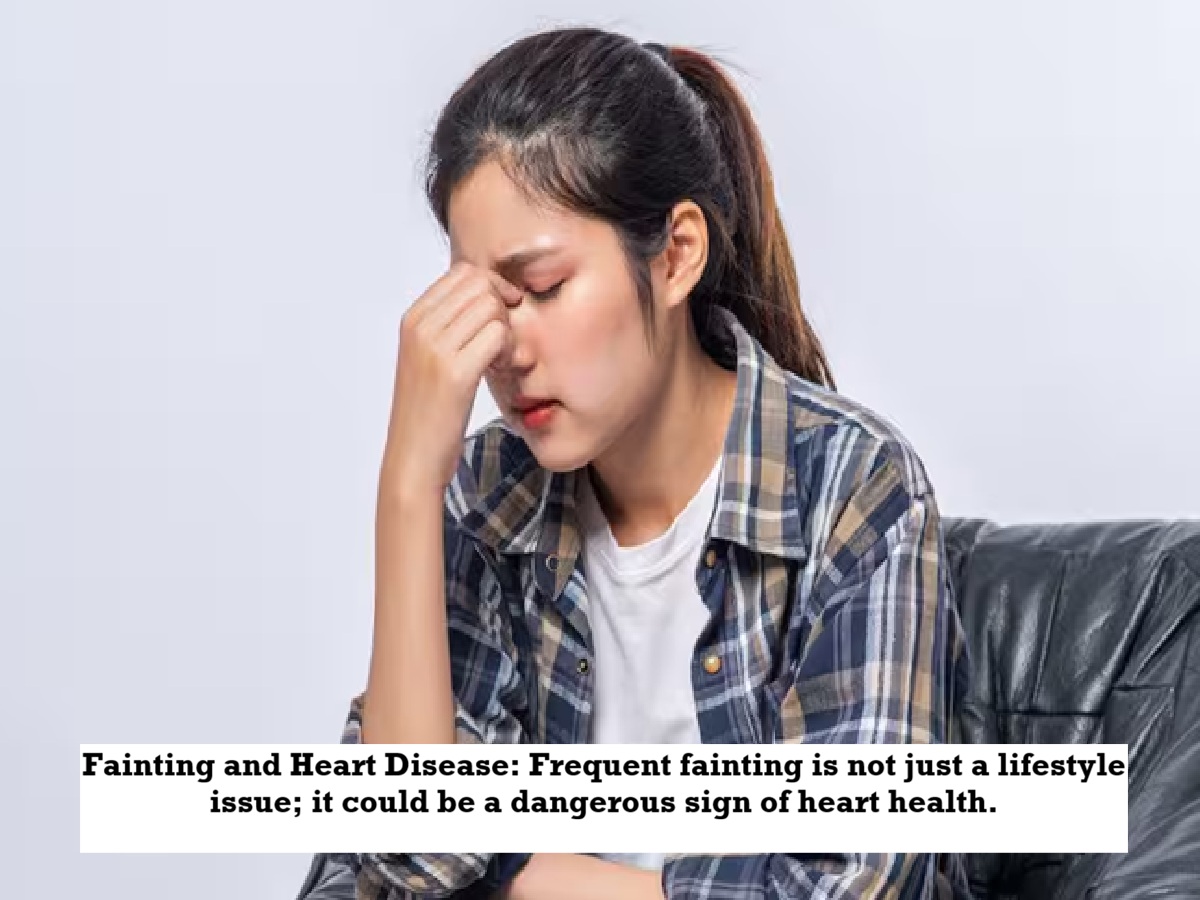
News Topical, Digital Desk : Frequent fainting is considered a common problem, but taking it lightly can sometimes prove dangerous. According to statistics, approximately 15 to 25 percent of the general population experiences fainting at some point in their lives. People often dismiss it as fatigue, dehydration, stress, or skipping meals. However, experts say that in some cases, it can be a sign of serious heart disease
According to Dr Pramod Kumar, cardiologist at Fortis Escorts Hospital, New Delhi, "Fainting can occur in two types of people: those with a completely healthy heart and those with pre-existing heart conditions. People with a weak heart or poor pumping function are particularly at higher risk. Sometimes, it can be the first and only warning sign of arrhythmia, a heart rhythm disorder."
Increases the risk of heart attack
Rapid heartbeats, such as ventricular tachycardia or ventricular fibrillation, or very slow heartbeats, can cause the heart to stop beating for a few seconds. This can suddenly reduce blood flow to the brain and cause a person to faint. Furthermore, a sudden drop in blood pressure upon standing is a common cause of fainting.
When does the problem increase?
Doctors say the problem worsens when fainting is mistaken for epilepsy or a fit. In such cases, patients undergo unnecessary tests and treatments, even though the real cause may be heart-related. Experts say that some types of fainting, if treated promptly and appropriately, have good long-term outcomes, but in some cases, failure to recognize them early can be life-threatening.
In these cases, you should immediately consult a doctor.
Cardiologists say that frequent or unexplained fainting spells are a red flag. Especially if it occurs while exercising, lying down, or without warning, immediate evaluation is necessary. If it's accompanied by chest pain, rapid heartbeat, shortness of breath, or a history of sudden death in the family, the risk increases further. According to doctors, "Syncope is not a disease, but a symptom. The real question is why blood flow to the brain suddenly decreased." Patients often attribute this to a lifestyle-related problem, preventing timely diagnosis.
The good news is that many serious heart conditions can be detected early. A simple ECG, heart monitoring, or echo test can help determine whether the cause of fainting is minor or potentially life-threatening.
--Advertisement--