desk
desk Share
Share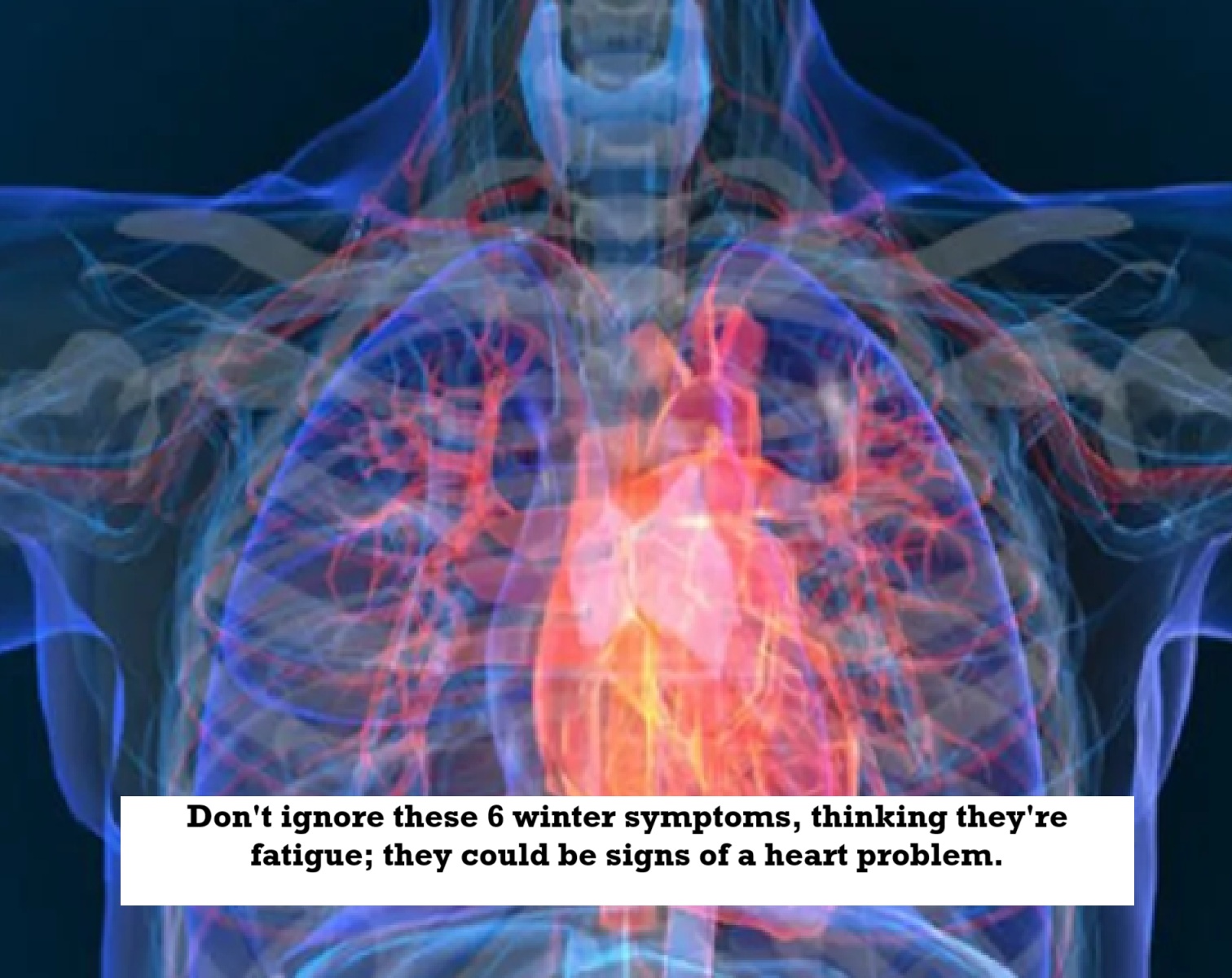
News Topical, Digital Desk : The cool winter breeze may bring relief to your face, but this season often holds hidden dangers for your heart. As temperatures drop, the body's blood vessels constrict, blood pressure rises, and the heart has to work harder than normal.
Unusual discomfort or heaviness in the chest
Chest pain isn't always sharp or sudden. Many people describe it as a feeling of heaviness, burning, pressure, or tightness. These symptoms may be more pronounced in winter due to decreased oxygen supply and increased blood pressure. If you experience chest discomfort while walking or climbing stairs in the cold and it improves with rest, don't take it lightly.
Difficulty in breathing
A little shortness of breath while climbing stairs or walking briskly is normal, but if it's a new problem, is constantly increasing, or feels excessive, it could be a sign of increased strain on the heart. Cold arteries constrict, forcing the heart to exert more force for pumping. This symptom is often ignored, mistaking it for allergies or asthma. However, heart-related shortness of breath increases suddenly and is more noticeable after brisk walking, eating, or lying down.
Sudden fatigue or weakness
It's normal to feel a little lethargic in winter, but if even small activities tire you out, it could be a warning sign. This feeling of weakness occurs when the body isn't getting enough blood. People often mistake it for stress or lack of sleep, but it could also be an early sign of heart failure. Sudden fatigue, especially in the cold, is especially important to pay attention to.
Swelling of the feet or ankles
When the heart is unable to pump at full capacity, fluid begins to accumulate in the body . Drinking less water and being less active in winter can further exacerbate this swelling. Shoes feeling tight, sock marks deepening, or puffiness around the ankles can all be signs of a heart problem.
Irregular heartbeat
Some people feel their heart beating too fast or skipping beats. Cold temperatures can trigger irregular heartbeats in people who already have heart disease, thyroid problems, or electrolyte imbalances. Caffeine, stress, and some winter medications (such as decongestants) can worsen them. If your heartbeat feels abnormal even while you're resting, get it checked.
dizziness or lightheadedness
Dizziness in winter is often caused by dehydration , but it can also be a sign of reduced blood supply to the brain. This may be related to blocked arteries, weak heart pumping, or heart rhythm disturbances. If this symptom occurs repeatedly or is accompanied by sweating or chest discomfort, do not ignore it.
The strain on the heart naturally increases during winter, so it's crucial to pay attention to these signs. Recognizing these symptoms early can help maintain good heart health and prevent serious complications.
--Advertisement--