desk
desk Share
Share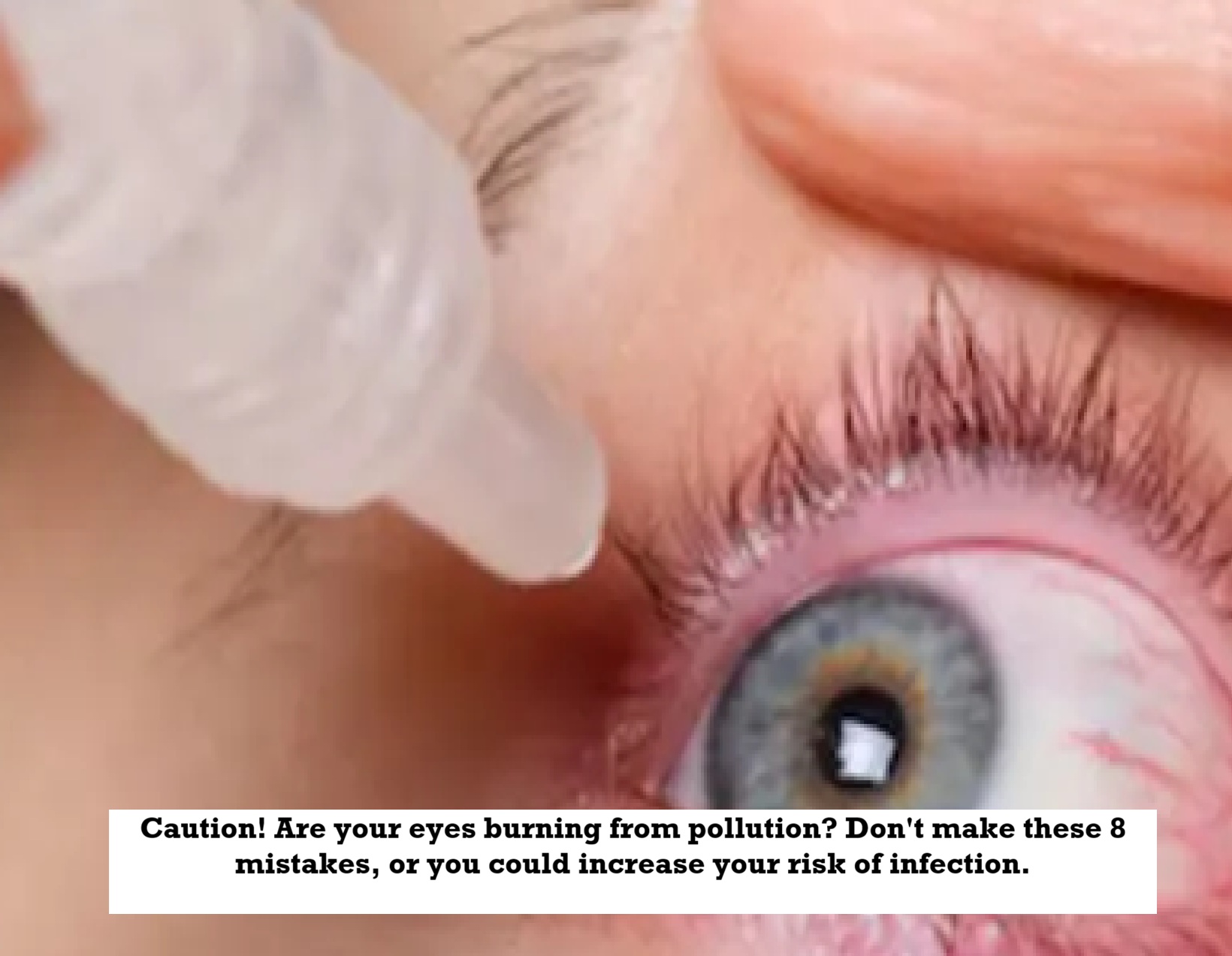
News Topical, Digital Desk : With rising pollution levels, eye irritation, redness, itching, and watering have become common. These symptoms are caused by direct exposure to airborne dust, PM 2.5, smoke particles, and harmful chemicals. In such a situation, certain mistakes (Mistakes to Prevent Eye Damage) can worsen eye discomfort, delaying recovery or increasing the risk of serious infection.
Do not rub your eyes
It's natural to rub your eyes when they're irritated or itchy, but this can be a very harmful habit. Rubbing can cause micro-scratches on the eye's surface, pushing pollution particles deeper into the eye, and increasing redness. It also poses the risk of damaging the cornea.
Do not use eye drops without advice.
Many over-the-counter redness-relieving drops provide temporary relief, but the chemicals they contain can cause long-term harm. Steroid drops should never be taken without a prescription, as they can lead to problems like glaucoma or cataracts. Only doctor-prescribed lubricating (artificial tear) drops are safe for pollution-related irritation.
Do not rely on home remedies
Rose water, cucumber slices, or cold milk can be used topically, but applying any herbal or homemade liquid directly to the eyes can be dangerous. Lemon juice, aloe vera gel, or other mixtures can cause infection and disrupt the eye's pH level.
Do not continuously increase screen time
When eyes are already burning, staring at a computer, mobile phone, or TV screen can worsen the condition. Screen time slows down blinking, further drying the eyes. Take breaks and follow the 20-20-20 rule (look 20 feet away for 20 seconds every 20 minutes).
Don't ignore the symptoms
If symptoms like burning, redness, twitching, or blurred vision persist for more than 24 hours, or if the eyes begin to water or ooze pus, consult an eye specialist immediately. This could be a sign of bacterial or viral conjunctivitis , not just pollution.
Do not go out in pollution without protection
When air quality is poor, wear sunglasses or anti-pollution protective eyewear when you're outdoors. Glasses will not only block pollution particles from entering your eyes, but also reduce dryness caused by direct air contact.
Avoid wearing contact lenses
Wearing contact lenses while your eyes are irritated can worsen the problem. Pollution particles can accumulate on the lenses and cause further damage. Wear glasses until your eyes are completely healed.
not cleaning the eyes properly
After coming in from outside, be sure to clean the skin around your eyes with a mild cleanser and clean water. But avoid exposing your eyes to strong jets of water or direct contact with soap.
--Advertisement--