desk
desk Share
Share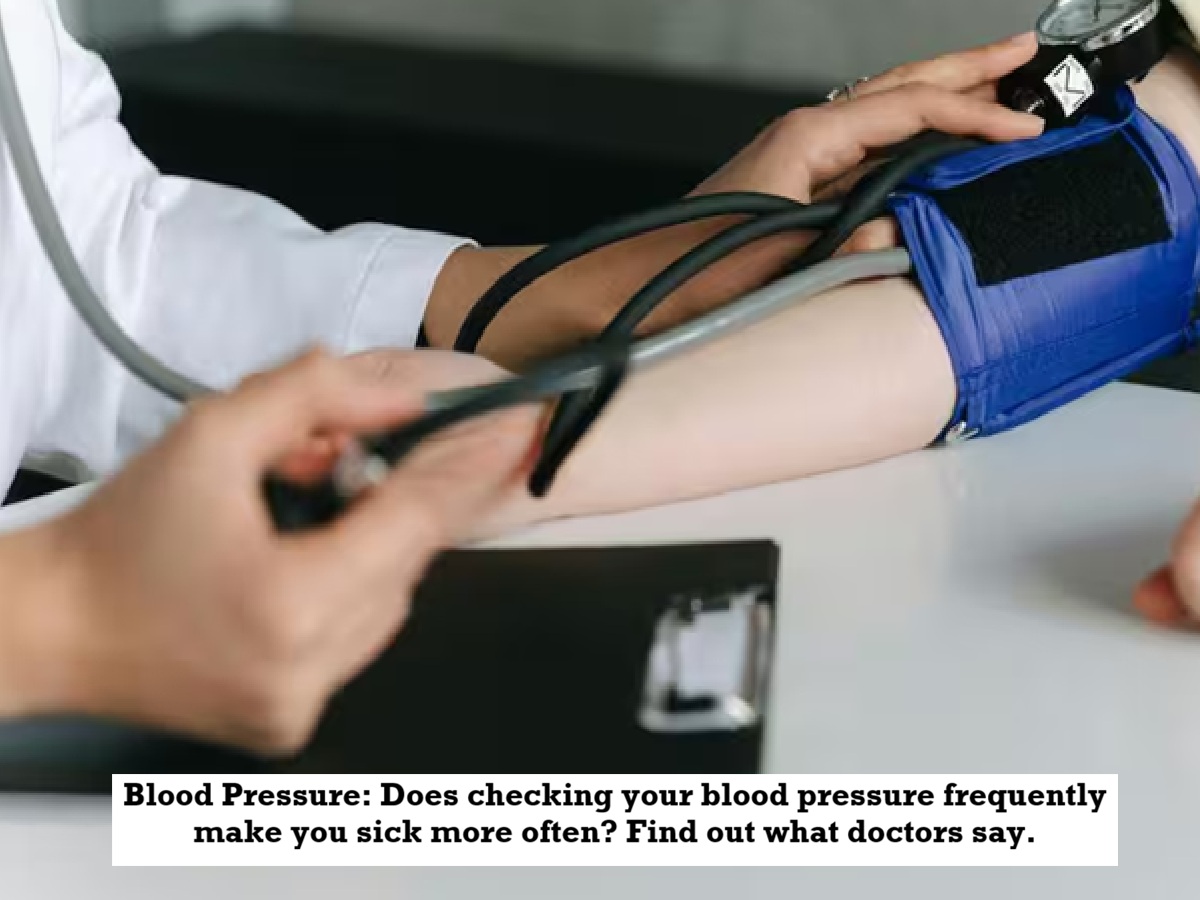
News Topical, Digital Desk : Is It Bad To Check Blood Pressure Frequently? Many people keep checking their blood pressure frequently, but the question is how often is it okay to check it and when can this habit be harmful. This same question recently came up on Quora as well: Is it wrong to check blood pressure frequently? Dr. Amit Saraf, Director of Internal Medicine at Jubiter Hospital, Thane, spoke to The Indian Express about this. He said that measuring blood pressure regularly is not harmful in itself, but how and why it is done matters more. For some people, frequent measurement provides comfort and helps manage the disease, while for others, this habit increases anxiety, which can also lead to temporarily higher readings.
When is it not beneficial?
According to the doctor, the problem begins when people start measuring their blood pressure multiple times a day without consulting a doctor. It's not beneficial to immediately take out the machine for every stressful situation, after every meal, or at the slightest symptom. Doing so can lead to measurement anxiety, which is when the stress surrounding the reading increases so much that the blood pressure appears temporarily elevated. This doesn't necessarily mean that the person's actual blood pressure is high; sometimes it's simply the result of mental stress.
Home blood pressure monitoring is considered most useful for people who already have high blood pressure, who are taking blood pressure medications, especially if their dosage has recently been changed, or who have diabetes, kidney disease, or heart problems. However, for people who do not have high blood pressure and are generally healthy, daily blood pressure checks are not necessary.
When should blood pressure be measured?
Regarding the appropriate frequency of testing, doctors say that for most high blood pressure patients, measuring blood pressure once in the morning and evening for a few days, as advised by their doctor, is sufficient. In the long run, taking readings a few times a week or before a doctor's appointment is considered sufficient. Additionally, if you experience persistent headaches, dizziness, chest heaviness, unusual fatigue, or a rapid heartbeat, checking your blood pressure at that time can be helpful. This helps your doctor understand how the readings relate to the patient's current condition.
What things should be taken care of?
When measuring blood pressure at home, it's crucial to ensure accuracy. Sit quietly for at least five minutes before measuring. It's best to avoid caffeine, smoking, or exercise half an hour before testing. Keep your arm supported at heart level and use a reliable digital blood pressure machine. For best results, it's best to take two readings and note their average. Doctors say that careful blood pressure monitoring helps doctors make informed decisions, but excessive and unnecessary monitoring can only increase confusion and stress. The goal should be awareness, not panic.
Read More: Heart Fights Cancer: A beating heart means it's fighting cancer, a new study raises hope
--Advertisement--