desk
desk Share
Share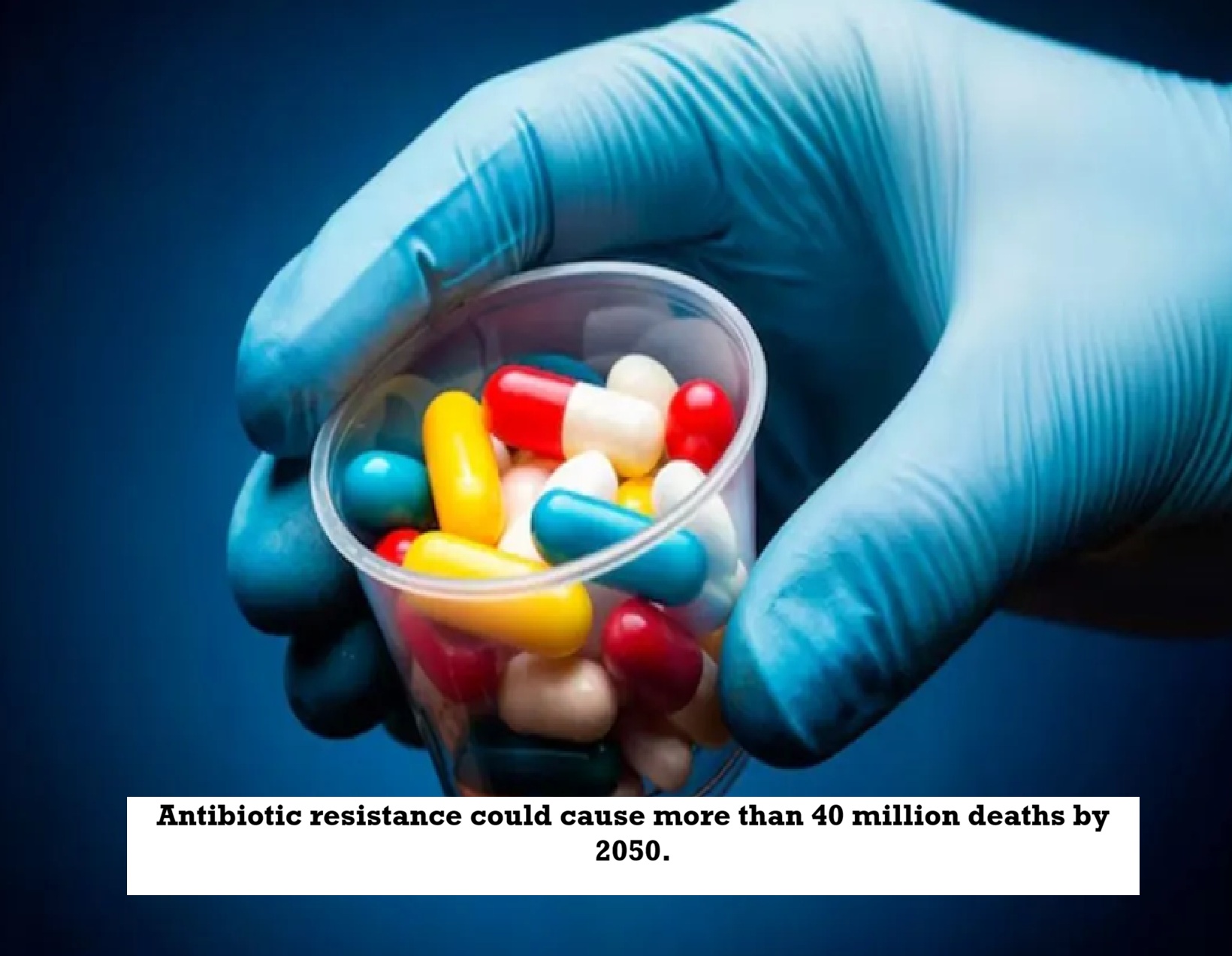
News Topical, Digital Desk : Antimicrobial (antibiotic, antiviral, antifungal) drugs are the cornerstone of modern medicine. They have been used to treat many life-threatening diseases, but now these drugs are proving ineffective even for common infections.
At the same time, serious illnesses like pneumonia or UTI (urinary tract infection) are becoming impossible to treat with these drugs. Concerns about these drugs are growing worldwide. In a recent "Mann Ki Baat" program, Prime Minister Narendra Modi expressed concern about the misuse of these drugs and urged people to be especially vigilant.
The ICMR report even states that antimicrobial resistance is not a future threat, but rather, people are increasingly falling prey to it. It causes more than 1.2 million deaths worldwide each year. Overall, AMR has begun to undo all the achievements of modern medicine. It is causing complications not only in infections but also in surgeries, caesareans, and cancer chemotherapy. Its economic burden, in the words of the World Bank, is expected to add an additional $1 trillion to healthcare by 2050, and the global economy could suffer significant losses every year by 2030.
Why is this a worrying situation?
Antimicrobial resistance is defined as the loss of drug efficacy on germs. This can make even common infections difficult to treat. Individuals affected by AMR are at risk for repeated infections, weakened immune systems, and frequent hospitalizations. Excessive, and often unnecessary, use of antimicrobial drugs can lead to germs becoming more capable of resisting the effects of the drugs. These resistant agents eventually become known as superbugs.
- Resistant germs caused over 1 million deaths worldwide in 2021, according to the JAMA network.
- Antimicrobial resistance could cause more than 40 million deaths by 2050.
- The highest mortality rate (29%) is due to the bacteria Pseudomonas baumannii, which causes pneumonia, bloodstream infections, and urinary tract infections.
- 2.6 lakh deaths occurred in India in 2021 due to various infections, in which AMR had a direct impact.
- In 1990, most AMR-related deaths occurred among children under five years of age, but in 2021, the number of such deaths was higher among people over 70 years of age.
- A 2015 study of 10 hospitals found that the risk of death from AMR was twice that of a common infection. This risk has now increased to three times.
The need to understand the seriousness
People with weak immunity (cancer, organ transplant, HIV or continuous use of medicines), newborns, people above 65 years of age and those suffering from diabetes, kidney or lung problems are most at risk of AMR. This problem is also aggravated by prolonged use of antibiotics and hospital stay. AMR can also be caused by inadequate hand hygiene, unhygienic conditions in hospitals, crowding, contaminated food or drinking water and visiting infected areas. As a silent epidemic, this problem is going to engulf a large population.
Why are side effects a concern?
In case of antibiotic resistance, many problems can arise in case of resistance to many antibiotics, such as-
- AMR requires second- and third-line treatments, which can cause long-term treatment and can lead to side effects, such as organ damage.
- There is currently a complete dependence on antibiotics for the treatment of infections, such as those required for joint replacement, organ transplantation, cancer therapy and many chronic diseases.
- In many cases, antimicrobial resistance leaves no treatment options.
- If an antibiotic loses its effectiveness completely, it could pose a serious public health challenge.
5 things you need to know
- AMR can affect people of any age. Such patients require prolonged hospitalization and follow-up visits. Treatment can be quite expensive.
- Healthy habits will protect you from getting infected and will also reduce the spread of germs.
- Antibiotics should only be taken on the advice of a doctor. Antibiotics are not necessary for colds, flu, and viral fevers. Antibiotics save lives, but their side effects can be fatal.
- AMR is found in every part of the world, so you should share information with your doctor about traveling outside the country or seeking treatment.
- If there is problem of diarrhea three to four times while taking medicines, then it should be informed to the doctor.
Dr. Vikram Singh (CMS and HOD, General Medicine, Lohia Institute of Medical Sciences, Lucknow) explains that AMR is a public health crisis. Antibiotic resistance has become a serious public health problem in India and around the world. A major reason for this is the prescribing of antibiotics without adequate testing at primary health centers and community health centers.
The use of antibiotics for viral infections such as colds, coughs, and fevers is a serious mistake, as antibiotics are ineffective in these cases. The prolonged use of broad-spectrum antibiotics without regular review during the treatment of critical patients in the ICU also exacerbates the problem. People take medications without medical advice and often do not complete the full course. All these factors are leading to the rise of resistant infections, leading to increased mortality and treatment costs.
According to the Indian Council of Medical Research (ICMR), many antibiotics used for common infections in India are no longer effective. Similarly, a WHO report indicates that one in three bacterial infections in India and Southeast Asia has become antibiotic-resistant. Resistance to third-generation cephalosporins, fluoroquinolones, and other major antibiotics is steadily increasing in India among common pathogens such as E. coli, Klebsiella, and Staphylococcus aureus.
If this situation is not controlled in time, even minor infections can become incurable, surgeries and cancer treatments will become risky, and mortality rates among infants, the elderly, and critically ill patients will increase significantly. Therefore, rational antibiotic use is crucial. The right patient should be given the right medication, the right dose, and for the right duration. Avoiding antibiotics for viral infections, strict control of over-the-counter sales, laboratory-based treatment, effective implementation of antimicrobial stewardship programs, and widespread public awareness are the only effective ways to address this serious public health crisis.
Read More: Is your child ready for school? Learn from a counselor the 40-day formula for building confidence.
--Advertisement--