desk
desk Share
Share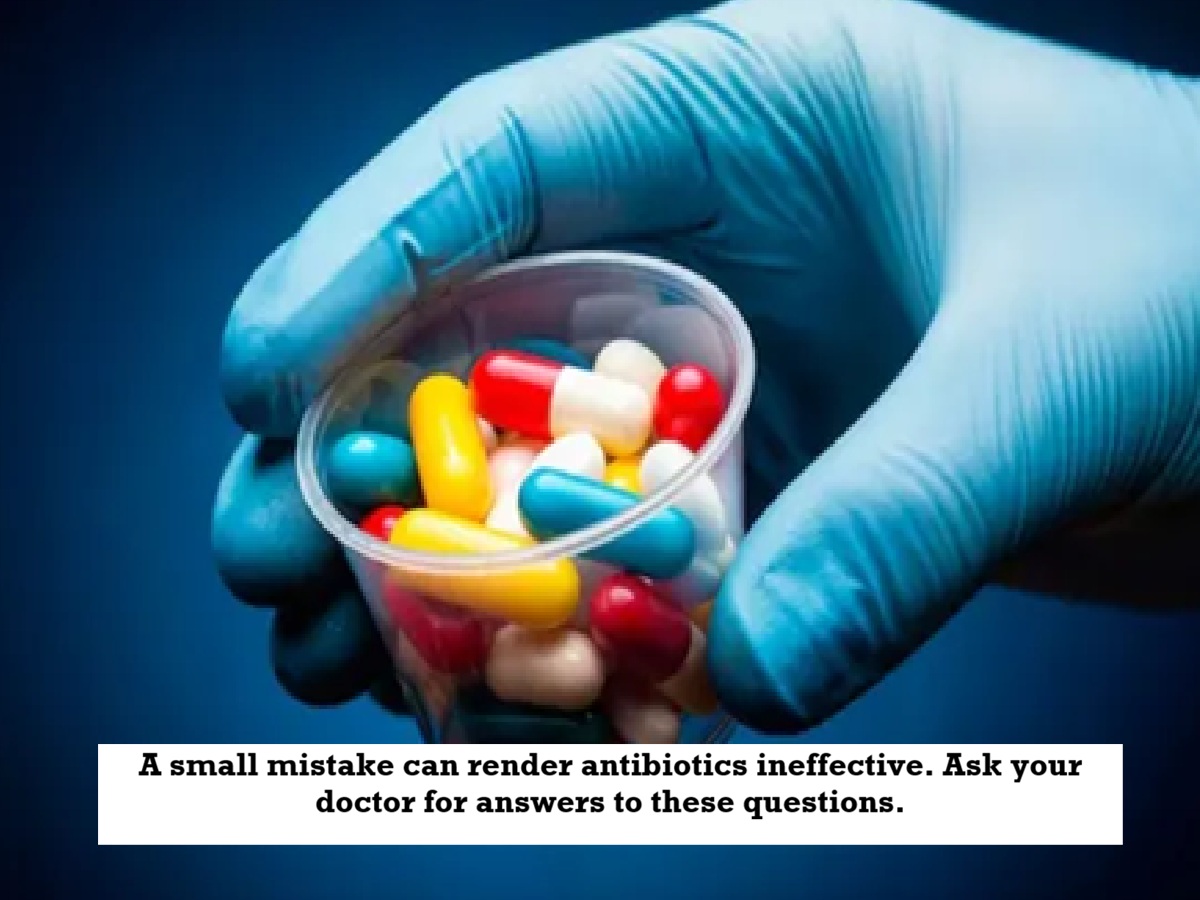
News Topical, Digital Desk : Medical science has made tremendous progress today, but an invisible threat is knocking at our door: antibiotic resistance. Antibiotics are drugs used to treat serious diseases like pneumonia and tuberculosis, but their indiscriminate and misuse has made bacteria even more powerful.
When we take antibiotics unnecessarily or incorrectly, the bacteria in our body learn to fight these drugs. This is called resistance. If this continues, even a minor scratch or infection could prove fatal in the future, as the drugs will no longer work.
Frequently Asked Questions (FAQs)
Why is it important to consult a doctor before taking antibiotics?
- Answer: Not every infection requires antibiotics. Doctors assess whether the illness is caused by bacteria or a virus and then determine the appropriate medication, dosage, and duration. Taking medication without a doctor's advice can cause side effects, delay proper treatment, and increase the risk of resistance .
Are antibiotics effective for cough and cold or flu?
- Answer: No. Coughs, colds, and flu are often caused by viruses. Antibiotics only work against bacteria. Taking them for viral infections is not beneficial; instead, they can cause harm and lead to resistance.
Is it okay to take antibiotics even for a simple fever for 'quick effect'?
- Answer : No. Mild fevers are often caused by viral infections or a normal body reaction. Antibiotics do not reduce fevers unless bacteria are present. Unnecessary use of antibiotics can worsen your health rather than speed recovery.
If a family member has the same symptoms as me, can I give them my antibiotics?
- Answer: Absolutely not. Similar symptoms do not necessarily mean the same infection. Medications and dosages vary depending on age, weight, and medical history. Taking other medications is unsafe and can lead to resistance.
Is it necessary to complete the course of antibiotics even if you feel well?
- Answer: Stopping the medication mid-course can allow some bacteria to survive in the body. These remaining bacteria can mutate and become resistant to the medication. Completing the course eliminates the infection completely.
What should be done if a dose of antibiotic is missed?
- Answer: Take the missed dose as soon as you remember. However, if it's near the time for your next dose, skip it and take the next dose at the correct time. Never take two doses at the same time.
Can I buy antibiotics on the advice of a pharmacist?
- Answer: No. A pharmacist can dispense medication, but they cannot accurately diagnose the condition. Antibiotics should only be taken on a doctor's prescription to avoid misdiagnosis.
Is it safe to take antibiotics during pregnancy or breastfeeding?
- Answer: Some antibiotics are safe, while others are potentially harmful. Only a doctor can determine which medications are safe during pregnancy or breastfeeding. Never self-medicate in this situation.
What exactly is antibiotic resistance?
- Answer: When antibiotics are used incorrectly or excessively, bacteria adapt to the drug. They develop the ability to neutralize the drug's effects, making it ineffective the next time the same drug is used. This is called antibiotic resistance.
If bacteria become resistant, what will happen in the future?
- Answer: Treating infections will become impossible or extremely difficult. Even common illnesses will require more expensive and powerful drugs with more side effects. Even simple infections could become epidemics in the future.
Why should I be afraid of superbugs?
- Answer: Superbugs are bacteria that are resistant to many antibiotics . Their infections are extremely difficult to treat and spread easily. They pose a serious risk of increased mortality.
--Advertisement--