desk
desk Share
Share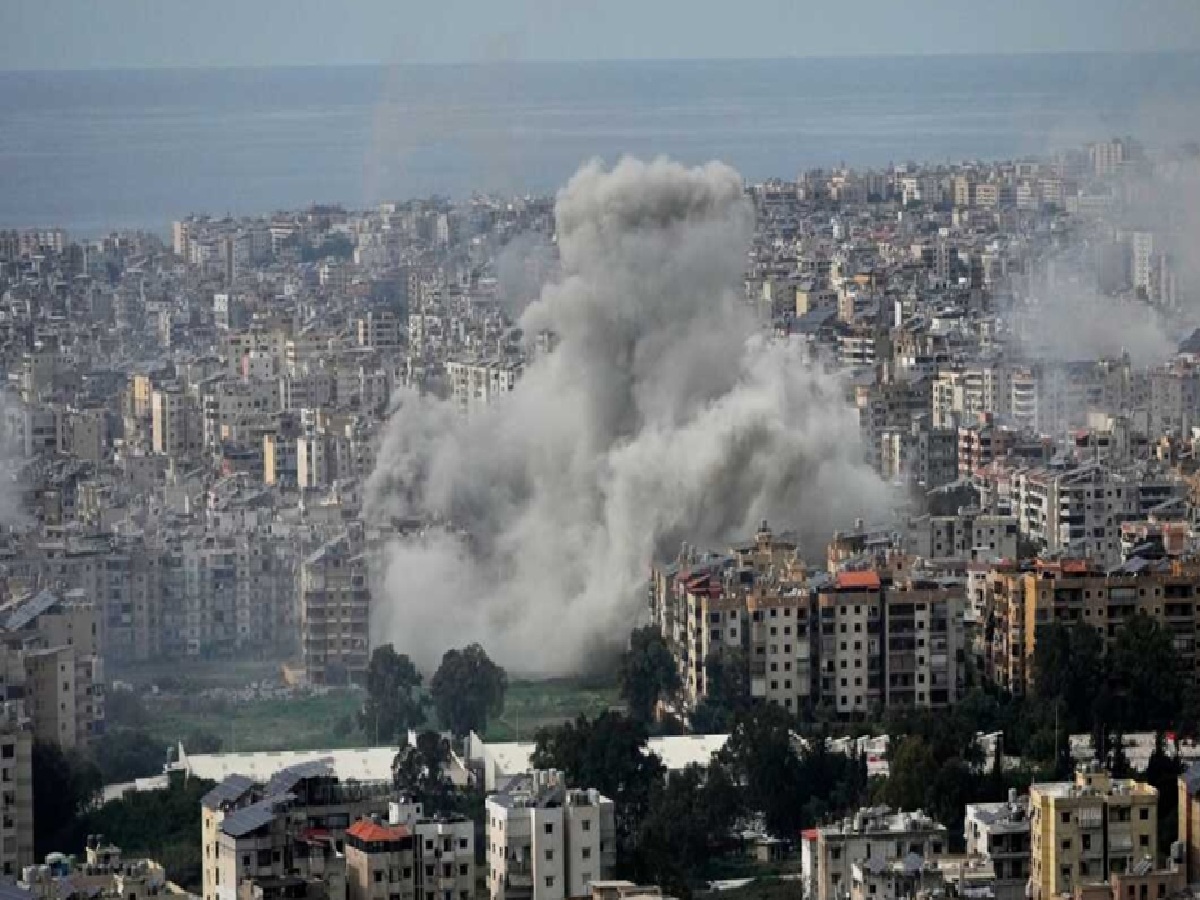
News Topical, Digital Desk : Amid the long-simmering US-Iran tensions in West Asia, news of significant relief has emerged. The two countries have agreed to a two-week ceasefire, which is expected to halt attacks for the time being. This agreement paves the way for the Strait of Hormuz to reopen and further negotiations to begin. However, the situation on the ground has not yet fully returned to normal.
US President Donald Trump has announced that the United States and Iran, along with their allies, have agreed to a two-week ceasefire effective immediately. The decision is expected to bring a temporary halt to American and Israeli attacks.
Iran's Foreign Minister Abbas Araghchi also confirmed his acceptance of the ceasefire, stating that it would allow safe passage of ships through the Strait of Hormuz, which would be coordinated with the Iranian military.
Pakistan also played a role in this agreement. Pakistan's Prime Minister Shahbaz Sharif stated that this ceasefire is not limited to Iran and the United States, but will also apply to other areas, including Lebanon.
Further talks will be held in Islamabad
The ceasefire has now opened the door for dialogue between the two countries. Talks between the two sides are expected to begin on April 10 in Pakistan's capital, Islamabad.
Shahbaz Sharif said these talks were crucial for lasting peace and thanked the leaders of both countries. He expressed hope that the Islamabad talks could lead to a concrete solution.
Preparations for these talks have also begun on the US side. According to reports, several senior US leaders and officials may attend the meeting. However, the White House has clarified that the final decision will be made at the presidential level.
Tension continues despite ceasefire
Although a ceasefire has been reached on paper, the situation on the ground remains far from calm. Missile alerts remain in place in the Gulf countries and Israel. Air defense systems remain active in countries like the United Arab Emirates, Saudi Arabia, Kuwait, and Bahrain. This clearly indicates that the threat in the region has not yet passed, and the situation remains extremely fragile.
The attacks between Israel and Iran have not completely stopped. Reports of continued retaliation from both sides have emerged, suggesting that a ceasefire may take time to fully implement.
The Strait of Hormuz became the biggest issue
The Strait of Hormuz has been a major focus of this conflict. It is the route through which oil and gas are supplied to much of the world. Iran has tightened its control over this waterway, impacting the global economy.
This pressure led the US and its allies to agree to a ceasefire. As part of this ceasefire, they agreed to open the Strait for two weeks. However, whether this will remain fully open or under limited control remains unclear.
Economic impact and international pressure
Global markets saw positive sentiment following the ceasefire announcement. US oil prices fell by more than 17 percent, while stock markets in Japan and South Korea rose.
Experts believe that the growing economic pressures caused by the war forced the US to withdraw. Trump had previously issued a tough ultimatum to Iran, but relented at the last minute. Many countries around the world have welcomed the ceasefire. Countries like Egypt and Australia have called it an important step toward peace and have urged the need to move forward with negotiations.
What is the way forward?
Despite the ceasefire, several major issues remain unresolved. Iran has set certain conditions, including the withdrawal of US troops, the lifting of sanctions, and the return of its stranded resources. Controversy also persists over Iran's nuclear program, which has been a major factor in the conflict. The US and Israel have been demanding the dismantling of this program.
Although both countries have agreed to dialogue, it remains to be seen whether the talks in Islamabad will yield any concrete solutions. For now, this ceasefire offers a temporary respite, but lasting peace remains elusive.
Read More: 'This is not the end of the war', Mojtaba still refuses to budge despite ceasefire; warns Trump.
--Advertisement--