desk
desk Share
Share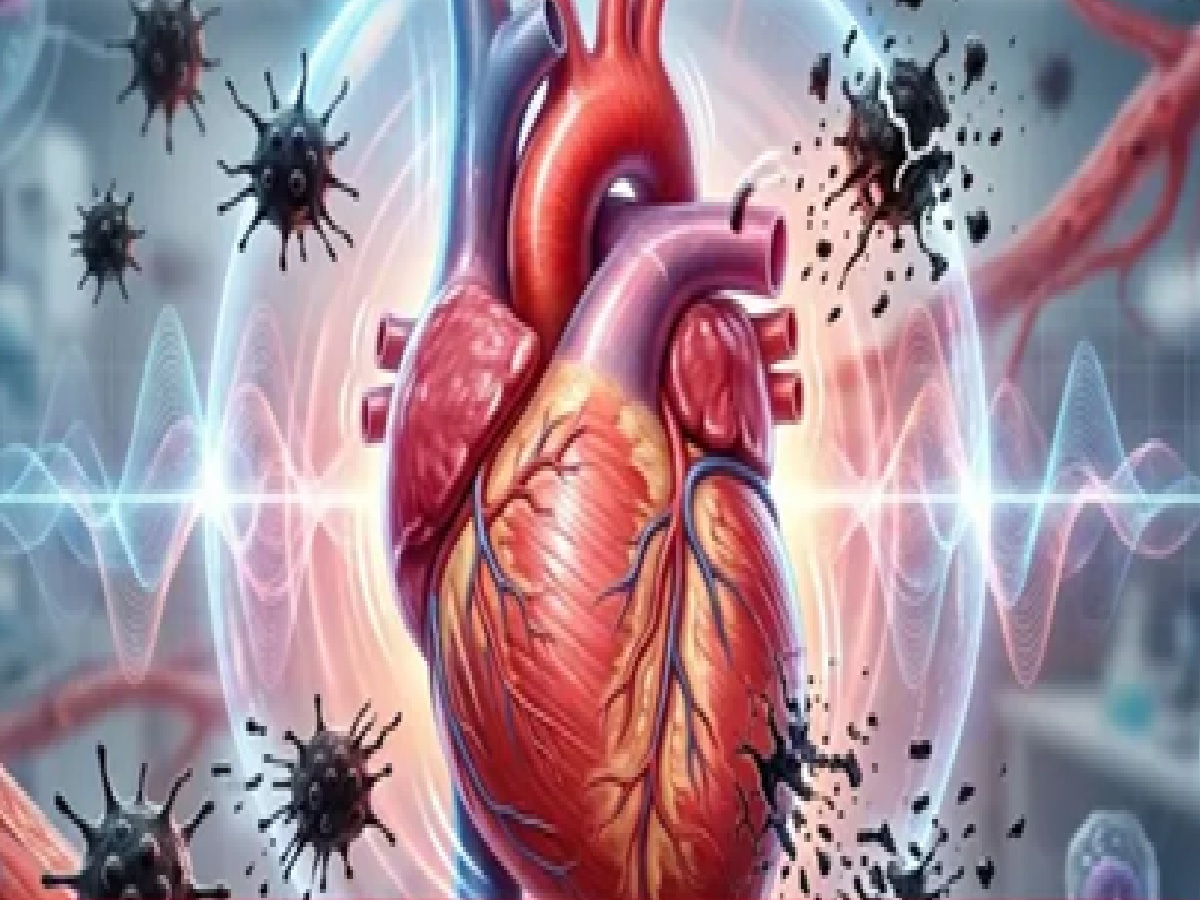
News Topical, Digital Desk : Have you ever wondered why heart cancer is so rare, despite the many cancers reported worldwide? It's considered extremely rare in medical science.
Recent research has revealed this mystery. According to the research, the continuous beating of our hearts protects us from deadly diseases like cancer. The mechanical load created by this continuous beating of the heart prevents cancer cells from growing.
heavy pressure on the heart
In fact, our hearts constantly have to pump blood throughout the body under tremendous pressure and resistance. This demanding task places extremely intense mechanical stress on heart tissues. This is why the adult human heart has a very limited capacity to renew itself. Barely one percent of heart cells are able to renew themselves in a year. This constant stress on the heart not only limits the growth of normal cells, but this pressure also completely suppresses the growth of cancer cells .
How does the growth of cancer cells stop?
Explaining this process in more detail, the scientists demonstrated that cellular pathways in heart tissue alter the gene regulation of cancer cells. Simply put, this pulsating pressure blocks the very mechanisms that drive cancer cells to grow. However, the mechanisms behind this resistance are not yet fully understood.
Special experiments were conducted on rats
To understand this in more detail, researchers conducted a unique study on mice. They developed a transplant model that could reduce this mechanical load on the heart. The results were clear. The study found that as long as the mechanical load on the heart remained, it consistently suppressed the growth of various types of cancer .
A new hope for a new cancer treatment
This important finding not only sheds light on how our hearts are protected from cancer, but also offers great hope for medical science. This research could pave the way for new and effective cancer therapies based on mechanical stimulation.
--Advertisement--